History Museums in Copenhagen: Vikings, Kings and Everyday Life
A local guide to the best history museums in Copenhagen for 2026: the Viking halls at the National Museum, Krigsmuseet, the royal palaces and everyday-life collections, with prices and hours.
 By Anders Nielsen, Copenhagen Museums Specialist & Cultural Guide
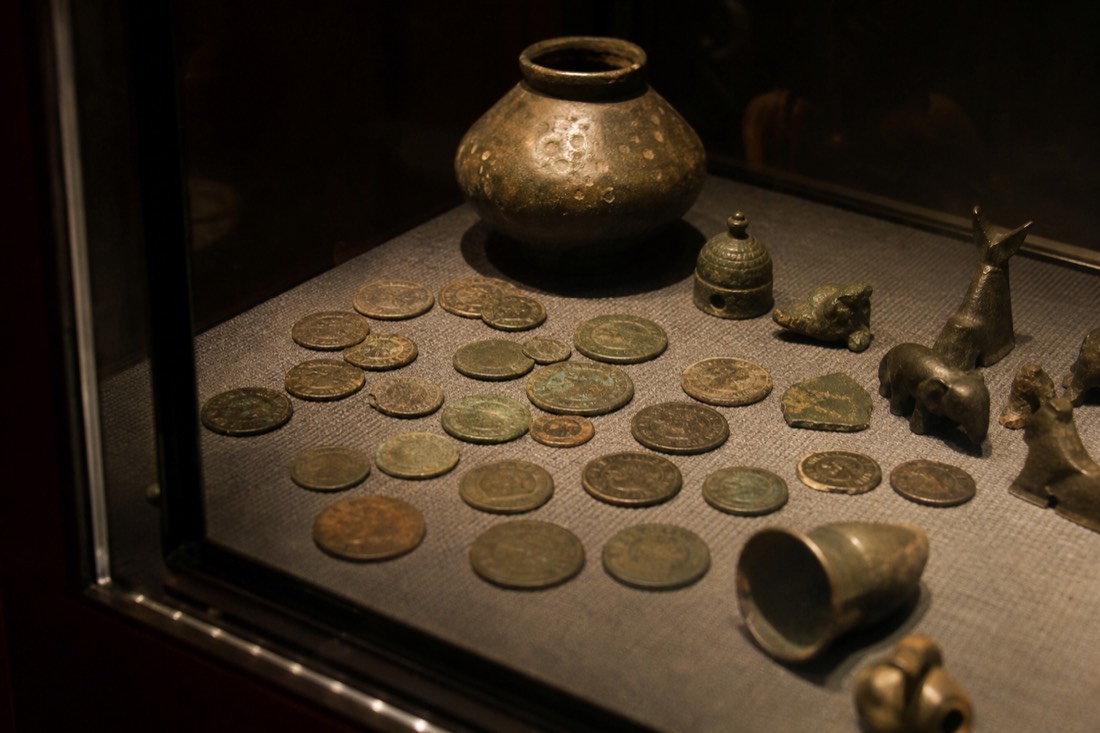
The runestone stands just inside the Viking gallery at the National Museum, waist-high and worn, its carved snake-band still legible after a thousand years. People slow down in front of it without being told to. Around the room sit the real things: iron swords pulled from bogs, silver arm-rings buried against raids, the small everyday objects that make the Vikings less legend and more neighbours who happened to live here first. That single hall is the reason many visitors come to Copenhagen for its history at all.
Denmark keeps its past unusually close. You can stand in the medieval ruins under a working parliament, climb a Renaissance castle a Danish king built to guard the sound, and walk a preserved worker's flat kept exactly as a family left it. I take history-minded visitors through these places most weeks, and what follows is my honest running order, with the Viking material front and centre, the 2026 prices, opening days, and which sites earn a train ride out of the city.
What are the best history museums in Copenhagen?
The core history museums are the National Museum of Denmark for prehistory and the Vikings, Krigsmuseet for five centuries of military history, and the royal trio of Rosenborg, Christiansborg and Amalienborg for the monarchy. Add Arbejdermuseet for working-class life and the day-trip castles at Helsingor and Hillerod, and you have Danish history from the Bronze Age to the 20th century.
History in Copenhagen splits neatly by theme. The National Museum carries the deep past, from Stone Age flint to the Vikings to the wider ethnographic world, and it is the one unmissable stop. The royal palaces then pick up the story of power: Rosenborg for the 1600s and the crown jewels, Christiansborg for the seat of government, Amalienborg for the family that still reigns. Krigsmuseet handles the wars, and the Workers Museum handles everyone the palaces leave out.
The table below sorts them by the era or theme each one does best, so you can pick by interest rather than by fame. Under-18s enter free at all of them, and the six royal and national sites are on the Copenhagen Card, which makes stringing several together far cheaper.
| Museum | Era or theme | 2026 adult | On the Copenhagen Card? |
|---|---|---|---|
| National Museum | Prehistory, Vikings, ethnography | 150 DKK | Yes |
| Krigsmuseet (War Museum) | 500 years of military history | 130 DKK | Check the current list |
| Rosenborg Castle | 1600s royal, crown jewels | 150 / 140 online | Yes |
| Christiansborg Palace | Seat of power, medieval ruins | 225 / 215 online | Yes |
| Amalienborg | The monarchy since 1794 | 135 / 125 online | Yes |
| Kronborg (Helsingor) | Renaissance fortress, UNESCO | 150 DKK | Yes |
| Frederiksborg (Hillerod) | National history, royal portraits | 125 DKK | Yes |
| Arbejdermuseet | Working-class life since the 1800s | 135 DKK | Check the current list |
Where can you see Viking history in Copenhagen?
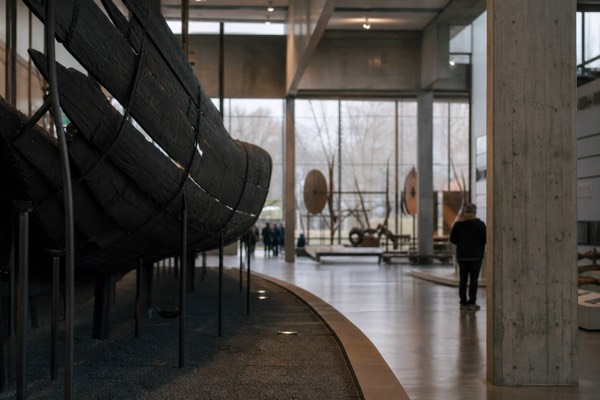
The National Museum of Denmark holds the city's great Viking collection: real swords, runestones, silver hoards and the tools of daily life, laid out to show the Vikings as traders and farmers as much as raiders. It is the essential stop for Viking history, open daily through the main season, with adult entry at 150 DKK and under-18s free.
If the Vikings are why you came, the National Museum is where you go. The prehistory floor builds up to them properly, through the Bronze Age and the famous gilded Sun Chariot, before the Viking galleries themselves. What sets the display apart is that it resists the horned-helmet cliche. You see the runestones and the weaponry, yes, but also the everyday objects, combs, keys, silver coins from as far as the Middle East, that show a society trading across half the known world.
For deeper Viking sites you eventually leave the city, to the ship museum at Roskilde or the ring fortresses, but for a single strong hit within Copenhagen this is it. The museum is also the reliable Monday option in the main season, when many others close. Check current hours and any gallery changes on the official National Museum page, and for the wider Viking question the blog on Viking museums in Copenhagen covers what is and is not in the city.
Is Krigsmuseet, the Danish War Museum, worth visiting?
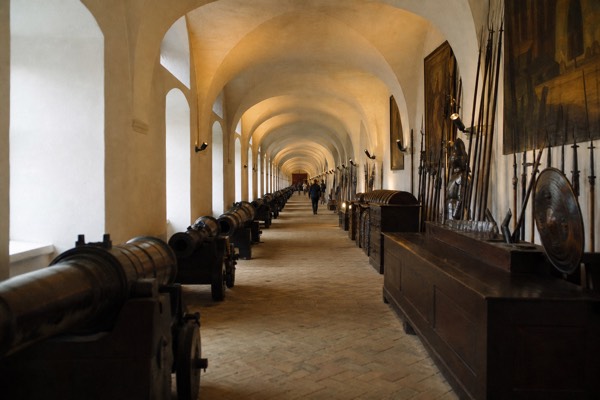
Yes, if military history interests you at all. Krigsmuseet sits in Christian IV's 1604 Royal Arsenal on Slotsholmen, with a 163-metre cannon hall on the ground floor and 500 years of Danish military history above. It is quieter than the big palaces, consistently well reviewed, and costs 130 DKK for an adult, with under-18s free.
Krigsmuseet is the history museum people overlook and then rave about. The building alone justifies the visit: a long, low arsenal hall lined with cannon, one of the great early-baroque interiors in the city, running the full length of the ground floor. Upstairs the collection walks through Danish wars from the 1500s onward, with armour, uniforms, small arms and the human stories around them, and it never feels as crowded as Rosenborg two streets away.
It is administered as part of the National Museum, so the two pair naturally on a Slotsholmen history morning. One honest planning note: whether it is covered by the Copenhagen Card is not on the confirmed attractions list I can verify, so check the current list before you count on it. Opening hours run Apr to Sep daily; in the deep winter it closes Mondays. You can confirm details on the official Krigsmuseet page.
Which royal palaces tell Copenhagen's history best?
Rosenborg tells it most vividly, a compact 1600s castle whose treasury holds the crown jewels and coronation regalia. Christiansborg carries the story of power, with medieval ruins beneath a still-working seat of parliament, and Amalienborg opens the monarchy's private apartments. All three take a Copenhagen Card, and you can walk between them in an afternoon.
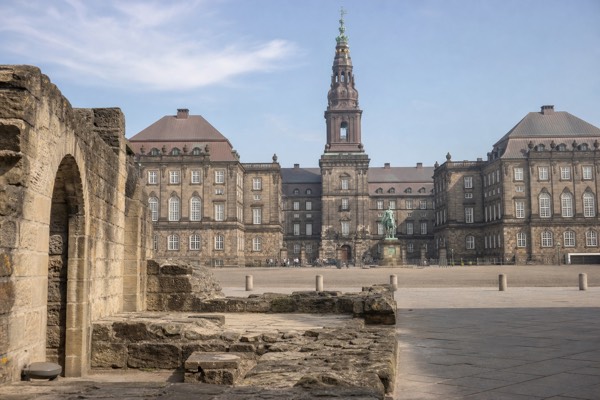
The three royal museums each capture a different chapter. Rosenborg, built by the energetic Christian IV as a summer house in the King's Garden, is the treasure store: a dense little castle whose basement treasury holds the Danish crown and the regalia still used at accessions. Christiansborg, on Slotsholmen, is the working heart of the state, home to parliament and the Supreme Court, and a single ticket takes in the Royal Reception Rooms, the medieval ruins under the courtyard and the tower.
Amalienborg is the living palace, four rococo wings around a square where the royal family still resides, with a museum wing of private apartments kept as they were and the noon changing of the guard on the square outside. The table below sorts them by the era each captures. You can check current opening times for all three on the Royal Danish Collection site.
| Palace | Era it captures | Highlight | 2026 adult |
|---|---|---|---|
| Rosenborg | 1600s, Christian IV | The crown jewels in the treasury | 150 / 140 online |
| Christiansborg | Medieval to today | Ruins under a working palace | 225 / 215 online |
| Amalienborg | 1700s to now | The monarch's private apartments | 135 / 125 online |
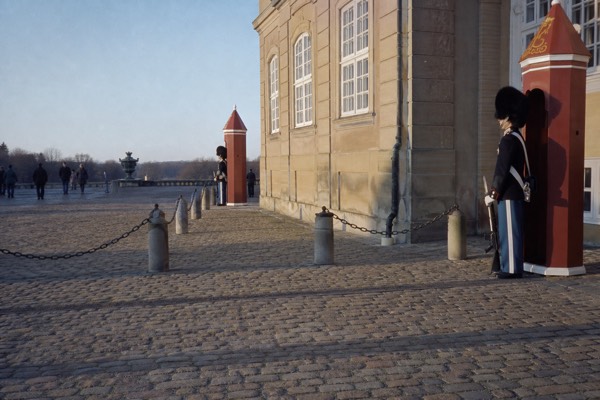
Rosenborg is the one most history visitors put first.
Where do you learn about everyday Danish life?
Arbejdermuseet, the Workers Museum, is the best place to meet ordinary Copenhagen. Set in the original 1879 workers' assembly hall on Romersgade, it keeps a preserved family apartment, a period coffee shop and strong social-history exhibitions. Out at Lyngby, Frilandsmuseet gathers dozens of historic farmhouses in the open air. Both cost around 135 to 145 DKK, with under-18s free.
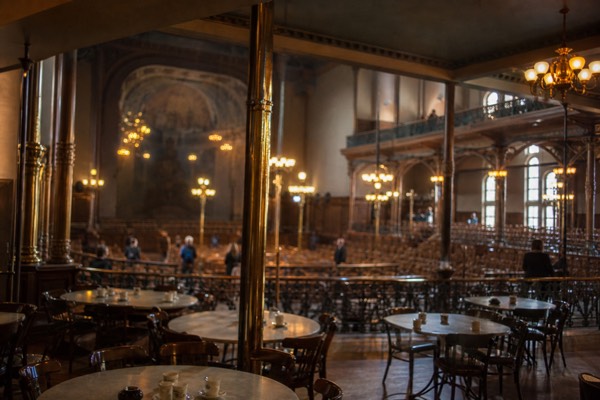
The palaces tell the story from the top down, so I always send history lovers to Arbejdermuseet for the other half. It sits in the actual hall where the early labour movement met, and its centrepiece is a working-class flat furnished across three generations, room by room, from the 1880s to the 1990s. There is a period coffee shop where you can drink chicory coffee, and the social-history galleries are among the most human in the city. It is a non-affiliate museum, so book through the official Workers Museum site.
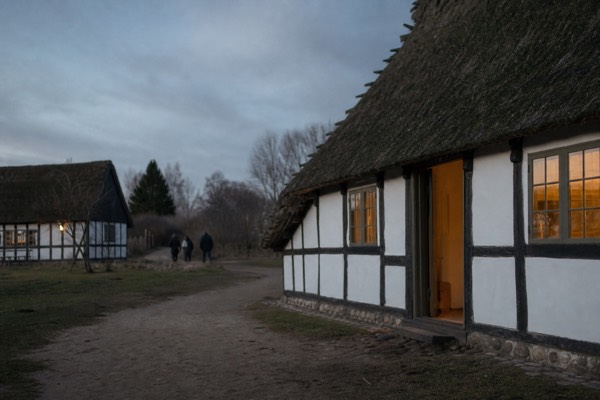
Frilandsmuseet, the open-air museum at Lyngby, is the rural counterpart. Part of the National Museum, it has moved dozens of real farmhouses, mills and cottages from across the old Danish realm and set them in working fields, so you walk a landscape of vanished everyday life. It is now a paid museum at roughly 145 DKK, with under-18s free, and it is far better on a dry day since almost all of it is outdoors. For what stays free elsewhere in the city, see the free museums in Copenhagen guide.
Which history day trips are worth the train?
Two castles north of the city earn the ride. Kronborg at Helsingor is the Renaissance fortress Shakespeare made Elsinore in Hamlet, a UNESCO World Heritage site guarding the narrowest point of the Oresund. Frederiksborg at Hillerod is Scandinavia's grandest Renaissance castle, now the Museum of National History. Both cost 125 to 150 DKK and sit inside the Copenhagen Card's transport zones.
Kronborg is the more dramatic of the two. It stands right on the water at Helsingor, a squat, mighty fortress that controlled ship traffic through the sound for centuries and collected a toll from everyone who passed. Above are royal chambers and a vast ballroom; below, the dark casemates hold the sleeping statue of Holger the Dane. Its UNESCO World Heritage listing recognises both the architecture and the Hamlet connection that draws so many visitors.
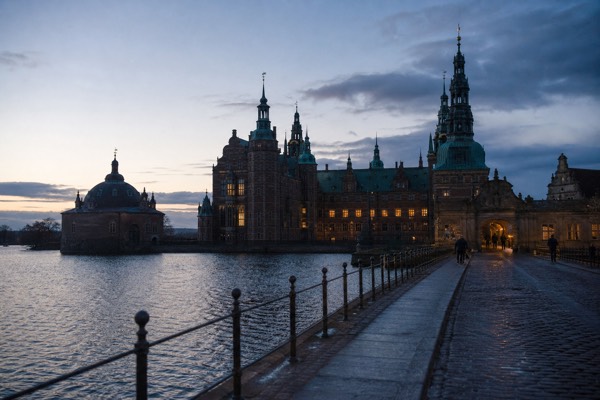
Frederiksborg, inland at Hillerod, is the beauty. Built by Christian IV on three islets in a lake, it now houses the Museum of National History, 500 years of royal and national portraits, and it opens all 365 days including Mondays, which makes it a smart Monday trip. A free app audio guide comes with the ticket. Both castles ride the same northern rail network as Louisiana, so a Copenhagen Card can turn a whole day of history out of the city into one flat price. The full northern route is covered in the Copenhagen in 3 days itinerary.
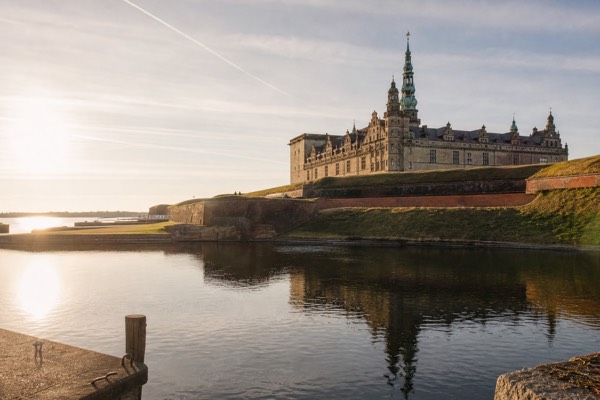
Kronborg is worth booking ahead in summer.
Are the history museums good with kids?
Yes, several work well with children, and under-18s enter free everywhere, which keeps a family day cheap. The National Museum runs a hands-on Children's Museum where kids try history for themselves, Frilandsmuseet's open-air farms give them room to roam, and the castles turn into real adventures. Krigsmuseet's cannon hall and Kronborg's dark casemates tend to win over even reluctant young visitors.
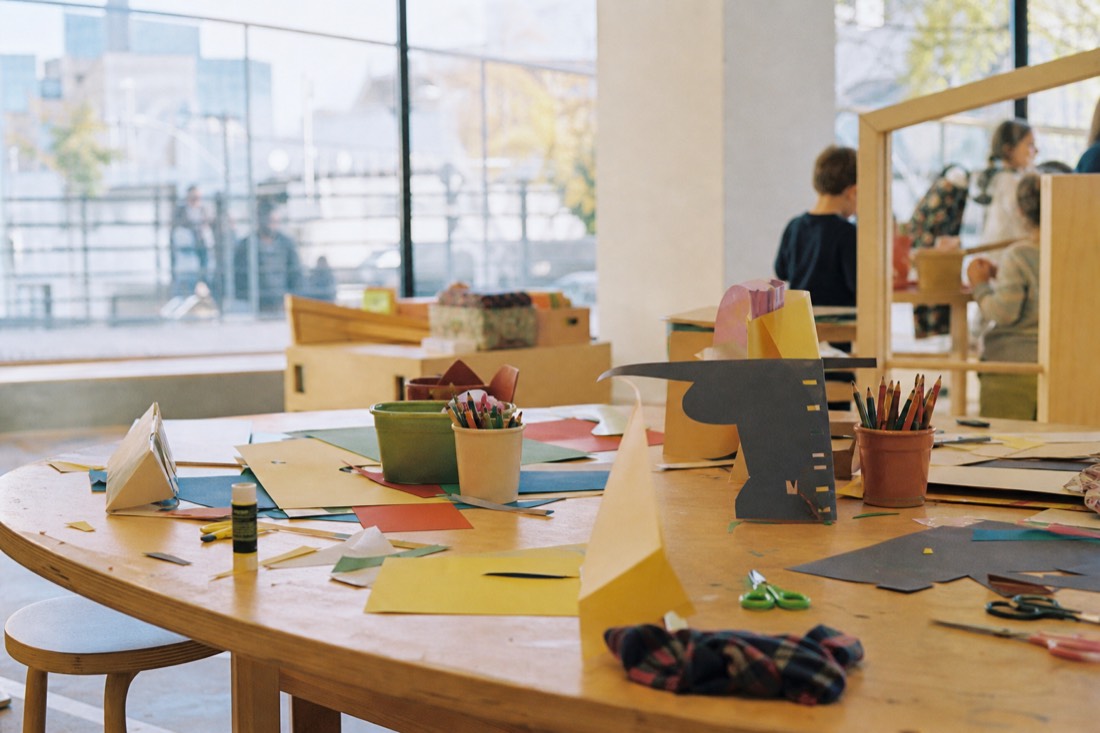
History can be a hard sell to a seven-year-old, so I lean on the museums that let children do rather than only look. The National Museum is the standout, with a dedicated Children's Museum where kids climb into a recreated past, dress up and handle replicas, all while the adults keep half an eye on the real collection next door. Under-18s go free across the board here, so a family pays only for the grown-ups.
Frilandsmuseet, the open-air museum at Lyngby, is the other easy family win when the weather cooperates. Real old farmhouses, animals in season and wide fields turn Danish rural history into a day out rather than a lecture, and there is space for children to burn energy that a city gallery never offers. Keep it for a dry day, since almost all of it is outdoors.
The castles pull their weight too, often in ways you would not expect. Krigsmuseet's long hall of cannon delights children who could not care less about dates, and Kronborg's underground casemates, dark, cold and home to the sleeping statue of Holger the Dane, are the kind of place a child remembers for years. Rosenborg's crown jewels have a fairy-tale pull of their own. If you are building a trip mainly around younger children, the dedicated Copenhagen museums for kids guide maps out the best of them, but the history museums alone can carry a family afternoon.
How much do the history museums cost, and when are they open?
Copenhagen's history museums run 125 to 150 DKK for an adult in 2026, with under-18s free everywhere. The National Museum stays open Mondays in the main season, as do the royal palaces and Frederiksborg, which opens all year. Krigsmuseet and Amalienborg close Mondays in winter. Frederiksborg's 365-day schedule makes it the reliable Monday history pick.
Unlike the art museums, most history sites here stay open on Mondays, at least in season, which makes them the smart choice for that awkward first or last day. The National Museum opens daily April to October, the royal palaces open through their long spring-to-autumn seasons, and Frederiksborg never closes at all. Amalienborg is the exception, shutting Mondays outside the summer, and Krigsmuseet closes Mondays only in the deep winter.
Prices are moderate and consistent. Nothing here tops 150 DKK for an adult, the day-trip castles included, and the six royal and national sites are on the Copenhagen Card, so a history-heavy couple of days is exactly where the card earns its keep. The grid below covers the essentials; cross-check anything time-sensitive on VisitCopenhagen before you travel.
| Museum | 2026 adult | Open Monday? | Typical hours |
|---|---|---|---|
| National Museum | 150 DKK | Yes Apr-Oct | 10:00-17:00 |
| Krigsmuseet | 130 DKK | Yes Apr-Sep (closed Mon Jan-Mar) | 10:00-17:00 |
| Rosenborg | 150 / 140 | Yes in season | 10:00-17:00 (summer 09:00-17:00) |
| Christiansborg | 225 / 215 | Yes 30 Mar-1 Nov | 10:00-17:00 |
| Amalienborg | 135 / 125 | Closed outside summer | Tue-Sun 10:00-16:00 |
| Kronborg | 150 DKK | Yes in season | ~10:00-17:00 |
| Frederiksborg | 125 DKK | Yes, all 365 days | 10:00-17:00 |
| Arbejdermuseet | 135 DKK | Yes | 10:00-17:00, Thu to 20:00 |
How do you build a history-focused day?
Anchor a central history day on Slotsholmen, where the National Museum, Christiansborg and Krigsmuseet sit within a few minutes of each other, then add Rosenborg by the King's Garden. Keep a separate day for a northern castle, Kronborg or Frederiksborg, reached by train. Use Mondays for the sites that stay open, and let a Copenhagen Card cover the transport.
The good news for history visitors is that the heavy hitters cluster. The National Museum, Christiansborg and Krigsmuseet are almost neighbours on and around Slotsholmen, so you can do all three in a full day without touching public transport, then walk ten minutes to Rosenborg if energy allows. That single quarter gives you Vikings, medieval ruins, the arsenal and the crown jewels in one loop.
Save the castles for their own outing, since each takes the better part of a day with the train. If your trip includes a Monday, lean on Frederiksborg, the National Museum in season, or the palaces rather than the art museums that shut. And if you want the wider picture of how history fits alongside the art and family options, the best museums in Copenhagen guide ranks the whole field. History here is dense and close together, so the winning move is depth over speed: a few sites, properly seen.
A last word from years of leading these visits. The Viking hall is the headline, and rightly so, but the history that stays with people is often the quiet stuff: a worker's kitchen, a runestone's worn edge, the toll a castle once took from every passing ship. Give those the same time you give the crown jewels, and Copenhagen tells you its whole story rather than just its grand one.
If your days are tight, the shortest honest route through the city's history is three stops: the National Museum for the deep past and the Vikings, Rosenborg for the crown and the monarchy, and Krigsmuseet for the wars, all within a short walk of one another. Add a northern castle if you have a spare day and the weather holds. That handful, seen slowly, leaves most visitors feeling they have met the country rather than merely ticked off its landmarks, which is the whole point of coming at all.
Common questions about Copenhagen's history museums
Where can you see Viking artefacts in Copenhagen?
At the National Museum of Denmark. Its Viking galleries hold real swords pulled from bogs, runestones, silver arm-rings and the everyday objects of the period, combs, keys and coins that travelled from as far as the Middle East. The prehistory floor builds up to them through the Bronze Age and the gilded Sun Chariot.
Is there a dedicated Viking museum in the city?
Not as such. The city's Viking material lives inside the National Museum rather than in a museum of its own, and that single hall is the strongest Viking stop in Copenhagen. For deeper Viking sites you leave town, to the ship museum at Roskilde or the old ring fortresses, both a trip in their own right.
Is Krigsmuseet worth visiting?
Yes, if military history holds any interest for you. It occupies Christian IV's 1604 Royal Arsenal on Slotsholmen, and the 163-metre cannon hall on the ground floor is one of the great early-baroque interiors in the city. Five centuries of Danish military history sit above it. Adult entry is 130 DKK, under-18s free.
Which history museums stay open on Mondays?
Most of them, at least in season, which makes history the smart Monday choice. The National Museum opens daily from April to October, Krigsmuseet from April to September, and Rosenborg and Christiansborg through their long seasons. Frederiksborg at Hillerod never closes, all 365 days. Amalienborg is the exception, shutting Mondays outside summer.
Which royal palace should you pick for history?
Rosenborg, for the vividness of it. Christian IV built the castle as a summer house in the King's Garden, and its basement treasury holds the Danish crown and the regalia still used at accessions. Christiansborg gives you medieval ruins beneath a working parliament instead, and Amalienborg opens the monarchy's private apartments. All three take a Copenhagen Card.
Is Kronborg worth the trip from Copenhagen?
For most history visitors, yes. Kronborg stands on the water at Helsingor, a Renaissance fortress that controlled ship traffic through the Oresund and took a toll from everyone who passed. Shakespeare made it Elsinore in Hamlet, and it is a UNESCO World Heritage site. Adult entry is 150 DKK, and the dark casemates hold Holger the Dane.
Are the history museums covered by the Copenhagen Card?
The six royal and national sites are, which is where a history-heavy couple of days pays off: the National Museum, Rosenborg, Christiansborg, Amalienborg, Kronborg and Frederiksborg. Krigsmuseet and Arbejdermuseet are not on the confirmed attractions list, so check the current list before you count on either.
Where do you learn about ordinary Danish life rather than kings?
Arbejdermuseet, the Workers Museum on Romersgade, set in the actual 1879 hall where the early labour movement met. Its centrepiece is a working-class flat furnished across three generations, from the 1880s to the 1990s, and there is a period coffee shop. Entry is 135 DKK. Out at Lyngby, Frilandsmuseet does the rural version outdoors.
A Museum Visit Or A Full History Day Trip?
General recommendation; adjust it below for your plans.
Have your Copenhagen date in mind? Check Private National Museum Tour before arranging the rest of your itinerary.
Choose the two-hour museum option for a focused visit, including permanent-collection admission. Meet at the Lur Blowers column, City Hall Square. Transfers and Christiansborg require longer options. English is offered.
Compare Options And Adjust My Plan
Choose the experience you want, then check its exact option, language, party ages and dates with the provider. This tool does not confirm availability or individual eligibility.
Viator scheduled dates. Availability and final price are confirmed on Viator.
Choose a date to inspect the published schedule. You can also continue directly to Viator.