Free Museums in Copenhagen: What Is Actually Free in 2026
Free museums in Copenhagen, honestly: only the David Collection is free year-round now. Which went paid, the last-Wednesday free days, under-18 rules.
 By Anders Nielsen, Copenhagen Museums Specialist & Cultural Guide
A traveller wrote to me last spring, cheerful and completely wrong, to say she had built three days around Copenhagen's free museums. Her list had the National Museum on it, and SMK, and the open-air museum out at Lyngby, all things that used to be free and no longer are. She was about to arrive with a budget that no longer matched the city. I would rather you did not have that morning at a ticket desk, so this guide tells you the awkward truth first and the good news second.
The awkward truth is that the old "Copenhagen has loads of free museums" advice has quietly gone out of date. Several of the big ones now charge adults, and the guides that still list them as free are years behind. The good news is that real free options remain, they are just fewer and more specific than the internet suggests: one genuinely free major collection, a monthly free day at three museums, and free entry for anyone under 18 almost everywhere. Get those three facts right and you can still see a lot without paying, as long as you know which doors are actually open.
If you want one genuinely free experience that shows you the city rather than a single collection, skip the ticket desk and start on foot. The best value in town is a pay-what-you-want walking tour, run by a local guide rather than by this site. You join for nothing and hand over a tip at the end, commonly 100 to 200 DKK, and the three walks below cover the classic centre in two hours, two and a half or three, depending on how long you want to be on your feet. The longest of them, the three-hour Hygge Tour listed on GuruWalk, spends as much time on how Danes actually live as on the palaces.
Which museums in Copenhagen are free in 2026?
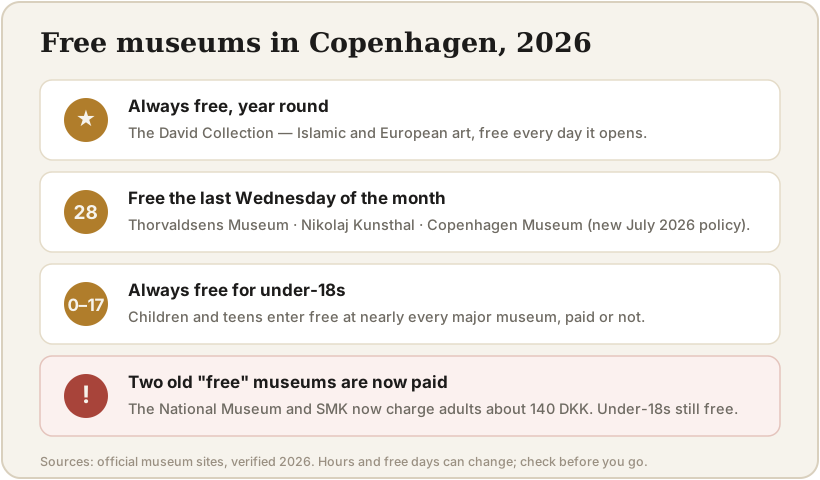
Only one major museum is free to all, year-round: The David Collection, with its world-class Islamic and European art. Beyond that, three museums (Thorvaldsens, Nikolaj Kunsthal and the Copenhagen Museum) are free for everyone on the last Wednesday of each month, and under-18s enter almost every paid museum free. The old free favourites, the National Museum and SMK, now charge adults.
That is the whole free landscape in three lines, and it is smaller than most travel articles admit. The David Collection is the one you can rely on any day it is open. The last-Wednesday free days are a real and generous quirk, but they land once a month, so they only help if your dates line up. And the under-18 rule is the quiet giant here: it turns a family visit to almost any museum into an adults-only expense.
The reason this matters is money you did not budget. If you planned around three or four free museums and arrive to find most of them charging 140 to 150 DKK a head, a couple of days of sightseeing suddenly costs a great deal more than expected. Below is the reality, museum by museum, so there are no surprises at the door.
| Museum | Free for adults? | 2026 adult price | Under-18 |
|---|---|---|---|
| The David Collection | Yes, year-round | Free | Free |
| National Museum of Denmark | No, now paid | 150 DKK | Free |
| SMK, National Gallery | No | 140 DKK | Free |
| Frilandsmuseet (Open Air Museum) | No, now paid | about 145 DKK | Free |
| Thorvaldsens Museum | Only last Wednesday | 110 DKK | Free |
| Ny Carlsberg Glyptotek | No | 150 DKK | Free |

Is the David Collection really free?
Yes. The David Collection, tucked into a townhouse near the King's Garden, is free to enter every day it opens, for the permanent collection and the special exhibitions alike. It holds one of the finest collections of Islamic art in the world, alongside European decorative arts and Danish Early Modern pieces, and it is rarely crowded.
This is the genuine article, the museum I send budget travellers and art lovers to without hesitation. The Islamic galleries are the reason to come: ceramics, textiles, weapons and manuscripts spanning centuries and a huge geographic range, displayed with real care across several floors of a quiet old house. Because entry costs nothing and few tour groups think to include it, you often have the rooms close to yourself.
There is no catch and no upsell. You walk in, you leave when you like, and the only thing it asks is that you keep your voice down and your bag small. The museum keeps its opening hours and current shows on the official David Collection site, which is worth a look before you go since it closes on Mondays like much of the city. For a free museum of this quality, it is one of the best-value hours in Copenhagen.
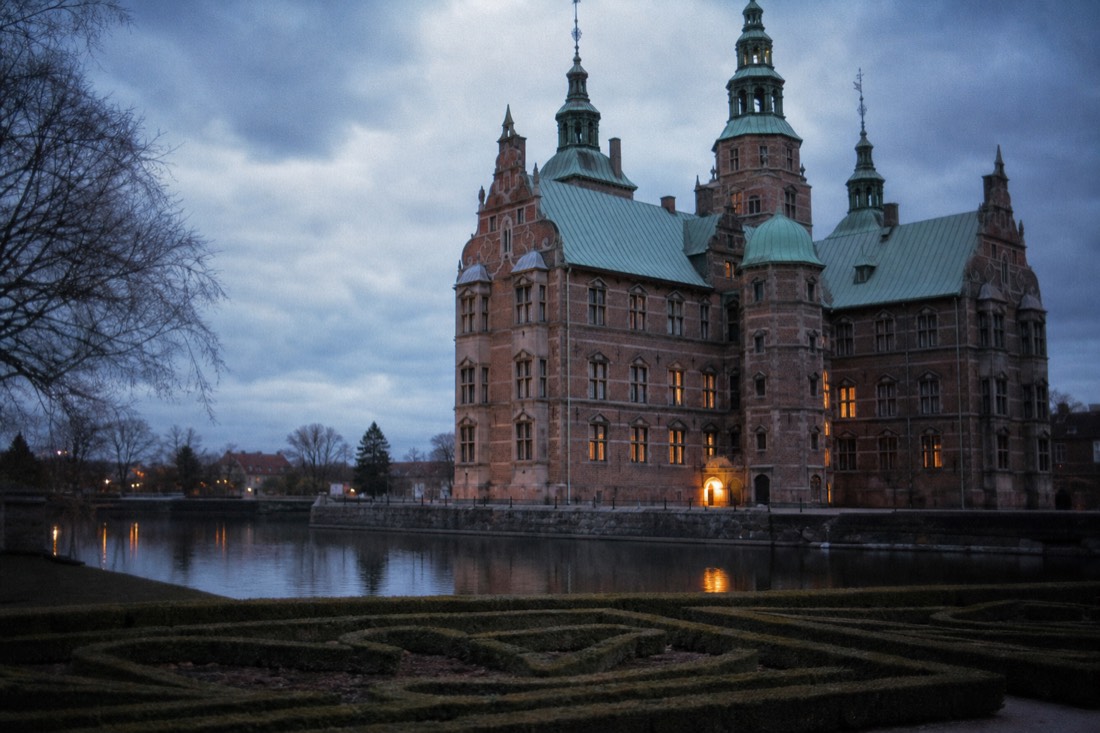
I usually tell people to give it more time than they expect. The Islamic rooms alone reward slow looking, with jade, rock crystal and inlaid metalwork that repay standing close, and the European and Danish floors add porcelain, silver and early modern paintings for contrast. Because it never feels rushed or crowded, it is also a fine place to shelter for an hour when the weather turns, which happens often enough here to matter. Sitting near the King's Garden, it pairs naturally with a free walk among the Rosenborg lawns, so a morning built around it costs nothing at all. That corner of the city is also where the route of GuruWalk's Nordic Freedom Tours walk passes, running from Kongens Nytorv through Nyhavn and Amalienborg to Rosenborg and the King's Garden on the usual pay-what-you-want terms, so an hour in the townhouse and two on the streets around it make a full free morning.
Are the National Museum and SMK free anymore?
No. Both now charge adults. The National Museum of Denmark is 150 DKK at the door, and SMK, the National Gallery, is 140 DKK, with a reduced 95 DKK rate for under-27s. Under-18s still enter both free. Older guides that call these two free are out of date, so budget for the tickets.
This is the single biggest correction to make. For years the National Museum and SMK were the anchors of any "free Copenhagen" plan, and the change to paid admission has not filtered through to most travel writing. Both are still excellent, and for many visitors worth every krone, but they are no longer the free fallback they once were. SMK does keep some free programming, its Friday evening events, but general admission to the collection is paid. If those two tickets together are more than the trip can carry, the honest substitute is not a third museum but the street: the two-hour Historic Center walk on GuruWalk takes in City Hall Square, Nyhavn, Christiansborg, the Amalienborg guard change and the Marble Church for whatever you decide to tip at the end, and it finishes by handing you a map of local recommendations.
What the SMK ticket buys is worth spelling out, because it softens the sting. The National Gallery holds the largest art collection in the country, running from old masters through a celebrated Danish Golden Age room into modern French and Danish work, and its light-filled sculpture street alone can hold a visitor for an hour. Under-27s pay a reduced 95 DKK, which quietly helps students, and the building sits by the Botanical Garden so a paid morning inside pairs neatly with a free walk in the greenery afterwards.
The upside is that paying gets you two of the country's great museums at their best. The National Museum runs from Stone Age tools and the bronze Sun Chariot through a world-class Viking hall into ethnographic and modern collections, a full half-day if you let it be. Its own current hours and prices sit on the official National Museum site, and SMK's on the official SMK site.
Which museums are free on certain days?
Three city museums are free for everyone on the last Wednesday of each month: Thorvaldsens Museum, Nikolaj Kunsthal and the Copenhagen Museum. This monthly free day is new from July 2026, replacing the old every-Wednesday scheme, so aim for that one date if you want them for nothing. Pensioners also enter these three free on Tuesdays.
The change matters, because a lot of advice still promises free entry to Thorvaldsens every Wednesday. That is no longer true. The city moved to a single free day, the last Wednesday of the month, so only one Wednesday in four now opens these doors for free. If your trip happens to straddle that date, you can build a lovely free afternoon around Thorvaldsens, whose coloured walls and mosaic floors make it one of the most striking interiors in the city, all for a single artist. Thorvaldsens sits on Slotsholmen beside Christiansborg, two minutes from Gammel Strand, which happens to be where the Comedy Walking Tour on GuruWalk gathers under an orange umbrella. A free Wednesday inside and a pay-what-you-want walk outside pair without a metro ride between them.
Outside that date the three revert to their normal adult prices, with Thorvaldsens around 110 DKK. So the free day is a genuine bonus if the calendar cooperates and irrelevant if it does not. Here is who gets in free, and when.
| Museum | Free for all | Also free |
|---|---|---|
| Thorvaldsens Museum | Last Wednesday of the month | Under-18 always; pensioners Tuesdays |
| Nikolaj Kunsthal | Last Wednesday of the month | Under-18 always; pensioners Tuesdays |
| Copenhagen Museum | Last Wednesday of the month | Under-18 always; pensioners Tuesdays |
| The David Collection | Every open day | Everyone, year-round |
Do children and under-18s get in free?
Yes, and this is the most useful free rule in the city. Under-18s enter free at essentially every major paid museum, including the National Museum, SMK, Rosenborg, the Glyptotek, Christiansborg, Amalienborg, Designmuseum and Thorvaldsens. For families that turns most museum visits into an adults-only cost, which changes trip budgeting completely.
If you are travelling with children, plan around this rather than around the shrinking list of fully free museums. A family of two adults and two teenagers walking into the National Museum pays for two, not four, and the same holds almost everywhere. Over three or four museum visits that saving is substantial, often more than any pass would have returned.
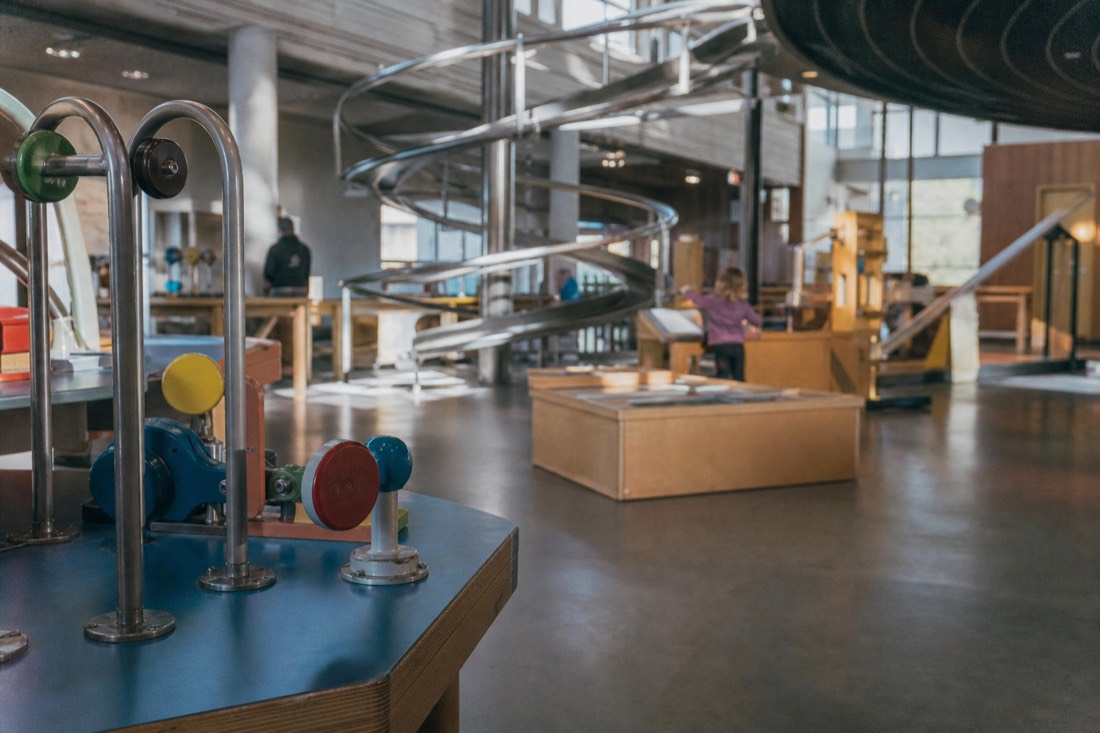
It also reshapes the free-versus-paid decision. A parent chasing free museums to save money may do better paying adult entry at one great museum where the kids go free than hunting for a third free option that does not exist. The children's wings at the science-led museums are built for exactly this, and they are where families tend to get the most out of a paid ticket. For the youngest visitors, hands-on museums earn their entry many times over, which is worth remembering before you rule out anything with a price on the door.
Put real numbers on it and the point lands. A family of two adults and two 14-year-olds walking into the National Museum pays 300 DKK, not 600, because the teenagers go free. Do the same at the Glyptotek and Designmuseum over a few days and the running saving climbs past what most passes would return, all without chasing a single free-entry museum. The under-18 rule, not the shrinking free list, is the thing that actually keeps a family museum budget down in Copenhagen.
What else can you see for free in Copenhagen?
Plenty, once you look past the word museum. The changing of the guard at Amalienborg happens on the square at noon with no ticket, the Botanical Garden grounds are free to walk, and the harbour, the old town and many of the city's churches cost nothing to see. Copenhagen rewards walking, and its best free sights are outdoors.
Start with the set pieces that need no ticket. At Amalienborg the royal guard marches to the palace square around midday, a genuine daily spectacle you can watch for free even if you never enter the museum wing. The Botanical Garden near the centre lets you wander its lawns and lake without paying, and the greenhouses are a separate small charge you can skip. Down at the water, Nyhavn's painted houses, the harbour baths and the long promenades are all simply there for the walking.
The city's churches are another quiet free pleasure. Most let you step inside at no cost, from the domed Marble Church to the smaller parish churches, and only climbing a tower tends to carry a fee. Green space doubles as history, too: Assistens Cemetery in Norrebro is a working park where Hans Christian Andersen and Soren Kierkegaard are buried, and locals treat it as somewhere to stroll rather than somewhere solemn. None of this is a museum, but a day stitched from these costs nothing and shows you the city better than a rushed gallery loop would.
There is more once you start looking. The freetown of Christiania, the self-governing quarter on Christianshavn, is free to walk through if you respect its rules on photography, and crossing the harbour to reach it is half the pleasure. GuruWalk's Hippies and Christianshavn walk does that whole crossing in about ninety minutes, from Havnegade at the end of Nyhavn over the Inderhavnsbroen to the canals, the Church of Our Saviour and Christiania itself, for whatever you hand the guide at the end. The lakes that curve along the old city edge make a long free loop that locals run and picnic beside, and the harbourfront libraries and the Royal Library garden give you somewhere warm and free to sit when the weather turns. Stitch two or three of these between the David Collection and one paid highlight, and a day in Copenhagen can cost you almost nothing beyond a coffee and still feel full.
Vesterbro is the other free half of the city that museum lists ignore. Istedgade, the Meatpacking District, the terraced workers' housing on Skydebanegade and the square at Enghave Plads cost nothing to walk and mean a great deal more with somebody explaining what they were built for, which is the job the Working-Class Copenhagen walk on GuruWalk does in ninety minutes from the main station. Like the rest of these walks it is run by an independent guide on an outside platform, not by this site, and you set the price yourself once it ends.
If you would rather pay, which museums are worth it?
The two I steer people toward when the free list runs short are the Ny Carlsberg Glyptotek and Designmuseum Danmark. Both are 140 to 150 DKK, both are indoor and rewarding on a grey day, and both give you far more than a free hour would. Under-18s enter each free, softening the cost for families.
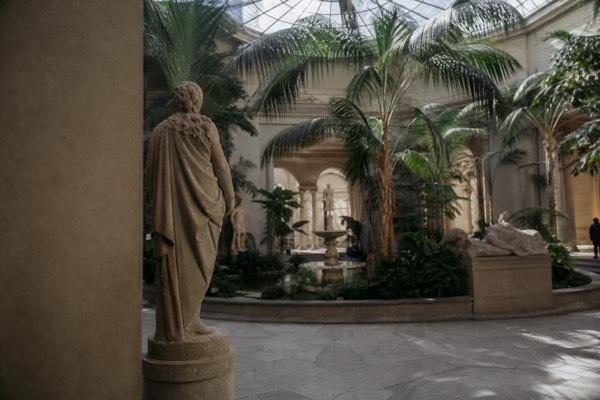
Once you accept that Copenhagen's free museums are limited, the fair question is where a paid ticket is best spent. The Glyptotek is my first answer. The brewer Carl Jacobsen's collection of Egyptian, Greek and Roman sculpture wraps around a domed winter garden of palms, with a strong run of French and Danish art including Rodin and Degas, and it is one of the loveliest interiors in the city. It is the one I would spend a paid hour on over a wet afternoon, when everyone else has the same idea.
Designmuseum Danmark is my second, especially if Danish chairs, ceramics and the wider Danish Modern story appeal. It sits in an 18th-century former hospital on Bredgade, and its famous corridor of iconic chairs alone justifies the ticket for anyone who cares about design. Both museums pair well with a free morning at the David Collection, giving you a day that mixes no-cost art with one paid highlight rather than trying to fill it with free options that no longer exist.
If you are choosing just one paid museum to pair with a free morning, the table below is how I rank the value. Each of these is central, indoor and rewards a couple of unhurried hours, and each lets under-18s in free, so the real cost is per adult rather than per head. The prices are the 2026 door rates; buying online usually shaves a little off.
| Paid museum | 2026 adult price | Why it earns the ticket | Under-18 |
|---|---|---|---|
| Ny Carlsberg Glyptotek | 150 DKK | Antiquities and French art under a palm winter garden | Free |
| National Museum of Denmark | 150 DKK | The Viking hall and the full Danish story, a half-day inside | Free |
| Designmuseum Danmark | 140 DKK | The chair corridor and the Danish Modern movement | Free |
| Rosenborg Castle | 150 DKK | The crown jewels in a royal summer castle | Free |
And if the answer this week is that no ticket fits the budget at all, the alternative is not nothing. The highest-rated English walk in the city is a pay-what-you-want one: the Comedy Walking Tour listed on GuruWalk, 4.84 across 1,828 reviews, two hours of Danish history told as stand-up from Gammel Strand around Christiansborg, Stroget, Kongens Nytorv, Nyhavn and Amalienborg. It costs whatever you hand over when it finishes, and it is run by an independent guide on an outside platform, not by this site.
How do you plan a low-cost museum day?
Anchor a free day on the David Collection, add the last-Wednesday free museums if your dates align, and lean on the under-18 rule if you have children. If you want the marquee paid collections too, compare the total against a Copenhagen Card, since two or more paid entries a day can make the card cheaper than tickets bought one by one.
A realistic free-leaning day looks like this: the David Collection in the morning, a walk through the King's Garden and past the guard change at Amalienborg, an afternoon in a free church or the Botanical grounds, and one paid highlight if the budget stretches. Slot that paid highlight in only where it earns its place, the Glyptotek on a rainy afternoon, or the National Museum if the Viking hall is calling.
The gap in a day like that usually falls in the middle of the afternoon, once the David Collection is done and before the light goes. Crossing to Christianshavn fills it cheaply: cobbled streets, a canal lined with old boats, the churches, and the edge of Christiania at the far end. The Christianshavn Free Tour on GuruWalk walks that ground in about ninety minutes, starting from Hojbro Plads under the Absalon statue, for whatever you decide it was worth at the end.
Timing the free days into your dates is the other lever. If your trip happens to include a last Wednesday of the month, keep it clear for Thorvaldsens, Nikolaj Kunsthal and the Copenhagen Museum, all free that day, and you can string together a genuinely no-cost museum afternoon on top of the always-free David Collection. It only works one Wednesday in four, so it is a bonus to plan around rather than count on, but when the calendar lines up it is the closest Copenhagen now comes to the old "city full of free museums" promise.
The moment your plan includes two or three paid museums a day, run the maths on a pass. The is the Copenhagen Card worth it guide works through the break-even point with real prices, and the wider art scene, free and paid, is mapped in the art museums in Copenhagen guide.
If the honest answer is that Copenhagen's free museums no longer fill a trip, these three walks fill the hours instead, each pay-what-you-want, each run by an independent guide and listed on GuruWalk rather than by this site: the royal quarter, the crossing to Christiania, and working-class Vesterbro.
None of this should put you off. Copenhagen is still a generous city for a careful budget, and a day built on the David Collection, a free guard change and one well-chosen paid museum beats a scramble after free options that closed their free doors years ago. Get the facts right, use the under-18 rule hard if you have children, and you will spend your money where it actually buys you something worth seeing.
Common questions about free museums in Copenhagen
Which museums in Copenhagen are free in 2026?
Only one major museum is free to all, year-round: The David Collection, with its Islamic and European art. Beyond that, Thorvaldsens, Nikolaj Kunsthal and the Copenhagen Museum open free to everyone on the last Wednesday of each month, and under-18s enter almost every paid museum free. The National Museum and SMK now charge adults.
Is the David Collection really free?
Yes. The townhouse collection near the King's Garden is free every day it opens, for the permanent galleries and the special exhibitions alike. There is no catch and no upsell. It holds one of the finest collections of Islamic art in the world, plus European decorative arts, and it closes on Mondays like much of the city.
Are the National Museum and SMK still free?
No, both charge adults now. The National Museum of Denmark is 150 DKK at the door and SMK, the National Gallery, is 140 DKK, with a reduced 95 DKK rate for under-27s. Under-18s still enter both free. Older guides that list these two as free are years behind, so budget for the tickets.
When are the monthly free days?
The last Wednesday of each month. Thorvaldsens Museum, Nikolaj Kunsthal and the Copenhagen Museum open free to everyone that day, a scheme new from July 2026 that replaced the old every-Wednesday arrangement. Pensioners also enter those three free on Tuesdays. Outside that date they charge normally, with Thorvaldsens around 110 DKK.
Do children and under-18s get in free?
Yes, and it is the most useful free rule in the city. Under-18s enter free at essentially every major paid museum, including the National Museum, SMK, Rosenborg, the Glyptotek, Christiansborg, Amalienborg, Designmuseum and Thorvaldsens. Two adults and two 14-year-olds walking into the National Museum pay 300 DKK, not 600.
Is the free walking tour actually free?
It is free to join and pay-what-you-want to finish. You hand the guide whatever you thought the walk was worth at the end, commonly 100 to 200 DKK. These walks are run by independent local guides and listed on GuruWalk, an outside platform, not by this site. Lengths run from about ninety minutes to three hours.
What else can you see for free besides museums?
Plenty, once you look past the word museum. The changing of the guard crosses the Amalienborg square at noon with no ticket, the Botanical Garden grounds are free to walk, and most churches let you step inside at no cost. Assistens Cemetery in Norrebro is a working park, and Christiania is free to walk through.
If only one paid museum fits the budget, which is it?
The Ny Carlsberg Glyptotek, at 150 DKK. Egyptian, Greek and Roman sculpture wraps around a domed winter garden of palms, with a strong run of French and Danish art, and it is one of the loveliest interiors in the city on a wet afternoon. Designmuseum Danmark at 140 DKK is the pick if Danish design appeals.
Keep It Free Or Add One Paid Experience?
General recommendation; adjust it below for your plans.
Have your Copenhagen date in mind? Check Copenhagen Folklore Audio Walk before arranging the rest of your itinerary.
Self-guided English audio, about 95–190 minutes. Central Station to Højbro Bridge via Copenhagen folklore landmarks. Smartphone and headphones required; no museum admission or transport.
Compare Options And Adjust My Plan
Choose the experience you want, then check its exact option, language, party ages and dates with the provider. This tool does not confirm availability or individual eligibility.
Viator scheduled dates. Availability and final price are confirmed on Viator.
Choose a date to inspect the published schedule. You can also continue directly to Viator.