Are There Viking Museums in Copenhagen?
The city's main Viking collection is at the National Museum of Denmark; the dedicated Viking Ship Museum is in Roskilde, about 30 minutes away. Where to see the real objects.
 By Anders Nielsen, Copenhagen Museums Specialist & Cultural Guide
Visitors arrive in Copenhagen expecting a Viking museum on a street corner, a longship in a hall somewhere near the harbour. It is a fair expectation for the country the Vikings came from, and it is also not quite how the city is arranged. There is no single building with "Viking Museum" over the door in the centre of Copenhagen. What there is, tucked inside a much larger institution, is one of the great Viking collections anywhere, plus a dedicated ship museum a short train ride away.
Are there Viking museums in Copenhagen?
Not a standalone one in the city centre, but the answer is still yes in practice. The National Museum of Denmark holds Copenhagen's main Viking collection, a whole hall of weapons, silver and runestones. For actual Viking ships, the dedicated Viking Ship Museum sits in Roskilde, about 30 minutes away by train.
So the honest picture is two-part. In town, the Vikings live inside the National Museum rather than in a museum of their own, which is why searches for a separate "Viking museum" come up short. Out of town, Roskilde has the ships. Below I cover exactly where to find the Vikings at the National Museum, which objects reward a close look, and whether the trip to Roskilde is worth adding. For the wider sweep of the country's past, my history museums in Copenhagen guide sets it all in context.
Where do you see Vikings at the National Museum of Denmark?
In the prehistory wing, where the Viking Age galleries follow the Stone, Bronze and Iron Age rooms. This is the richest Viking display in the city: weapons, jewellery, silver hoards and rune-carved stones drawn from finds across Denmark. Admission is now charged, at 150 DKK for adults, or 135 DKK online, with under-18s free.
The National Museum, Nationalmuseet, is Denmark's largest cultural-history museum, and its ground-floor prehistory route is the spine of a visit. You walk forward in time, and the Viking Age arrives as the climax of that story rather than as a themed side room. The objects are the real thing, excavated and documented, not reconstructions, which is the difference between this and the costumed attractions elsewhere in the city.
Practically, plan around the hours and the closed days. The museum is open daily from 10:00 to 17:00 through the April to October season, and closes on Mondays in the November to March winter, so a summer Monday is fine while a January Monday is not. You can confirm the current times and any changes on the museum's own official site.
What Viking objects should you look for?
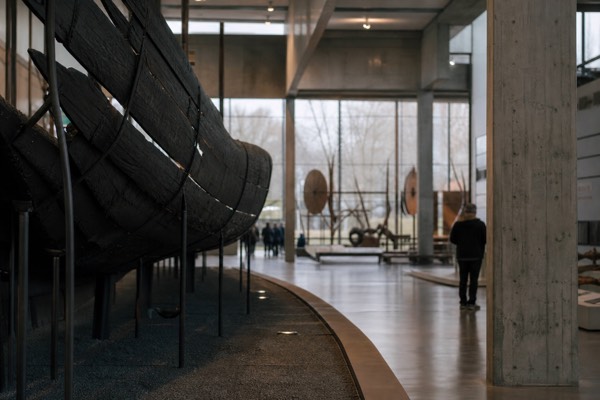
Head for the weaponry and the silver. The Viking Age rooms hold swords, axes and spearheads, personal jewellery in silver and gold, hacksilver hoards buried for safekeeping, and rune stones carrying the earliest written Danish. These everyday and ceremonial pieces tell you more about how Vikings actually lived than any film set could.
The strength of this collection is its ordinariness alongside its treasures. You see the tools of raiding and trading, yes, but also brooches, combs, coins and weights, the objects of households and markets. Silver runs through the displays because it was the age's currency, often chopped into pieces and weighed, and the hoards on show were once someone's buried savings. Rune stones, carved with a sharp angular alphabet, carry names and boasts and memorials, the first Danish anyone wrote down.
One thing worth clearing up, because it trips up a lot of visitors. The museum's famous Sun Chariot, the little bronze horse pulling a gilded sun disc, is not Viking at all. It is Nordic Bronze Age, well over a thousand years older, and it sits earlier in the same prehistory route. Admire it, but do not file it under Vikings. Background on the wider Viking world, if you want to read ahead, sits on the Vikings entry at Wikipedia.
Is the Roskilde Viking Ship Museum worth the trip?
If you specifically want ships, yes. The Viking Ship Museum in Roskilde displays five original Viking vessels raised from the fjord, alongside a working boatyard that builds and sails reconstructions. It is about 30 minutes from Copenhagen by regional train, so it is a genuine half-day out rather than a stop in the city.
This is the museum most people are actually picturing when they ask about Vikings in Copenhagen, and it is real, just not in Copenhagen. Roskilde sits west of the city on its own fjord, and the five Skuldelev ships on display were deliberately sunk there around a thousand years ago to block the channel, then excavated in the 1960s. Seeing the surviving timbers, some of them fighting ships, some cargo vessels, is a different experience from cases of weapons: this is the technology that made the whole age possible.
The catch is honesty about the trip. It is not on your doorstep, the entry is separate from anything in the city, and I would only send you out there if the ships matter to you specifically. The Copenhagen Card's transport zones do reach Roskilde, so the train can be covered, though you should check the current attraction list for whether entry is included before counting on it. Background and the ships' story are laid out on the Viking Ship Museum entry at Wikipedia. Here is how the two options compare.
| National Museum Viking hall | Roskilde Viking Ship Museum | |
|---|---|---|
| Where | Central Copenhagen | Roskilde, about 30 min by train |
| What you see | Weapons, silver, jewellery, runestones | Five original ships, a working boatyard |
| In the city? | Yes | No, a half-day out |
| Best for | Everyday Viking life and craft | Ships, seafaring and reconstruction |
What else covers the Viking and medieval story?
A couple of central museums carry the thread forward. The Danish War Museum, Krigsmuseet, lines up 500 years of arms in Christian IV's old Royal Arsenal, and the medieval ruins beneath Christiansborg Palace show the fortresses that rose after the Viking Age. Neither is Viking exactly, but both continue the same story of power and warfare.
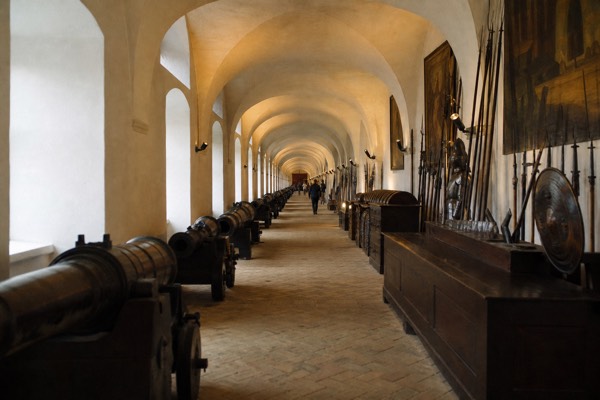
If the Vikings have hooked you, these are the natural next stops without leaving town. Krigsmuseet is quieter than the big palaces and consistently well reviewed, with a long ground-floor cannon hall and centuries of weaponry above. It picks up roughly where the Viking swords leave off, tracing how Danish warfare developed once the raiding age closed.
Under Christiansborg, meanwhile, the excavated ruins of Bishop Absalon's 1167 castle and its medieval successors sit in a cool undercroft you walk through on the palace ticket. Absalon is the figure usually credited with founding Copenhagen, so the ruins are the city's own origin story, medieval rather than Viking, but the same lineage of fortress and power. Both make sensible companions to a National Museum morning.
How do you plan a Viking-themed museum day?
Anchor the day at the National Museum, ideally in the morning, then choose your second act. Either go deeper in the city with the War Museum and the Christiansborg ruins, or take the train to Roskilde for the ships. Trying to do the National Museum and Roskilde properly in one day is possible but tight, so pick the version that fits your pace.
The clean plan is to spend the first couple of hours in the National Museum's prehistory wing while your attention is fresh, then decide based on your energy and the weather. Staying central keeps things flexible: the War Museum and Christiansborg are a short walk away on Slotsholmen, and you can add them without watching a timetable. That is the relaxed version, and it is the one I recommend for most first-time visitors.
The ambitious version swaps the afternoon for Roskilde and its ships, which means a train out and back and a firmer eye on the clock. It rewards anyone who came to Denmark partly for the Vikings, though it is a fuller day than a slow one. For help building either plan into a wider itinerary, the best museums in Copenhagen guide ranks the city's headline collections, and the history museums in Copenhagen guide goes deeper on the Viking and medieval trail.
How Do You Want To Explore Viking History?
General recommendation; adjust it below for your plans.
Have your Copenhagen date in mind? Check Private National Museum Tour before arranging the rest of your itinerary.
Choose the two-hour museum option for a focused visit, including permanent-collection admission. Meet at the Lur Blowers column, City Hall Square. Transfers and Christiansborg require longer options. English is offered.
Compare Options And Adjust My Plan
Choose the experience you want, then check its exact option, language, party ages and dates with the provider. This tool does not confirm availability or individual eligibility.
Viator scheduled dates. Availability and final price are confirmed on Viator.
Choose a date to inspect the published schedule. You can also continue directly to Viator.