The Best Indoor Museums for a Rainy Day in Copenhagen
Where to go when it rains in Copenhagen: fully indoor museums including the National Museum, the Glyptotek, the Experimentarium, the Blue Planet, SMK and Designmuseum, with 2026 prices and hours.
 By Anders Nielsen, Copenhagen Museums Specialist & Cultural Guide
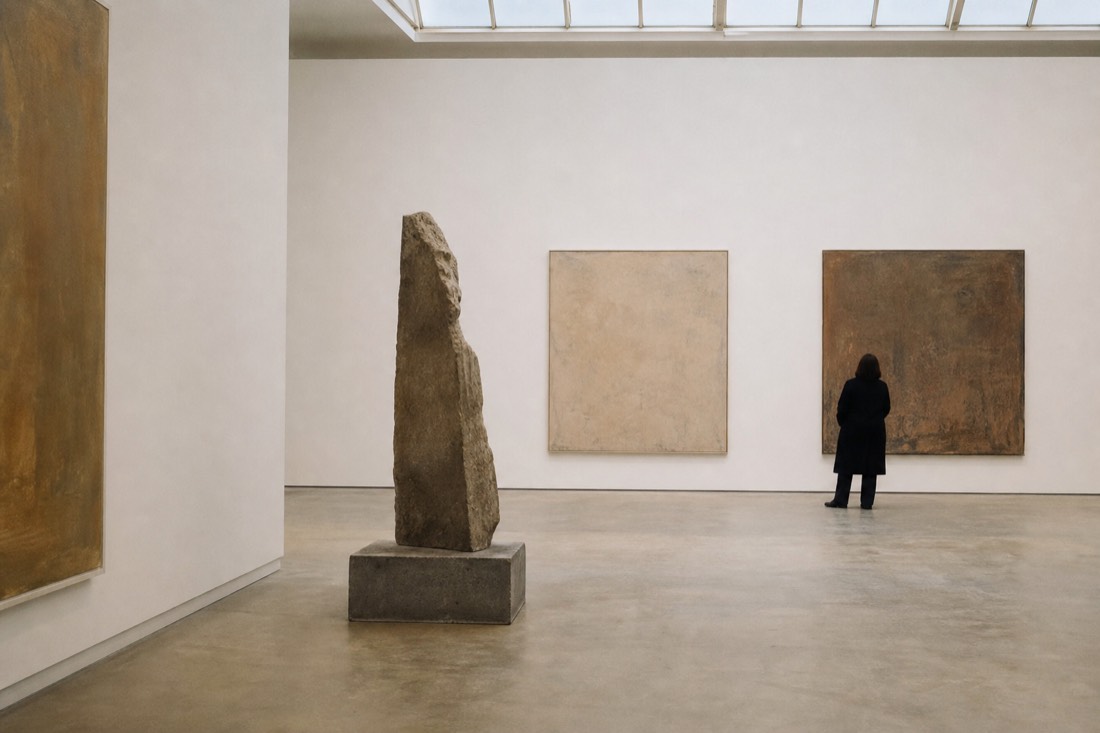
Copenhagen rain does not usually crash down. It settles in, grey and patient, and the harbour goes the colour of pewter while the cyclists pull up their hoods and keep going. On days like that I stop pretending the weather will break and steer people indoors instead, and the city rewards it. Some of its finest rooms are the ones you would only ever discover by ducking out of a shower: a domed hall full of palms, a Viking gallery lit like a cave, a science floor loud with delighted children.
I have run more wet-weather days here than dry ones, honestly, and I have learned that a rainy day in Copenhagen is not a day lost. It is a different day, slower and warmer, spent in the museums that were always going to be the highlight anyway. This guide is the one I reach for when the forecast turns: the fully indoor collections that carry you from morning to evening without a jacket, what each costs in 2026, and how to chain them so you barely touch the pavement between one and the next.
Which museums are best in Copenhagen on a rainy day?
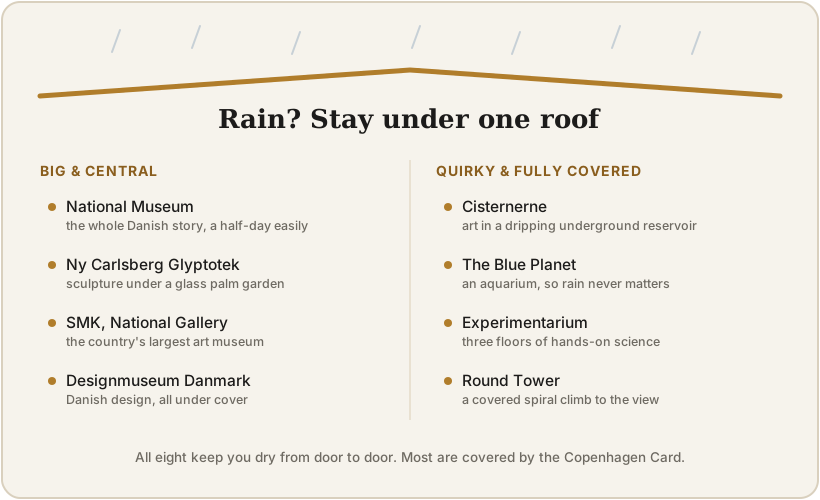
The fully indoor ones you can lose hours in: the National Museum of Denmark, the Ny Carlsberg Glyptotek, the Experimentarium science center, the Blue Planet aquarium, SMK, Designmuseum Danmark and Thorvaldsens Museum. All keep you dry from the door onward, and the central four sit close enough to walk between under one umbrella.
The rainy-day list is not just any museum with a roof. It is the ones deep enough to fill a whole grey day and, ideally, close enough to their neighbours that the walk between them is short. Copenhagen is generous on both counts. Its biggest collections are genuinely large, so a single one can hold you for two or three hours, and several cluster in the central streets around Slotsholmen and Tivoli where the next dry doorway is minutes away.
There is a spread of moods here, which matters when the sky sets your plans. The National Museum and the Glyptotek suit anyone who wants scale and quiet grandeur. The Experimentarium and the Blue Planet are the family answer, loud and hands-on and immune to weather. SMK, Designmuseum and Thorvaldsens are the calmer art picks for a slow afternoon. The rest of this guide takes them in that order, then shows you how to string them together and, at the end, which ones you can safely visit on a Monday.
| Museum | Type | Fully indoor? | Time to fill |
|---|---|---|---|
| National Museum of Denmark | History and culture | Yes | 2-3 hours |
| Ny Carlsberg Glyptotek | Antiquities and art | Yes | 2 hours |
| Experimentarium | Hands-on science | Yes | 3-4 hours |
| The Blue Planet | Aquarium | Yes | 2-3 hours |
| SMK, National Gallery | Fine art | Yes | 2-3 hours |
| Designmuseum Danmark | Design and decorative arts | Yes | 90 min |
Is the National Museum of Denmark a good rainy-day escape?
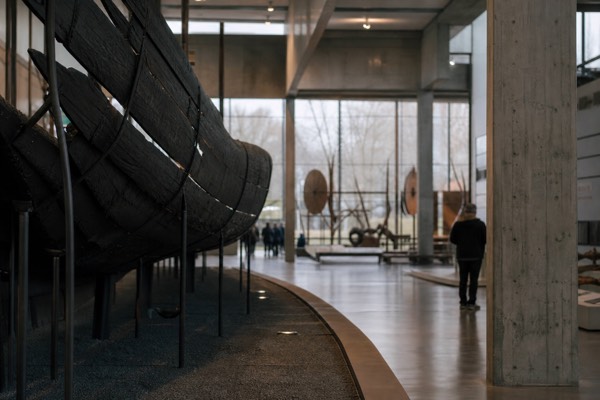
It is the best single wet-day anchor in the city. The National Museum is Denmark's largest cultural-history collection, a huge indoor building near Slotsholmen that runs from the Bronze Age Sun Chariot through a world-class Viking hall to ethnographic and modern rooms. You can spend an entire rainy afternoon inside and still not see it all.
The reason this one heads the list is simple depth. When rain has closed off your outdoor plans, you want a museum that can absorb three or four hours without you clock-watching, and the National Museum does that easily. The Viking gallery alone, with its weapons, silver hoards and runestones, rewards a slow hour, and the prehistoric rooms holding the gilded Sun Chariot and the preserved bog bodies pull you on from there. Families get the added bonus of the Children's Museum wing, a hands-on space that keeps younger visitors busy while adults take the galleries at their own pace.
Practically, it fits a rainy day perfectly. Adult admission is 150 DKK, or 135 online, since the museum shifted from free to paid entry, and under-18s still go free. It opens daily from 10 to 17 through the April-to-October season, Mondays included, which is a real advantage when the classic art museums are shut. Opening days and any special exhibitions are listed at natmus.dk.
Why is the Glyptotek the perfect place when it rains?
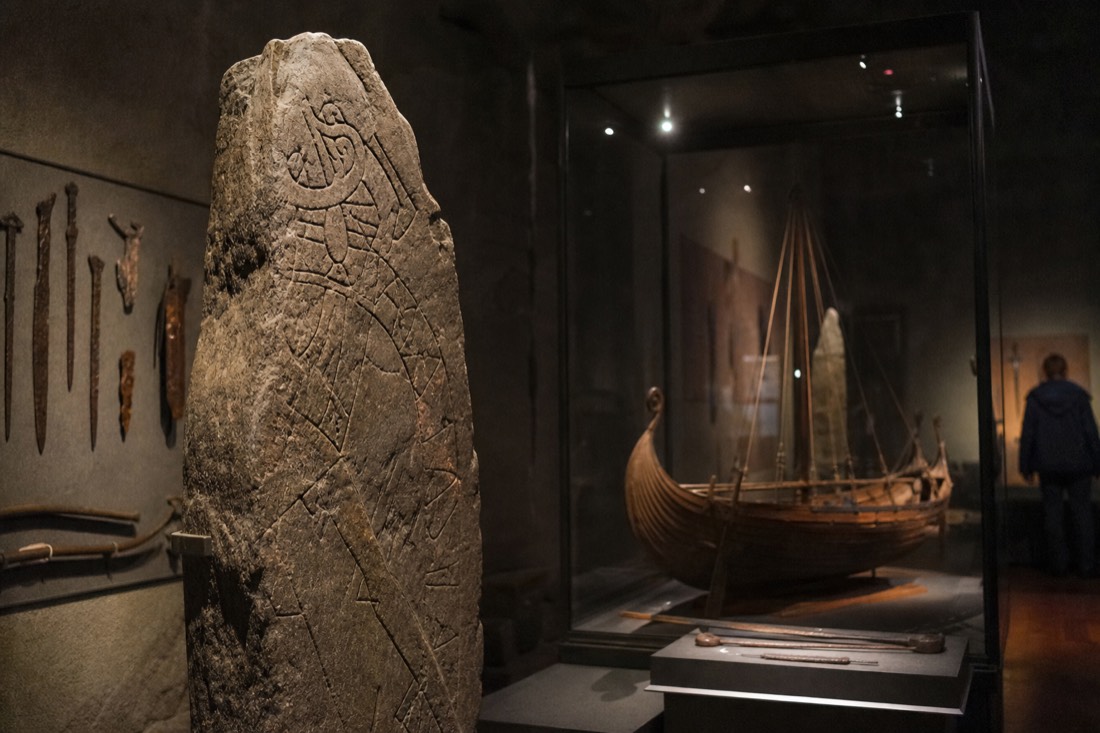
Because the heart of it is a glass-domed winter garden of palms and fountains, which turns a downpour into part of the experience. The Ny Carlsberg Glyptotek gathers ancient Egyptian, Greek and Roman sculpture with a fine run of French and Danish painting, all around that indoor garden, five minutes from the main station and Tivoli. It is one of the loveliest interiors in the city.
The Glyptotek is the museum I steer romantics and photographers toward on a wet day. The central winter garden, a soaring conservatory of palms under a glass dome, feels warmer and more alive the harder it rains outside, and the marble halls radiating off it hold the brewer Carl Jacobsen's antiquities: Egyptian sarcophagi, Roman portrait busts, a room of Rodin bronzes and a strong Degas holding. You move from cool stone galleries into that green humid centre and back again, and the weather stops mattering.
Entry is 150 DKK, 135 online, with under-18s free, and it closes on Mondays. One honest note for 2026: the antique collection is being rearranged until the first of October, so a few of the Greek and Roman rooms may be closed when you visit. The winter garden, the French painting and much else stay open throughout, and the current state of the galleries is posted at glyptoteket.com. If you are weighing it against the city's other art collections, my art museums in Copenhagen guide sets them side by side.
Where can families stay dry indoors?
Two venues are made for wet-day families and immune to the forecast: the Experimentarium in Hellerup and the Blue Planet aquarium at Kastrup. The Experimentarium is a hands-on science center with sixteen interactive zones, and the Blue Planet is Northern Europe's largest aquarium. Both keep children busy for hours, and both open daily, Mondays included.
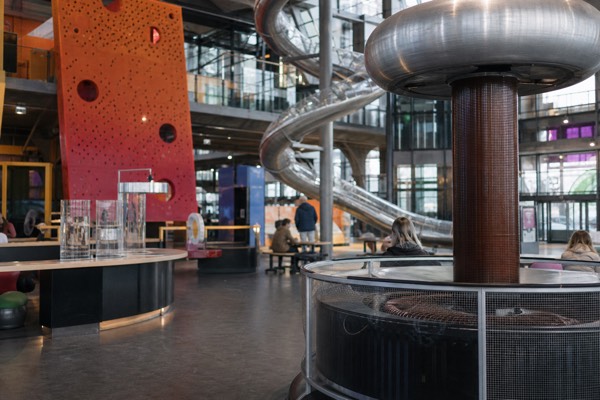
For families a rainy day is either a gift or a disaster, and these two turn it into the gift. The Experimentarium exists to be touched: kids build, launch and experiment across floors themed on the body, water, sound and light, and the tesla coil hall and the spiral Tube slide give the day its loud, happy anchor points. Rain simply does not register inside. Adult entry is 230 DKK online for ages twelve and up, 143 DKK for children two to eleven, and it opens every day from 9:30.
The Blue Planet is the other dependable wet-day family win, a whirlpool-shaped building out by the airport with a walk-through Amazon tank, hammerhead sharks and a huge ocean tank children press their faces to. It is a fifteen-minute metro ride from the centre and opens daily. Two honest cautions: adult entry is on the higher side at 219 to 229 DKK online, and the aquarium is not included on the Copenhagen Card, so a card-holding family should budget it apart. The full family-day planning, with ages and timings, is in my museums in Copenhagen for kids guide. Current prices are at denblaaplanet.dk.
Which art museums stay dry and quiet?
For a calmer wet afternoon, SMK, Designmuseum Danmark and Thorvaldsens Museum are the picks. SMK is the national gallery, large and central. Designmuseum tells the story of Danish design along its famous chair corridor. Thorvaldsens is a jewel-box museum built for one sculptor. All three are fully indoor, and two carry honest caveats worth knowing before you go.
SMK, the National Gallery of Denmark, sits by the Botanical Garden and holds the country's largest art collection, from old masters through the Danish Golden Age to modern French and Danish work. General admission is 140 DKK, under-27s pay 95, under-18s go free, and it closes Mondays. A nice wet-day tip: SMK Fridays, the museum's late events, are free to enter, which makes a rainy Friday evening one of the best-value indoor plans in town. It is not an affiliate of this site, so I simply point you to its own pages at smk.dk for tickets.
Designmuseum Danmark on Bredgade is the smaller, sharper alternative, an 18th-century former hospital now telling the story of Danish and international design through a corridor lined with the century's most famous chairs, plus ceramics, fashion and posters. Entry is 140 DKK, and it usually closes Mondays except during the high-summer daily opening. Thorvaldsens Museum on Slotsholmen, built in the 1840s for the neoclassical sculptor Bertel Thorvaldsen, is one of the most striking interiors in the city with its coloured walls and mosaic floors, at 110 DKK with under-18s free. One honesty note: its permanent painting collection is off view in 2026, with only a small basement selection showing, and the museum joins Nikolaj Kunsthal and the Copenhagen Museum in being free for all on the last Wednesday of each month. Details are at thorvaldsensmuseum.dk.
Where can you find indoor art and oddities beyond the classic galleries?
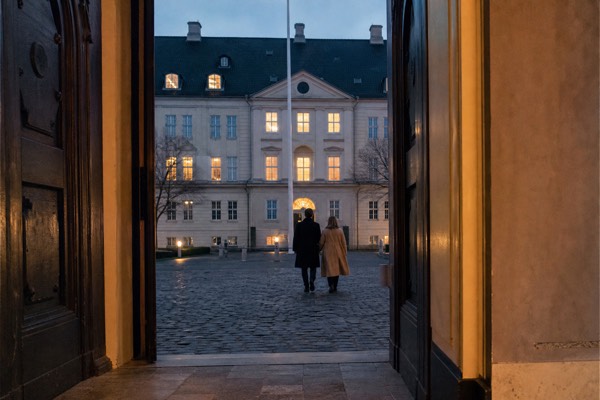
Two more indoor picks suit a wet day and a wandering mood. Copenhagen Contemporary, in a former welding hall on Refshaleoen, is built for huge walk-into installations that ordinary galleries cannot hold. Ripley's Believe It or Not on the town-hall square is the quirky, undemanding option for when the rain has worn down everyone's patience for fine art.
When you have already done a grand museum or two and just want somewhere warm and different, these are the ones I reach for. Copenhagen Contemporary occupies a raw industrial hall out on Refshaleoen in the east harbour, and it exists to show the sort of room-filling light and installation art you can walk right into. The scale is the point: works here can swallow a whole hangar, and on a grey day the drama indoors more than makes up for the harbour wind outside. It pairs neatly with a covered street-food stop at nearby Reffen when you need to warm up.
Ripley's Believe It or Not is the lighter release valve, sitting on Radhuspladsen in a cluster with a fairy-tale house and a records museum. It asks nothing of you except curiosity, which is exactly right when attention is running low, and a combo ticket rolls all the neighbours together into a longer dry afternoon. Neither of these is a solemn art pilgrimage, and that is their value on a day when the weather has already tested your patience.
How do you chain indoor museums without going back into the rain?
Stay central and cluster. The Glyptotek, the National Museum and Thorvaldsens all sit within a ten-minute walk around Slotsholmen and Tivoli, so you can do two or three in a row with only short dashes between them. A Copenhagen Card removes the ticket-desk stops, which matters most when you are wet and want to keep moving.
The secret to a good rainy day is not one great museum but a route that keeps the outdoor stretches tiny. The tightest cluster is the central one. From the Glyptotek behind Tivoli, it is a few minutes to the National Museum, and Thorvaldsens sits just across the canal on Slotsholmen, so three substantial collections line up inside a ten-minute radius. Do the Glyptotek and its winter garden first, lunch in one of the museum cafés while the rain does its worst, then cross to the National Museum for the long dry afternoon.
There is a warmth advantage to clustering too, beyond just staying dry. Each time you leave a museum you cool down and get wet, and by the third crossing of an open square in the rain the day starts to feel like a slog. Keeping the hops short means you step out of one warm hall and into the next within a couple of minutes, so the museums feel like one long shelter rather than a series of dashes. That is why I would rather send someone to three central collections in a row than to one distant museum that needs a soggy tram ride each way.
A pass smooths the whole day. The Copenhagen Card bundles free entry to more than 80 attractions with unlimited public transport across zones 1 to 99, which lets you skip every ticket queue and hop the metro out to the Experimentarium or the Blue Planet without buying separate fares. The 2026 Discover prices start at 589 DKK for 24 hours. The one thing it will not cover is the Blue Planet, the notable exception on the list, so factor the aquarium in separately. The card's current inclusions are on the official Copenhagen Card site, and my is the Copenhagen Card worth it guide works through when it pays.
| Museum | 2026 adult | On Copenhagen Card? |
|---|---|---|
| National Museum of Denmark | 150 DKK (135 online) | Yes |
| Ny Carlsberg Glyptotek | 150 DKK (135 online) | Yes |
| Experimentarium | 230 DKK | Yes |
| The Blue Planet | 219-229 DKK online | No |
| SMK, National Gallery | 140 DKK | Yes |
| Designmuseum Danmark | 140 DKK | Yes |
Which rainy-day museums are open on Mondays?
Watch this one carefully, since rain and a Monday together catch a lot of visitors. The National Museum in season, the Experimentarium and the Blue Planet stay open on Mondays. The Glyptotek, SMK and Thorvaldsens all close, and Designmuseum closes except in high summer. Plan a wet Monday around the ones that stay open.
A grey Monday is the trap I most often talk people out of. The classic art museums almost all rest on Mondays, so a visitor who wakes to rain and heads for the Glyptotek or SMK can find the doors shut and the afternoon gone. The fix is easy once you know the pattern: the family science venues and the National Museum keep Monday hours, so a wet Monday belongs to them.
If your rainy day lands on a Monday, point it at the National Museum for history, the Experimentarium for hands-on science, or the Blue Planet for the aquarium, all three of which open. Keep the Glyptotek, SMK, Thorvaldsens and, outside high summer, Designmuseum for Tuesday through Sunday. For the full picture across the city, including the sights beyond this rainy-day list, see my guide to museums open on Monday in Copenhagen. The grid below covers the wet-weather picks.
| Museum | Monday | Typical hours |
|---|---|---|
| National Museum of Denmark | Open Apr-Oct | Daily 10-17 |
| Experimentarium | Open | Daily 9:30-17 |
| The Blue Planet | Open | Mon to 21, Tue-Sun to 17 |
| Ny Carlsberg Glyptotek | Closed | Tue-Sun 10-17, Thu to 21 |
| SMK, National Gallery | Closed | Tue-Sun 10-18, Wed to 20 |
| Designmuseum Danmark | Closed except summer | 10-18, Thu to 20 |
| Thorvaldsens Museum | Closed | Tue-Sun 10-17 |
Know before you go
Check the Monday closures first, book the popular indoor venues ahead on wet weekends when everyone else has the same idea, and keep your route central so the walk between museums is short. A Copenhagen Card speeds a multi-museum day, but remember it leaves out the Blue Planet, so budget the aquarium on its own.
Two habits make a rainy day run smoothly. The first is checking which museums open before you set out, because a wet Monday spent staring at a locked Glyptotek is the classic avoidable mistake. The second is booking ahead when rain hits a weekend, since a downpour sends every other visitor toward the same indoor halls and the queues build fast at the National Museum and the aquarium.
Beyond that, keep it simple and central. The tight Slotsholmen and Tivoli cluster means you can chain two or three big collections with only minutes of drizzle between them, which beats trekking across town to a single distant museum. If the forecast is genuinely settled in for your whole trip, fold these indoor picks into a wider plan using my Copenhagen in 3 days itinerary, which already knows how to route a museum day around the weather.
Common questions about a rainy day in Copenhagen
Which museums are best when it rains?
The ones deep enough to fill a grey day: the National Museum of Denmark, the Ny Carlsberg Glyptotek, the Experimentarium, the Blue Planet, SMK, Designmuseum Danmark and Thorvaldsens Museum. All are fully indoor from the door onward, and the central four sit close enough to walk between under one umbrella.
What if the rain lands on a Monday?
Then point the day at the three that open. The National Museum in season, the Experimentarium and the Blue Planet all keep Monday hours. The Glyptotek, SMK and Thorvaldsens close, and Designmuseum closes except in high summer, so a wet Monday spent walking to a locked art museum is the classic avoidable mistake.
Which indoor museums can you chain without a long walk?
Stay central. The Glyptotek sits behind Tivoli, the National Museum is a few minutes further, and Thorvaldsens is just across the canal on Slotsholmen, so three substantial collections line up inside a ten-minute radius. Do the Glyptotek first, lunch in a museum cafe while the rain does its worst, then cross for the afternoon.
Is all of the Glyptotek open?
The antique collection is being rearranged until the first of October, so a few of the Greek and Roman rooms may be shut when you visit. The glass-domed winter garden of palms, the French painting and much else stay open throughout. Entry is 150 DKK, or 135 online, with under-18s free, and it closes Mondays.
Where do families go on a wet day?
The Experimentarium in Hellerup and the Blue Planet at Kastrup. The science center is hands-on across floors themed on the body, water, sound and light, at 230 DKK for ages twelve and up and 143 DKK for children two to eleven. The aquarium is a fifteen-minute metro ride out, and it is not on the Copenhagen Card.
Is there a free or cheap indoor option in the rain?
SMK Fridays, the national gallery's late events, are free to enter, which makes a rainy Friday evening one of the best-value indoor plans in town. Thorvaldsens Museum costs 110 DKK with under-18s free, and it joins Nikolaj Kunsthal and the Copenhagen Museum in being free for all on the last Wednesday of the month.
Does the Copenhagen Card help on a wet day?
It smooths one. The card bundles free entry to more than 80 attractions with unlimited public transport across zones 1 to 99, so you skip every ticket queue and hop the metro out to the Experimentarium or the aquarium without buying fares. Prices start at 589 DKK for 24 hours, and the Blue Planet is not covered.
Should you book ahead if rain hits a weekend?
Yes, that is when it matters. A downpour sends every other visitor toward the same indoor halls, and queues build fast at the National Museum and the aquarium. Booking a slot means you walk straight in rather than standing in the drizzle. Keeping the route central helps too, since short hops between doors beat trekking across town to one distant museum.
History, Hands-On Science Or Several Museums?
General recommendation; adjust it below for your plans.
Have your Copenhagen date in mind? Check Private National Museum Tour before arranging the rest of your itinerary.
Choose the two-hour museum option for a focused visit, including permanent-collection admission. Meet at the Lur Blowers column, City Hall Square. Transfers and Christiansborg require longer options. English is offered.
Compare Options And Adjust My Plan
Choose the experience you want, then check its exact option, language, party ages and dates with the provider. This tool does not confirm availability or individual eligibility.
Viator scheduled dates. Availability and final price are confirmed on Viator.
Choose a date to inspect the published schedule. You can also continue directly to Viator.