Is the Copenhagen Card Worth It in 2026? A Real Cost Breakdown
Is the Copenhagen Card worth it in 2026? Real 589 to 1,419 DKK prices, what's included, the break-even maths against door tickets, and who should skip it.
 By Anders Nielsen, Copenhagen Museums Specialist & Cultural Guide

I spend a lot of my working week standing next to people doing mental arithmetic at ticket desks. They have a card in one hand, a phone with a fare app in the other, and a look that says they are not sure they made the right call. The Copenhagen Card is the single most common thing I get asked about, more than any museum on this site, and the honest answer is not a clean yes or no. It depends on how you travel, how far you range, and how many gates you plan to walk through.
So this is the version of the answer I give in person, with the real 2026 numbers rather than a sales pitch. I will show you what the card costs, exactly what it covers, where it quietly saves you money on transport you would not think to count, and the one popular attraction it leaves off. Then I will do the break-even maths with real door prices so you can see, for your own trip, whether the card pays for itself or sits unused in your pocket.
Is the Copenhagen Card worth it in 2026?
The Copenhagen Card is worth it when the included admissions and transport you will actually use cost more than the pass. Two or three museum visits alone do not guarantee a saving. If you travel slowly, favour free sights, or centre your trip on one attraction the card does not cover, you will likely spend less paying at the door.
The card is a bet on volume. It bundles free entry to more than 80 attractions with unlimited public transport across the whole Capital Region, so its value climbs with every gate you pass and every train you board. Visitors who like to see a lot in a short time, who cluster three or four sights into a day, and who happily ride the metro out to the airport-side aquarium or the train up the coast, usually come out well ahead.
The people it does not suit are just as real. If your idea of a good day is one museum, a long lunch, and a walk along the harbour, you may only trigger a fraction of the card's value. Slow travellers, budget travellers who lean on the free David Collection and the last-Wednesday free days, and anyone building a trip around a single attraction should run the numbers before buying. The rest of this guide gives you the tools to do exactly that, starting with the price.

What does the Copenhagen Card cost in 2026?
The 2026 Copenhagen Card Discover runs from 589 DKK for 24 hours up to 1,419 DKK for 120 hours, for one adult. In between it is 859 DKK for 48 hours, 1,039 DKK for 72 hours, and 1,219 DKK for 96 hours. One adult can bring up to two children under 12 free on transport, and children need their own low-priced card for attraction entry.
The pricing is a single sliding scale by duration, and the per-hour cost drops the longer you buy. A 24-hour card looks expensive against one museum ticket, but the 120-hour card is only about 2.4 times the price of the 24-hour one while giving you five times the days. That structure rewards travellers who commit to a busier, longer sightseeing run. You can confirm the live figures on the official Copenhagen Card site, which also shows the euro and dollar equivalents.
There is a second version, the Copenhagen Card Hop, that limits transport to hop-on hop-off buses and a smaller list of central attractions. The all-inclusive Discover card, the one nearly everyone means when they say Copenhagen Card, is the one priced below. Those are the numbers I use for every calculation in this guide.
| Duration | Adult price (DKK) | Approx. EUR | Approx. USD |
|---|---|---|---|
| 24 hours | 589 | 79 | 92 |
| 48 hours | 859 | 115 | 134 |
| 72 hours | 1,039 | 139 | 162 |
| 96 hours | 1,219 | 164 | 190 |
| 120 hours | 1,419 | 190 | 222 |

What is included in the Copenhagen Card?
The card gives free entry to more than 80 attractions plus unlimited public transport across zones 1 to 99, which is the entire Capital Region. That transport reach covers the airport metro, the harbour buses, and the regional trains out to Humlebaek, Hillerod and Helsingor, so day trips ride free. The big-name museums are nearly all on the list, with one notable exception.
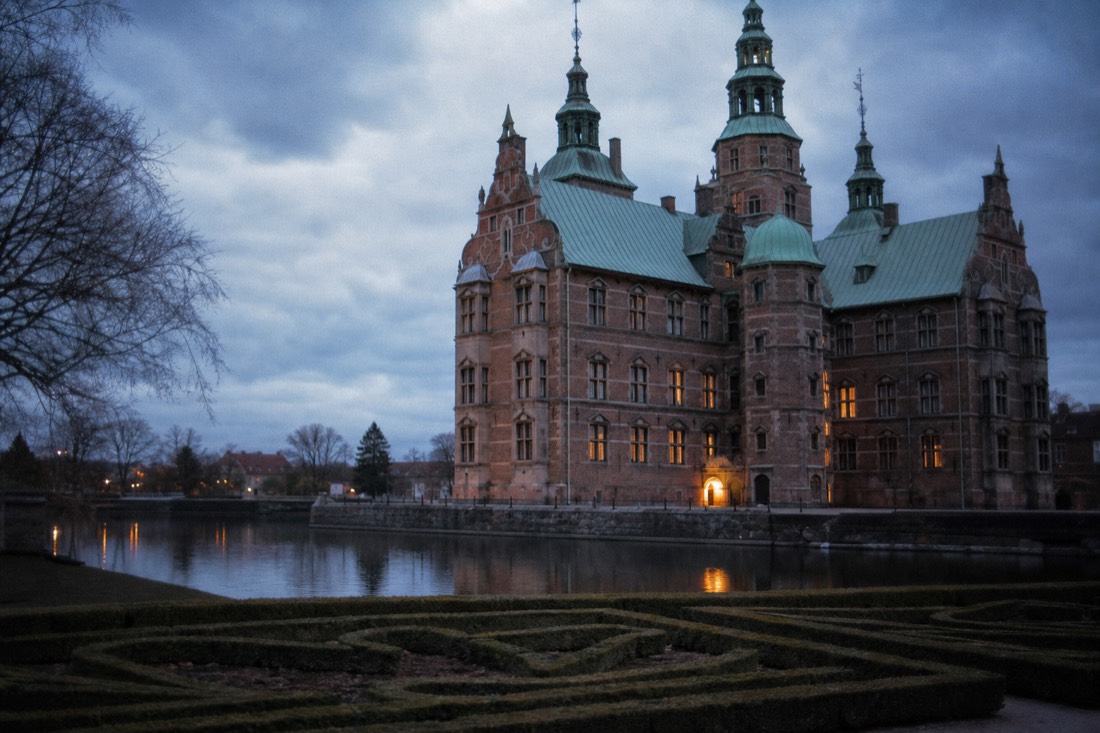
Start with the museums, because that is where the headline value sits. The National Museum of Denmark, Rosenborg Castle, Christiansborg Palace, Amalienborg, the Ny Carlsberg Glyptotek, SMK, Designmuseum Danmark, the Experimentarium and Tivoli entry are all included, along with the two great castle day trips at Kronborg and Frederiksborg and the Louisiana Museum up the coast. For a museum-led trip that is most of your itinerary already paid for.
The transport is the part people undercount. The card is a full zone 1 to 99 travel pass, so every metro ride, every city bus, every S-train and harbour bus is covered, including the M2 line straight from the airport. It also covers the regional trains that carry you out to the coast, which matters because those fares are higher than a city hop and add up quickly on a day-trip-heavy plan. The official inclusions list is kept current on the Copenhagen Card site.
Families get a quiet extra here. One adult card lets you bring up to two children under 12 free on public transport, so a parent moving kids around the city all day pays nothing more for their rides. Attraction entry for those children still needs a cheap child card, but the transport saving alone takes a real bite out of a family day. Combined with under-18s entering most museums free, the card's maths shifts noticeably once children are in the group, which is worth folding into your own sums rather than pricing the card as if everyone paid adult rates.
Now the exception, because honesty is the whole point of this page. The Blue Planet, Denmark's national aquarium out at Kastrup, is not on the Copenhagen Card. The card lists a different, smaller aquarium instead. If the Blue Planet is a fixed point in your trip, and for families it often is, you will pay its separate gate price on top of any card. You can check its own admission on the Blue Planet site.
| Attraction | On the Copenhagen Card? |
|---|---|
| National Museum of Denmark | Included |
| Rosenborg Castle | Included |
| Christiansborg Palace | Included |
| Amalienborg | Included |
| Ny Carlsberg Glyptotek | Included |
| SMK, National Gallery | Included |
| Designmuseum Danmark | Included |
| Louisiana (Humlebaek) | Included |
| Kronborg and Frederiksborg castles | Included |
| Experimentarium | Included |
| Tivoli Gardens entry | Included (rides extra) |
| The Blue Planet aquarium | Not included |

How many museums do you need to break even?
At 589 DKK for 24 hours, compare your exact total rather than a fixed museum count. Three 150 DKK admissions total 450 DKK, leaving 139 DKK to cover through other included visits or transport before you break even.
The maths is easiest to see with real gate prices. Below are the 2026 adult door rates for the museums most people actually queue for. Under-18s enter every one of them free, which changes the sum for families and is worth holding in mind. Prices come from each museum's own site and match the figures on their ticket pages.
| Museum | 2026 adult door price | On the card? |
|---|---|---|
| Christiansborg Palace (full ticket) | 225 DKK | Included |
| National Museum of Denmark | 150 DKK | Included |
| Rosenborg Castle | 150 DKK | Included |
| Ny Carlsberg Glyptotek | 150 DKK | Included |
| Kronborg Castle | 150 DKK | Included |
| Louisiana Museum | 145 DKK | Included |
| SMK, National Gallery | 140 DKK | Included |
| Amalienborg | 135 DKK | Included |
Line those up and the picture is clear. Three of the 150 DKK museums come to 450 DKK, leaving a 139 DKK gap to a 589 DKK card. Only transport or extra attractions you would otherwise pay for can close that gap. Where the card really pulls ahead is the day trip. The regional train out to Humlebaek or Helsingor is a longer, pricier ride than a city hop, and the card swallows it whole alongside the museum at the other end.
One honest wrinkle keeps the comparison fair. Several museums shave money off if you book online rather than at the door: the National Museum drops to 135 DKK, Rosenborg to 140, Christiansborg's full ticket to 215. That trims the door-price advantage the card enjoys, so plug in the online rates if you are the organised type who books ahead. Use the lower online admission price when it is available for your date, and count only the transport you need. That can change which option wins.
What does a real two-day plan cost with and without the card?
Take a common 48-hour itinerary: a central palace-and-museum day, then a day trip up the coast. Paid at the door, the entries alone come to around 820 DKK before any transport. A 48-hour Copenhagen Card is 859 DKK and covers every one of those entries plus all the trains and buses, so once you add the coastal fares the card comes out ahead and buys you slack for more sights.
Here is that itinerary priced out. Day one is Christiansborg, Rosenborg and the National Museum in the centre. Day two rides the coast line to Louisiana at Humlebaek in the morning and on to Kronborg at Helsingor in the afternoon, a genuinely doable pairing on one card. The entry column uses the real 2026 door prices; the transport rows are what you would buy separately without a card.
| Item | Pay at the door | Running total |
|---|---|---|
| Christiansborg Palace (full) | 225 DKK | 225 DKK |
| Rosenborg Castle | 150 DKK | 375 DKK |
| National Museum of Denmark | 150 DKK | 525 DKK |
| Louisiana Museum | 145 DKK | 670 DKK |
| Kronborg Castle | 150 DKK | 820 DKK |
| City transport, two days | Paid separately | above 820 DKK |
| Regional trains up the coast | Paid separately | well above 859 DKK |
The entries alone, at 820 DKK, already sit within touching distance of the 859 DKK card, and neither day is possible without a good deal of transport. Add the city metro and the higher regional fares out to the coast and the door route pushes past the card price with nothing to show for it but tickets. The card buyer, meanwhile, has spare capacity: if you add the Glyptotek or Amalienborg on the way past, it costs you nothing more.
The one honest caveat is pace. This plan works only if you actually visit all five. Squeeze it into a relaxed schedule where you drop one museum and skip a train, and the gap narrows. That is why the card is a bet on how you travel, not a guaranteed win, and why the counter-case below deserves a fair hearing.
Who should skip the Copenhagen Card?
Skip it if you are a slow traveller doing one thing a day, if your trip centres on the Blue Planet or another attraction the card leaves off, or if you plan to lean on Copenhagen's free options. In those cases you will pay less at the door, and a transport-only City Pass may cover everything else you need.
The clearest case for skipping is the single-anchor trip. If you have come for the Blue Planet and little else, the card does not include it, so you would be paying twice: once for the card, once at the aquarium gate. The same logic applies to anyone building a day around Rundetaarn, which sells tickets only at the door for a modest 60 DKK and is not worth a card on its own.
Slow travellers are the other group. If you like one museum, a long café stop and an afternoon walk, you may only trigger 150 to 300 DKK of value a day against a 589 DKK card. Copenhagen also rewards the frugal: the David Collection is free year-round, many traditional museums admit under-18s free, but science centres and family attractions have separate age-based charges, and three museums now run a free last Wednesday of the month. I lay all of that out in the guide to free museums in Copenhagen, and if your travel is mostly getting around town rather than paying entries, the Copenhagen Card versus City Pass comparison shows when a cheaper transport-only pass wins.
For a slower art-led trip, one central museum can carry a whole afternoon on its own. The Glyptotek, with its antiquities under a palm-filled winter garden, is exactly that kind of place, and paying its single 150 DKK entry may serve you better than a card you never fill.
Which card length should you buy?
Match the card to your museum days, not your total trip length. A three-night stay with two heavy sightseeing days is a 48-hour card, activated on the morning of your first big day. Buy the 72 or 96-hour version only if you genuinely have that many attraction-packed days, since the card counts real hours from activation, not calendar days.
The trap is buying a card for every day you are in town, including the arrival evening and the departure morning when you will barely leave the neighbourhood. The card clock starts when you activate it in the app and runs continuously, so a 48-hour card activated at 10am Tuesday expires at 10am Thursday. Plan your two or three busiest days as a block, then activate the card at the start of that block.
| Your trip shape | Best card length |
|---|---|
| One packed sightseeing day | 24 hours |
| Two heavy days, one central and one day trip | 48 hours |
| Three museum days across a long weekend | 72 hours |
| A week with four full days out | 96 or 120 hours |
How do you get the most out of a Copenhagen Card?
Front-load the expensive attractions into the card window, use the transport hard, and plan at least one day trip up the coast where the free regional train pays for a big slice of the card by itself. Activate it on a full day, not an arrival evening, and cluster sights by neighbourhood so you are not doubling back.
The single best move is a coastal day trip. The coastal regional trains to Humlebæk and Helsingør and the S-train to Hillerød cover the three greatest museums outside the city, Louisiana, Frederiksborg and Kronborg, and those train fares are the priciest transport you would otherwise buy. Put a day trip inside your card window and the transport savings alone do heavy lifting. The rest is discipline: see the dear attractions while the clock runs, and save the free David Collection or a harbour walk for a day when the card is not active.
Cluster by area to save time as well as money. Slotsholmen holds Christiansborg and the War Museum a few steps apart; the King's Garden puts Rosenborg beside the David Collection; the central strip links the National Museum, the Glyptotek and Tivoli.
A fuller planning read that puts the card to work sits in the Louisiana day trip guide. General trip pacing is well covered on VisitCopenhagen. Whatever you decide, base it on your own count of paid sights and rides, not on a headline price.
Cost check: Three admissions at 150 DKK total 450 DKK. Against a 589 DKK card, add 139 DKK of genuinely needed included travel or visits before claiming a saving.

The bottom line has not moved in years of me answering this at ticket desks. Count your paid attractions, add the transport you will actually use, and compare that honestly to the card price for the days you will use it. A busy itinerary with regional trips can make the pass worthwhile, but the total has to exceed the pass price. Do less than that, or centre on the aquarium, and your money is better spent one ticket at a time.
Common questions about the Copenhagen Card
What does the Copenhagen Card cost in 2026?
Adult prices run 589 DKK for 24 hours, 859 for 48, 1,039 for 72, 1,219 for 96 and 1,419 for 120. The per-hour cost drops the longer you buy, so the 120-hour card is only about 2.4 times the 24-hour price for five times the days. One adult brings up to two children under 12 free on transport.
How many museums do you need to break even?
There is no fixed museum count. Three 150 DKK admissions total 450 DKK, which is 139 DKK below a 589 DKK day card. Add only the transport and further included visits you would actually buy.
Is the Blue Planet aquarium included?
No. Denmark's national aquarium out at Kastrup is not on the Copenhagen Card, which lists a different, smaller aquarium instead. If the Blue Planet is a fixed point in your trip, and for families it often is, you pay its separate gate price on top of any card. Check its own admission on the aquarium's site.
Does the card cover public transport as well?
Yes, all of it. The card is a full zone 1 to 99 travel pass, so every metro ride, city bus, S-train and harbour bus is covered, including the M2 line straight from the airport. It also covers the regional trains out to Humlebaek, Hillerod and Helsingor, which means coastal day trips ride free.
Which card length should you buy?
Match the card to your museum days, not your total trip length. A three-night stay with two heavy sightseeing days wants the 48-hour card, activated on the morning of the first big day. The clock counts real hours from activation, so a 48-hour card started at 10am Tuesday dies at 10am Thursday.
Who should skip the Copenhagen Card?
Slow travellers doing one thing a day, anyone whose trip centres on the Blue Planet or another attraction the card leaves off, and budget travellers leaning on free options. One museum, a long lunch and an afternoon walk may only trigger 150 to 300 DKK of value against a 589 DKK card.
Do online ticket discounts make the card less worthwhile?
A little, though rarely enough to flip the answer. Several museums shave money off if you book ahead: the National Museum drops to 135 DKK, Rosenborg to 140, the full Christiansborg ticket to 215. That discount touches only the entries, while the card also covers all the transport those entries assume you will pay for separately.
Is the card better value for families?
Often, yes. One adult card carries up to two children under 12 free on public transport, and under-18s enter nearly every included museum free anyway. Children still need their own low-priced card for attraction entry, so price the group honestly rather than running the sums as if everyone paid full adult rates.
Does Your Itinerary Justify A Pass?
General recommendation; adjust it below for your plans.
Have your Copenhagen date in mind? Check Copenhagen Card DISCOVER before arranging the rest of your itinerary.
Digital attraction pass with Capital Region public transport. Activate in the app before use. Tivoli rides cost extra; compare your itinerary total before buying.
Compare Options And Adjust My Plan
Choose the experience you want, then check its exact option, language, party ages and dates with the provider. This tool does not confirm availability or individual eligibility.
Viator scheduled dates. Availability and final price are confirmed on Viator.
Choose a date to inspect the published schedule. You can also continue directly to Viator.