Opens the museum's own website. Book on the official site; nothing is charged on this page.
Area
Lyngby (day trip, ~25 min by train)
Theme
History & culture
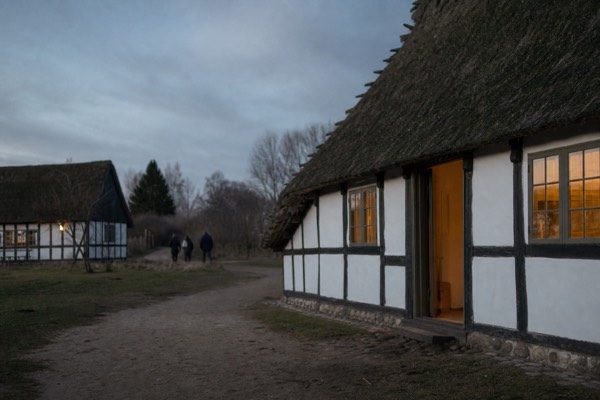
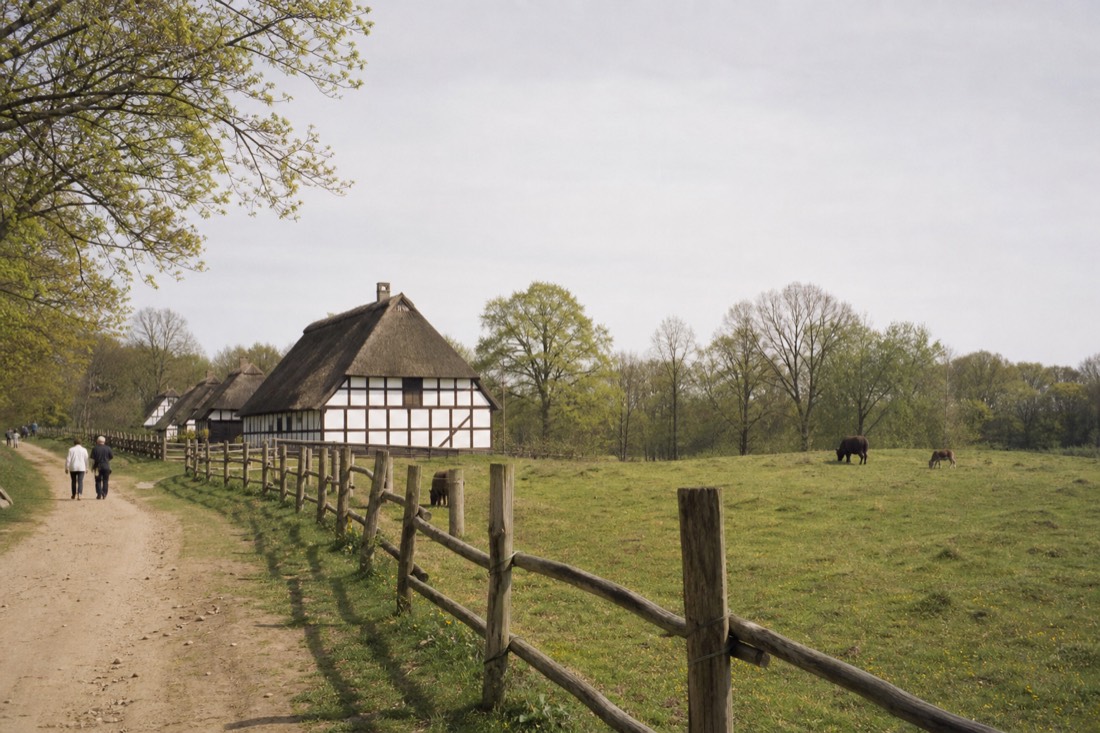
Timber farmhouses stand in real fields, smoke drifts from a thatched roof, and horses and geese move between the buildings as they would have two centuries ago. Frilandsmuseet, the open-air museum at Lyngby, has gathered dozens of historic Danish houses, mills and cottages onto one vast green site north of the city. It is part of the National Museum, and on a dry day it is one of the most relaxed half-days near Copenhagen.
What will you see at Frilandsmuseet?
You see dozens of original farmhouses, cottages, windmills and watermills, taken down from across the old Danish realm and rebuilt here in real fields. Heritage-breed horses, cattle, sheep, geese and hens live among them, with period gardens and, in season, costumed interpreters and wagon rides. It is a whole historic countryside laid out to walk through.
Frilandsmuseet is one of the oldest and largest open-air museums in the world, founded in 1897. The buildings are the real thing: farms, mills and homes carefully dismantled from their original sites in Denmark, Scania in what is now Sweden, Schleswig and even the Faroe Islands, then reassembled here. Each is furnished to its own time and region, so you step from a poor cottage into a prosperous farm as you walk.
The animals bring it to life. Old Danish breeds of horse, cattle, sheep, pigs and poultry are kept on the grounds, grazing the fields and pens the way farm animals would have when the buildings were in use. Vegetable plots and orchards are planted to period, so even the gardens tell you about the households that once lived here.
In the warmer months the site adds costumed staff who demonstrate old crafts and trades, horse-drawn wagon rides between the farms, and folk-dancing and workshop days. The scale is the point: this is not a single building but a landscape you roam, and children in particular tend to run with it. Wear proper shoes, because you cover real ground.
Part of the pleasure is how quiet it can be. Away from the entrance, you can walk a lane between a mill and a farmstead and hear little but geese and wind, which is rare this close to a capital. The buildings are spread out on purpose, recreating the distances of the old countryside, so the museum reads less like an exhibit and more like a place you have wandered into by chance.
How do Frilandsmuseet tickets work, and is it still free?
No, Frilandsmuseet is no longer free. Adult admission in season is around 145 DKK, and under-18s enter free. Older guides that call it free are out of date. The museum is part of the National Museum and opens seasonally, mainly through the warmer months, so check the current price and open days on frilandsmuseet.dk before you go.
The free-entry reputation is the thing to correct first, since a lot of visitors still arrive expecting no charge. As of 2026 adults pay, though children and teenagers under 18 continue to enter free, which keeps a family day affordable. One ticket covers the whole open-air site, all the farms, mills and grounds, with no separate charges inside.
Being an outdoor museum, it runs on a season rather than year-round daily hours, so the opening calendar matters more here than at an indoor museum. Confirm both the current adult price and the exact open days on the museum's own site before you travel, especially outside high summer. The figures below reflect the current 2026 season.
Ticket
Price (2026)
Notes
Adult, in season
Around 145 DKK
Covers the whole open-air site
Under 18
Free
Full access
Opening
Seasonal
Mainly the warmer months, see site
Where to buy
Door or frilandsmuseet.dk
Part of the National Museum
What can families do at the open-air museum?
Families get a lot of room to roam. Children can meet the heritage animals, watch old crafts being demonstrated in season, ride a horse-drawn wagon between the farms, and simply run in the open fields and orchards. With space to move and animals to see, it suits younger kids better than a quiet indoor gallery, and under-18s enter free.
The open layout is the family advantage. Instead of hushed rooms, you get lanes, meadows and farmyards where children can walk into old houses, peer into barns and follow the animals along the fences. On event days there are hands-on activities, from period games to craft demonstrations, and the wagon rides are usually a highlight for small visitors.
Come prepared for a day outdoors. There is a cafe and picnic space, but the site is large and exposed, so pack for the weather, bring water and wear shoes that cope with grass and gravel. A dry, bright day turns this into one of the best value family outings near the city, blending fresh air, animals and history without a screen in sight.
It also teaches without feeling like a lesson. Stepping from a labourer's one-room cottage into a wealthy farmer's house, children see the gap between rich and poor in a way a textbook cannot show, and the working smithy, dairy and bakery on event days put real trades in front of them. Bring a picnic, plan a loop that ends near the animals, and the history lands almost by accident.
How long do you need at Frilandsmuseet?
Plan two to three hours, and a half-day if you have children or the weather is good. The grounds are large, so even a brisk visit involves real walking, and families with young kids easily fill an afternoon between the animals, the wagon rides and the farmhouses. There is no way to rush it, and no reason to.
Because the museum is a landscape rather than a corridor of rooms, how long you stay depends on how much you wander. A focused adult visit picking out the best farms and mills takes a couple of hours. Add the cafe, the animals and a wagon ride with children, and you are into a comfortable half-day out of the city.
The seasons shape the visit as much as the clock does. Spring brings lambs and blossom in the period orchards, high summer brings the fullest run of crafts and rides, and early autumn is quiet and golden across the fields. None of it works well in heavy rain, so a flexible date beats a fixed one if you can manage it.
Give yourself margin for the season and the walking. In high summer the site is at its liveliest, with the most staff and events on, so it is worth arriving earlier in the day to see everything at an easy pace. Combine it with the ride out from the city and this becomes a full, unhurried day rather than a quick stop.
Know before you go: hours, season and getting there
Frilandsmuseet is at Kongevejen 100 in Kongens Lyngby, north of Copenhagen. Take the S-train on line B toward Hillerod to Sorgenfri station, about 25 minutes from the centre, then a short walk. It opens seasonally, mainly through the warmer months and often closed on Mondays, so confirm the day's hours on frilandsmuseet.dk first. Under-18s go free.
The S-train is the simple way out. Line B toward Hillerod reaches Sorgenfri in around 25 minutes from central stations, and from there the museum is a walk of a few minutes. The Copenhagen Card covers this S-train journey within its transport zones, though you should check the card's attraction list to see how entry to the museum is handled before relying on it.
Because it is an open-air site, the season and the weather drive everything. It runs on seasonal hours rather than year-round daily opening, and a wet day is far less rewarding than a dry one. The at-a-glance table below sums up the essentials, and the museum's live opening calendar and admission sit on its own site. You can price the transport pass on the Copenhagen Card site.
At a glance
Detail
Address
Kongevejen 100, Kongens Lyngby
Nearest station
Sorgenfri (S-train line B), short walk
Journey
About 25 minutes from central Copenhagen
Opening
Seasonal, often closed Mondays, see site
Under 18
Free entry
Part of
The National Museum of Denmark
What can you pair with Frilandsmuseet nearby?
Frilandsmuseet is the open-air arm of the National Museum, so the most natural pairing is the National Museum itself back in the city centre, where the indoor collections tell the story the farms show outdoors. For a family day, the hands-on Experimentarium science centre is over toward Hellerup on the way back. Both make an easy same-day combination.
To join the two halves of the same institution, pair this with the National Museum of Denmark on another day or the same one, moving from real farmhouses in the fields to the Viking hall and prehistory rooms downtown. It is the clearest way to see how everyday Danish life fits into the longer national story.
Travelling with children, the Experimentarium science centre at Hellerup sits on the way back toward the city and works as a hands-on, indoor follow-up if the weather turns. A Copenhagen Card covers the S-train and Metro that link these stops, and you can check the current inclusions on the Copenhagen Card site.
Questions people ask
Is Frilandsmuseet free?
No, not any more. Adult admission in season is around 145 DKK, though under-18s still enter free. Older guides that call it free are out of date. As an outdoor museum it opens seasonally, so check the current price and open days on frilandsmuseet.dk.
How much are Frilandsmuseet tickets in 2026?
Adult entry in season is around 145 DKK, and under-18s go free. One ticket covers the whole open-air site. Because opening is seasonal, confirm the current price and the day's hours on the museum's own website before you travel.
How do I get to Frilandsmuseet from Copenhagen?
Take the S-train on line B toward Hillerod to Sorgenfri station, about 25 minutes from the centre, then walk a few minutes to the entrance at Kongevejen 100 in Kongens Lyngby. The Copenhagen Card covers this S-train journey.
What is there to see at Frilandsmuseet?
Dozens of original historic farmhouses, cottages, windmills and watermills moved here from across the old Danish realm, set in real fields with heritage-breed animals and period gardens. In season there are costumed interpreters, craft demonstrations and horse-drawn wagon rides.
Is Frilandsmuseet good for kids?
Very. Children can meet farm animals, ride a horse-drawn wagon in season and roam the open fields and old houses, and under-18s enter free. The space to move makes it easier with young children than a quiet indoor gallery.
How long should I spend at Frilandsmuseet?
Plan two to three hours, or a half-day with children or in fine weather. The grounds are large and involve real walking, so families easily fill an afternoon between the animals, the wagon rides and the farmhouses.
Is Frilandsmuseet open in winter?
It runs mainly on a warmer-season calendar rather than year-round daily opening, and it is often closed on Mondays. Because it is an outdoor museum, the season and weather matter, so check the current opening days on frilandsmuseet.dk before visiting.
Is Frilandsmuseet part of the National Museum?
Yes. Frilandsmuseet is the open-air arm of the National Museum of Denmark, which is why it pairs so well with the indoor national collections in the city centre for a fuller picture of Danish life.
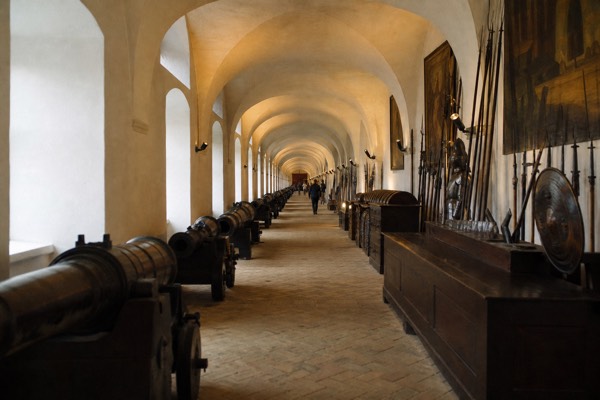
Central Copenhagen, Slotsholmen · Five centuries of arms in the Royal Arsenal
Housed in Christian IV's 1604 Royal Arsenal, with a 163-metre cannon hall on the ground floor and 500 years of Danish military history above. Quieter than the big-name palaces and consistently well reviewed.
Central Copenhagen, Frederiksholms Kanal · Denmark's story from the Vikings to now
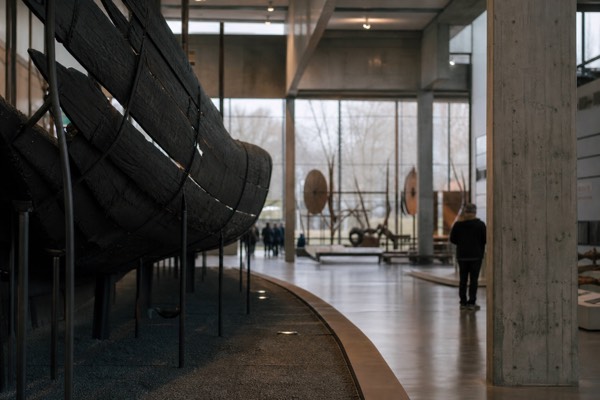
Denmark's largest cultural-history museum runs from Stone Age tools and the Sun Chariot through a world-class Viking hall and into ethnographic and modern collections. Adult admission is now paid; under-18s go free.
Central Copenhagen, Romersgade · Everyday Danish life since the 1800s
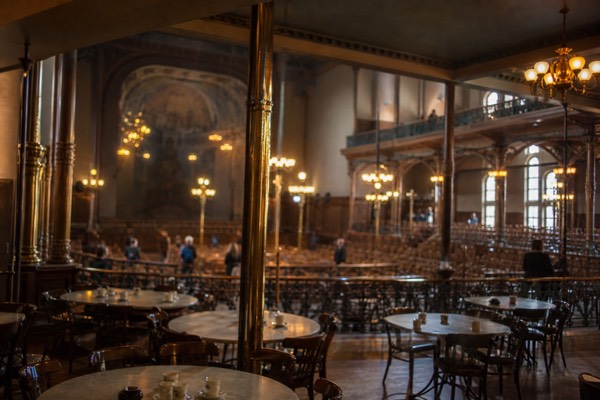
The story of ordinary working Copenhageners, set in the original 1879 workers' assembly hall, with a preserved family apartment, a period coffee shop and strong social-history exhibitions. An easy, human counterpoint to the palaces.