Opens the official listing with live dates and prices. Book there; nothing is charged on this site.
Area
Central Copenhagen, behind Tivoli
Theme
Art museums
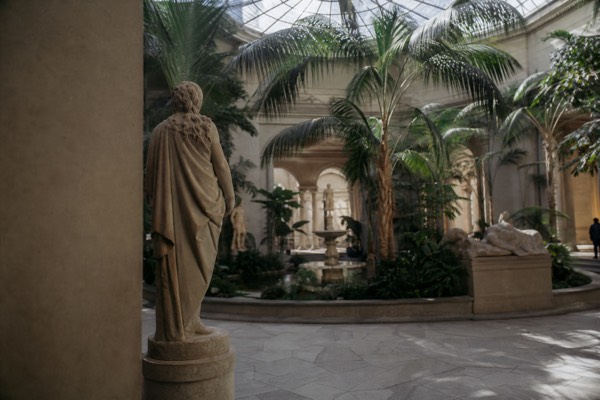
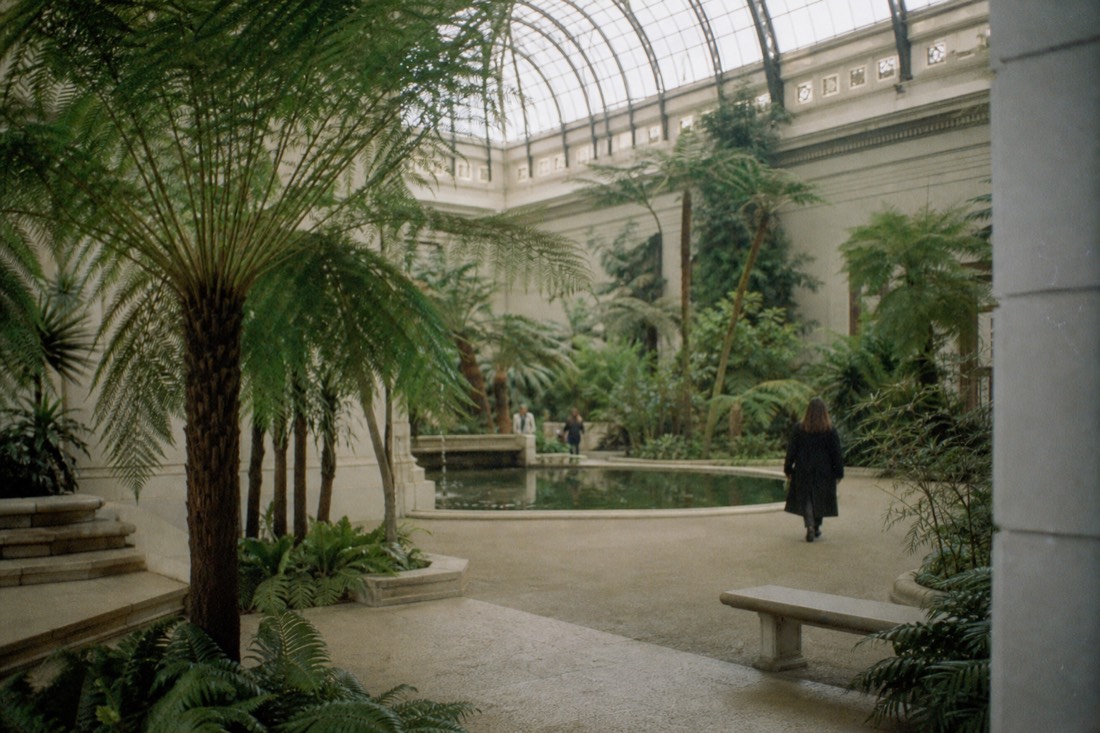
Step in from Dantes Plads and the first thing to reach you is not marble but green. Under a high glass dome at the heart of the building, tall palms rise over a round pool, and Kai Nielsen's bronze Water Mother lies back in the middle of it with a cluster of infants climbing over her. The Ny Carlsberg Glyptotek is an antiquities collection, a French and Danish art gallery, and a winter garden all under one roof, gathered by the brewer Carl Jacobsen and handed to the city that made him rich.
What will you see inside the Glyptotek?
The Glyptotek splits into two worlds: ancient art from Egypt, Greece, Rome and Etruria in one wing, and French and Danish art of the last two centuries in the other. The headline holdings are the largest group of Rodin sculpture outside France, a full set of Degas bronzes, and the domed palm garden at the centre. One ticket covers all of it.
The antiquities are how the collection began. Carl Jacobsen bought ancient sculpture on a scale no private Dane had before, and the result is one of the strongest Roman portrait collections anywhere: rows of emperors and ordinary citizens carved from marble, their faces still sharp. Around them sit Egyptian sarcophagi and mummies, Greek grave reliefs, and a rare run of Etruscan pieces. One honest note for 2026: the museum is rearranging part of its antiquities display through the end of September, so some Greek and Roman rooms may be closed or half-emptied while that work goes on. The French and Danish galleries and the winter garden stay open throughout.
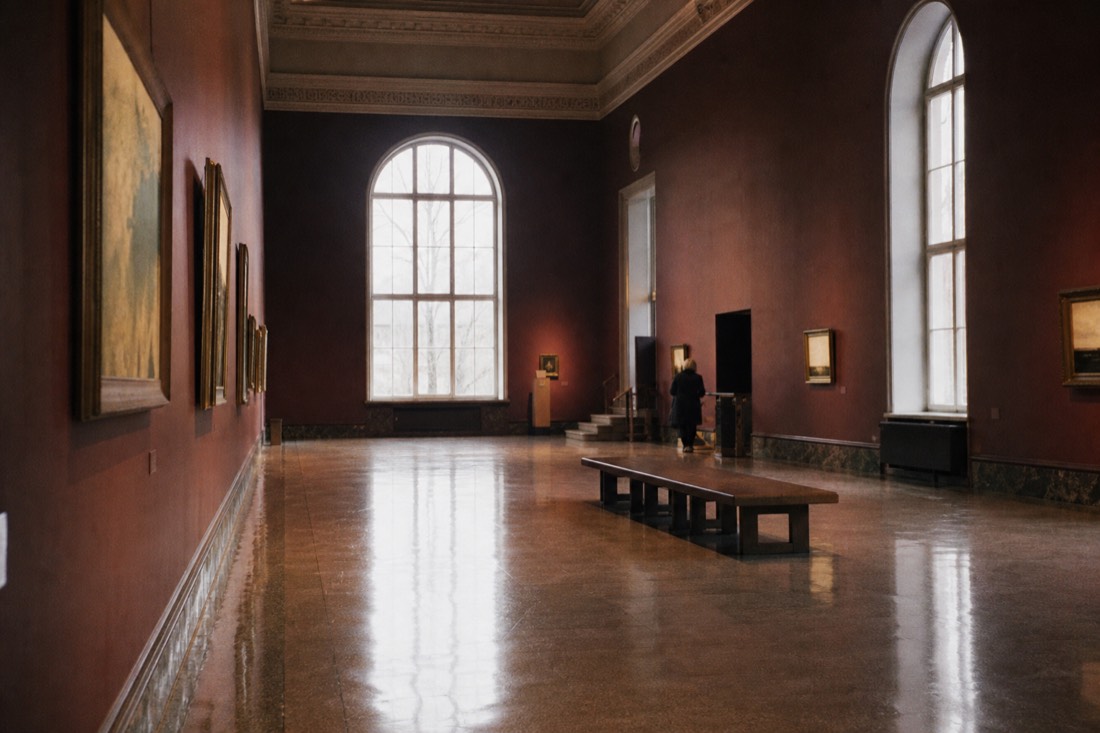
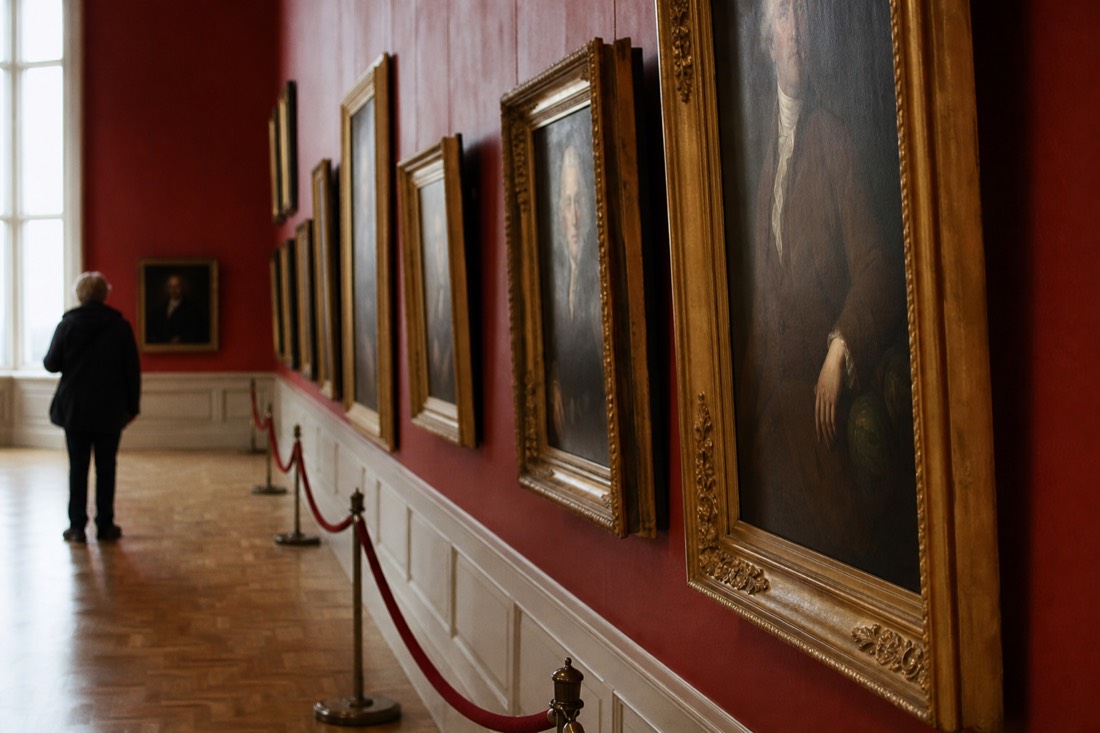
Cross the building and the mood changes to paint and bronze. The French wing holds Rodin figures cast in his lifetime, a complete set of Degas bronzes including the famous Little Dancer with her real tulle skirt, and a deep bench of Impressionist and Post-Impressionist painting: a large Gauguin group, works by Monet and Manet, Van Gogh and Cezanne. The Danish Golden Age rooms round it out with the clear northern light of Eckersberg and his pupils. You can walk from a Roman emperor to a Paris ballet dancer in about ninety seconds, which is part of what makes the place feel unusual.
The Glyptotek also runs a lively programme of temporary shows, often built around its own strengths in ancient and French art, and these are usually covered by the general ticket. It is worth asking at the desk what is on when you arrive, since a special exhibition can change how you want to spend your time and sometimes brings in loans you will not see anywhere else in the city.
Then there is the building itself. Vilhelm Dahlerup's 1897 facade and Hack Kampmann's 1906 antiquities wing are worth looking up at, but the Winter Garden is the room people remember. Under the dome, the palms, the pool and Nielsen's Water Mother turn a museum into somewhere you sit rather than rush through, and the cafe tucked among the greenery is one of the nicer places in the city to stop for coffee and cake.
How do Glyptotek tickets work, and which one should you buy?
There is one general admission ticket and it covers the whole museum. A standard adult ticket is 150 DKK at the door or 135 DKK booked online, and anyone under 18 goes free. The Copenhagen Card includes entry at no extra cost. You do not choose between collections, so the only real decision is your date and whether you want the late Thursday evening.
Booking online saves a little and lets you walk past the desk, which helps on wet afternoons and during school holidays when the entrance hall fills up. Thursdays run late, to 21:00, and that evening slot is the calmest way to see the French rooms and the winter garden after the day crowds thin out. If your dates are set, it is worth taking a moment to check availability using the booking panel above, since the popular slots do sell through in peak weeks.
Under-18s enter free and do not need a paid ticket. If you are pairing the Glyptotek with two or three other paid sights over a couple of days, the Copenhagen Card can work out cheaper than separate entries and also covers the Metro, buses and regional trains across the region. The prices below are the current 2026 figures; you can confirm the live opening details and any special-exhibition surcharge on the official Glyptotek site before you travel.
Ticket
Price (2026)
Notes
Adult, booked online
135 DKK
Covers the whole museum
Adult, at the door
150 DKK
Same access, subject to availability
Under 18
Free
No ticket purchase needed
Copenhagen Card holder
Included
Free entry, plus regional transport
How long do you need at the Glyptotek?
Most people spend about ninety minutes to two and a half hours here. Ninety minutes covers the highlights of both wings at a steady pace; give it closer to two and a half hours if you want to read the antiquities labels, sit with the Degas bronzes, and take coffee under the palms without watching the clock. It is a rich museum, but a walkable one, not an all-day marathon.
A good route runs from the antiquities on the ground floor up through the French and Danish painting galleries, then back down to the Winter Garden to finish. Doing the ancient rooms first, while your attention is fresh, suits the sheer number of portrait busts, and it leaves the bright French rooms and the green calm of the palm house as the reward at the end. During the 2026 antiquities rearrangement you may find that section quicker to see than usual, which frees up time for the painting wing.
The winter garden is not a detour to skip. Families let children circle the pool while adults finish a room, couples use the cafe as a mid-visit pause, and the light through the dome changes the whole feel of the place depending on the weather outside. Budget fifteen or twenty minutes for it even if you are moving fast.
Know before you go: hours, closed days and getting there
The Glyptotek sits at Dantes Plads 7, directly behind Tivoli and only a few minutes on foot from Copenhagen Central station and the town-hall square. It opens Tuesday to Sunday from 10:00 to 17:00, stays open until 21:00 on Thursdays, and closes on Mondays like most of the city's art museums. Under-18s enter free, and the Copenhagen Card covers both entry and transport.
Getting there is easy from anywhere central. Copenhagen Central station and Radhuspladsen Metro are both a short, flat walk away, so almost any city hotel connects within minutes, and the airport Metro line reaches the centre without a change. Several bus routes stop close by on H.C. Andersens Boulevard. If you are already spending the day around Tivoli, the museum is quite literally around the corner.
A few practical points. The building is historic but has lifts and step-free routes to the main floors, and large bags go in the cloakroom. Photography without flash is fine in most rooms. Remember the Monday closure and the 2026 antiquities rearrangement when you plan, and check the current hours on the official site around public holidays. The at-a-glance table below covers the essentials.
At a glance
Detail
Address
Dantes Plads 7, behind Tivoli, central Copenhagen
Nearest station
Copenhagen Central and Radhuspladsen Metro, few minutes' walk
Opening hours
Tue to Sun 10:00 to 17:00; Thu to 21:00
Closed day
Mondays
Under 18
Free entry
Copenhagen Card
Entry and transport included
What can you pair with the Glyptotek nearby?
The Glyptotek fits naturally into an art-and-history day in the centre. The closest matches by subject are Designmuseum Danmark for applied art and the National Museum of Denmark for the deeper past, both a short hop away. For a bigger day out with modern art and the sea, the Louisiana museum up the coast makes the ideal follow-on.
If you have caught the design bug from the Danish Golden Age rooms, Designmuseum Danmark on Bredgade carries the story forward into chairs, ceramics and the Danish Modern movement. For history rather than art, the National Museum of Denmark is a ten-minute walk across the canal and runs from the Vikings to the present. Both sit on the Copenhagen Card alongside the Glyptotek, which makes a two-museum morning simple to price.
With more time, treat the Glyptotek as your city-centre art fix and save a full day for the Louisiana museum at Humlebaek, a modern-art collection where the galleries open onto a sculpture park above the Oresund. The regional train and the entry are both covered by the card. You can see what the pass includes on the Copenhagen Card site, and there is background on the collection and its founder on Wikipedia.
Questions people ask
How much does a Glyptotek ticket cost in 2026?
A standard adult ticket is 150 DKK at the door or 135 DKK booked online, and it covers the whole museum. Under-18s enter free. Copenhagen Card holders get in at no extra cost, with regional transport included.
Is the Glyptotek open on Mondays?
No. Like most of Copenhagen's art museums, the Glyptotek is closed on Mondays. It opens Tuesday to Sunday from 10:00 to 17:00, with a late evening until 21:00 on Thursdays. Check the official site around public holidays, when hours can change.
Does the Glyptotek really have Rodin and Degas?
Yes. The French wing holds the largest group of Rodin sculpture outside France and a complete set of Degas bronzes, including the well-known Little Dancer. They sit alongside Impressionist and Post-Impressionist paintings and the Danish Golden Age rooms.
Are any rooms closed at the Glyptotek in 2026?
The museum is rearranging part of its antiquities display through the end of September 2026, so some Greek and Roman rooms may be closed or partly emptied. The French and Danish painting galleries and the winter garden stay open the whole time.
Is the Glyptotek included in the Copenhagen Card?
Yes. Entry to the Glyptotek is included in the Copenhagen Card, along with unlimited public transport across the region, so the Metro and buses that reach Dantes Plads are covered as well.
How long should I spend at the Glyptotek?
Plan roughly ninety minutes to two and a half hours. Ninety minutes covers the highlights of both wings; two and a half suits anyone who reads every label and lingers over coffee under the palms in the winter garden.
How do I get to the Glyptotek?
The museum is at Dantes Plads 7, directly behind Tivoli. It is a few minutes on foot from Copenhagen Central station and the Radhuspladsen Metro, and several buses stop nearby on H.C. Andersens Boulevard. The Copenhagen Card covers all of this transport.
Is the Glyptotek worth visiting?
For most art and history lovers, yes. Few museums pack ancient sculpture, a serious French collection with Rodin and Degas, and a palm-filled winter garden into one building this walkable. The Thursday late opening and the free cafe make it an easy pick even on a full day.
Refshaleoen (former shipyard, east harbour) · Warehouse-scale installation art
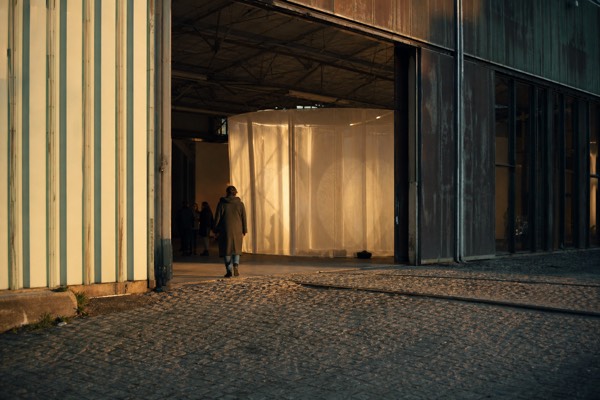
A non-profit art center in a former welding hall on Refshaleoen, built for the kind of huge, walk-into installation and light works that ordinary galleries cannot hold. Pairs well with a street-food stop at nearby Reffen.
Humlebaek (day trip, ~35 min by train) · Modern art, sculpture park and the sea
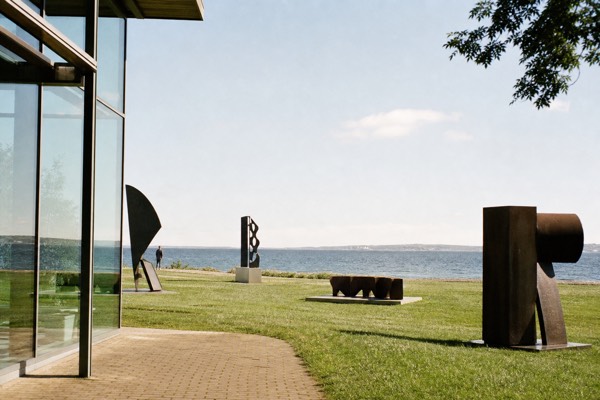
The reason many people take a train out of Copenhagen: a modern-art museum on the Oresund coast at Humlebaek where the galleries open onto a sculpture park and views across to Sweden. Calder, Giacometti and rotating shows, all a short walk from the station.
Central Copenhagen, Bredgade · The home of Danish design
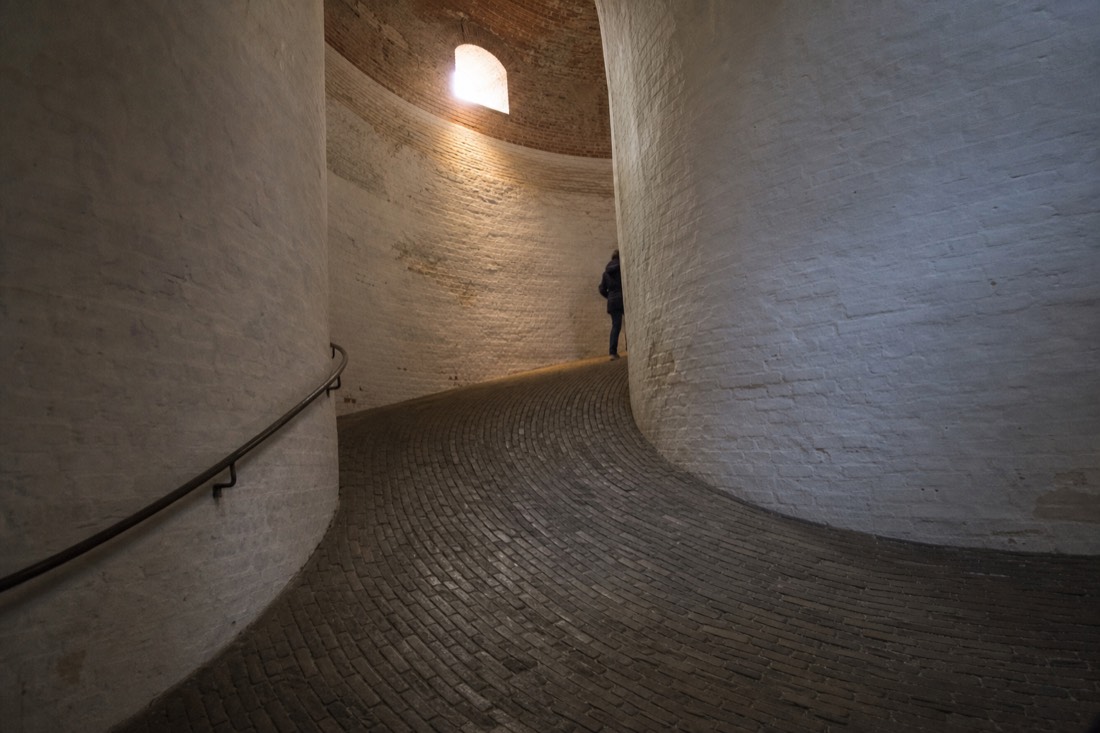
The national design museum in an 18th-century former hospital on Bredgade, telling the story of Danish and international design through the famous chair corridor, ceramics, fashion and the Danish Modern movement.