Opens the official listing with live dates and prices. Book there; nothing is charged on this site.
Area
Central Copenhagen, Bredgade
Theme
Art museums
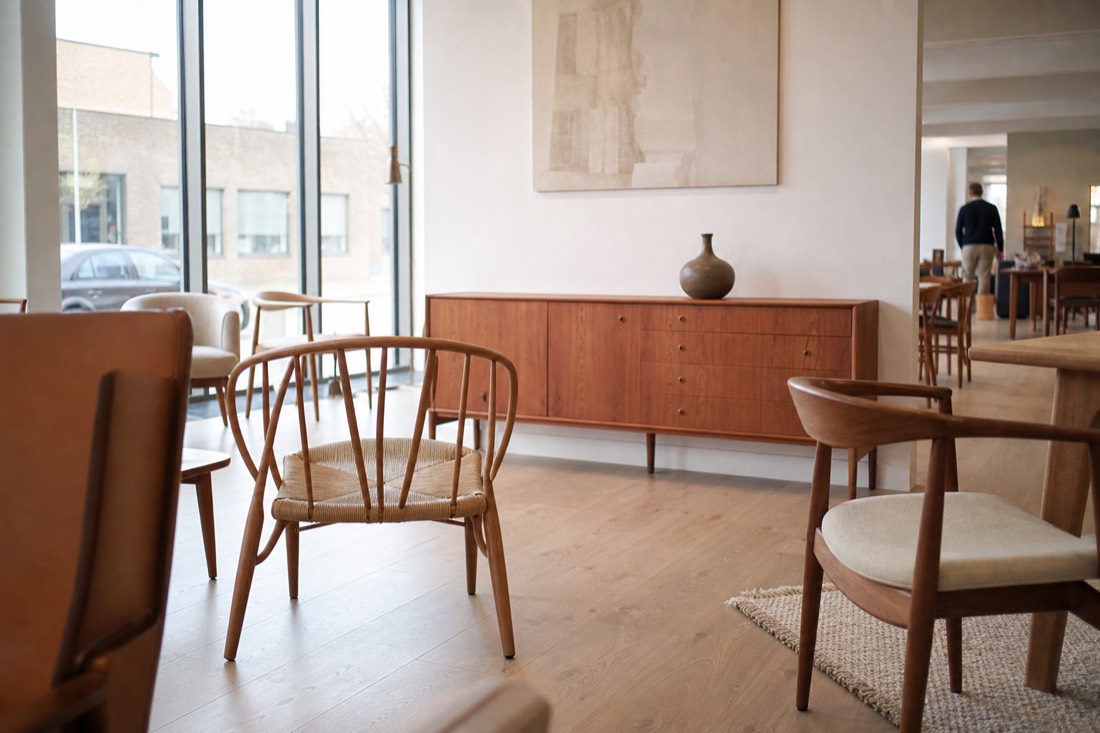
There is a long, quiet corridor here where the walls hold nothing but chairs, dozens of them, mounted in a row like a family portrait of the twentieth century. Wegner's Wishbone, Arne Jacobsen's Egg and Swan, Kaare Klint's precise wooden frames: the shapes you have seen in a hundred hotel lobbies, lined up where they were designed. Designmuseum Danmark fills an 18th-century former hospital on Bredgade with the story of how a small country ended up shaping the way the world sits, eats and lights a room.
What will you see at Designmuseum Danmark?
The museum runs from historic decorative arts through to the icons of Danish Modern design. The signature stop is the chair corridor, a gallery lined with classic 20th-century seats, but you also get the Danish Modern movement in full, ceramics and porcelain, fashion and textiles, posters, and the handsome hospital building and courtyard garden around it all.
The chairs are the reason many people come, and they earn it. The corridor sets out the outline of an entire design culture in one room: Hans Wegner's Wishbone and Round chairs, Arne Jacobsen's moulded Ant and the sculpted Egg and Swan, Kaare Klint's careful joinery, and the tapered Poul Henningsen lamps that spread light without glare. Seeing them together, rather than one at a time in a shop window, makes the through-line obvious, which is the point of hanging them this way.
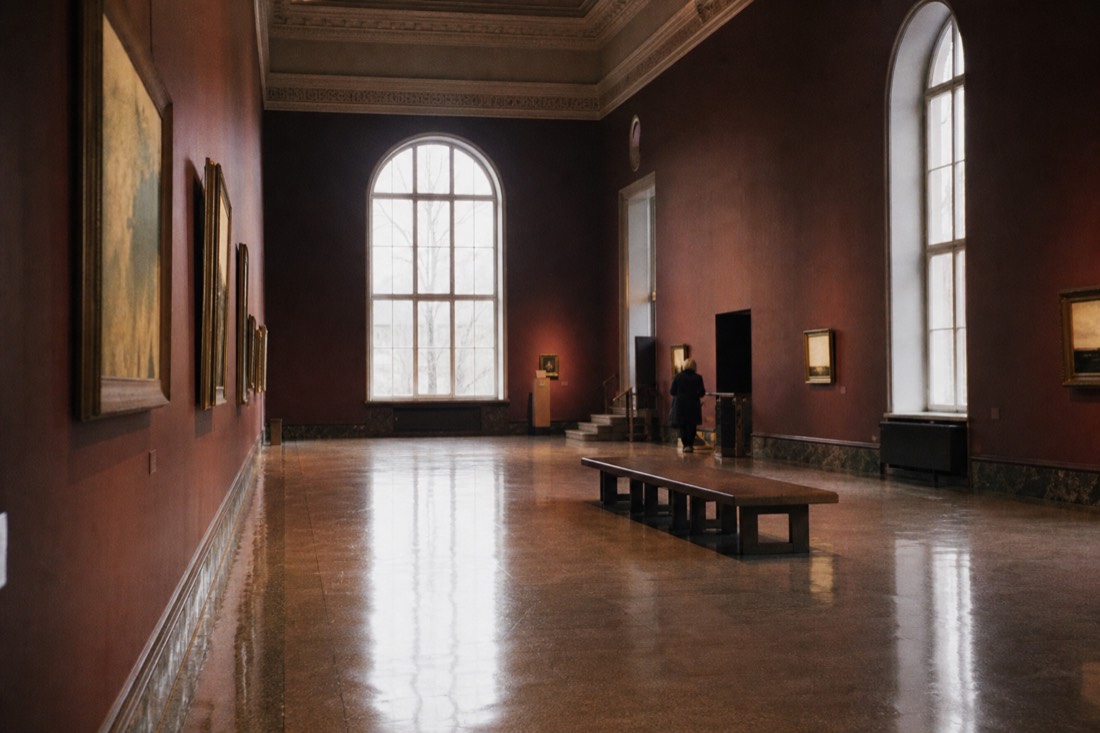
Beyond the corridor, the Danish Modern galleries explain how that look came about: the marriage of cabinetmakers and architects, the emphasis on wood, function and the human body, and the mid-century export boom that carried it abroad. Older rooms hold European and Asian decorative arts, Royal Copenhagen porcelain and rococo furniture, while the fashion and textile galleries and a rotating programme of temporary shows keep the newer half of the museum changing through the year.
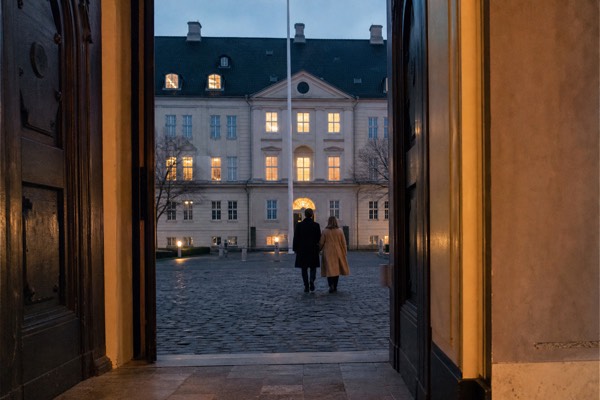
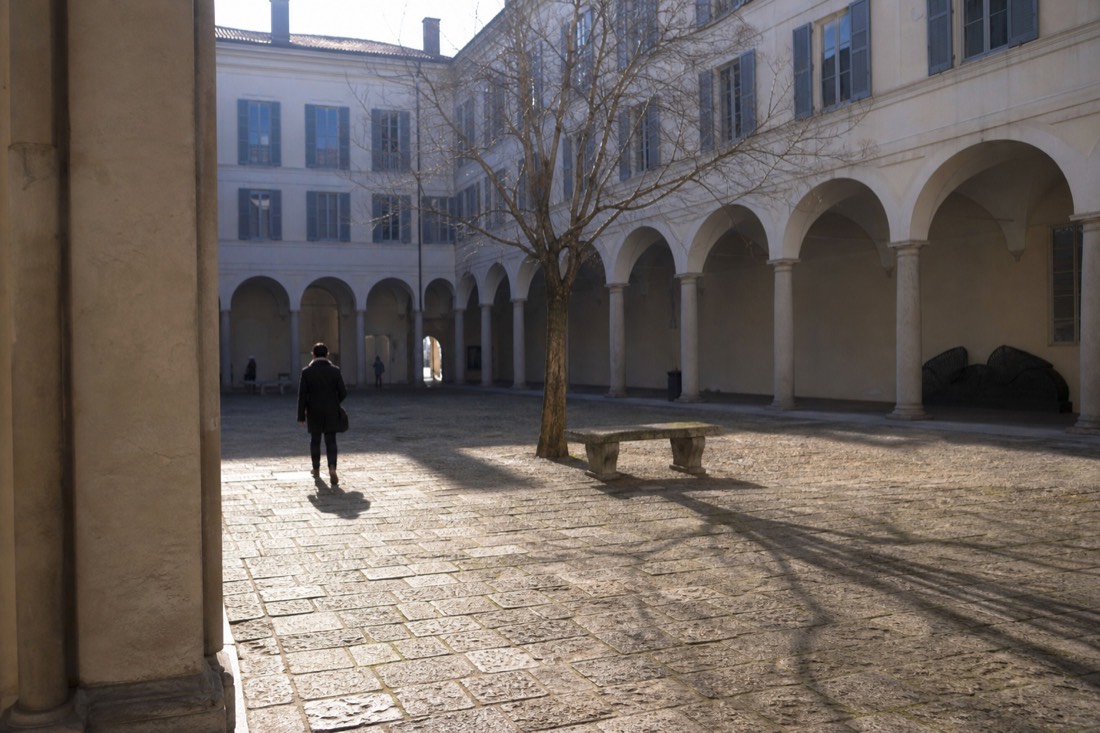
The setting is part of the visit. The building was Frederiks Hospital in the 1700s, and its long wings wrap a green rectangular courtyard that visitors are free to use. In good weather the garden becomes a place to sit between galleries, and the cafe spills out into it. It is one of the calmer museum stops in the city, more considered than crowded.
The collection has a long history of its own. The museum opened in this building in 1926, after years in the city centre, and for decades carried the name of a museum of applied art before it became Designmuseum Danmark. A recent renovation reworked the galleries, so the displays feel current even though the institution is close to a century old in its Bredgade home.
Two extras are worth knowing about. The museum shop is one of the better places in Copenhagen to buy genuine Danish design objects rather than fridge magnets, and a specialist design and crafts library sits within the building for anyone who wants to read further. Neither needs a ticket to reach, so you can browse the shop even on a Monday walk past.
How do Designmuseum tickets work, and which one should you buy?
There is a single general admission ticket that covers the permanent galleries and the temporary shows. A standard adult ticket is around 140 DKK, and anyone under 18 goes free. The Copenhagen Card includes entry at no extra cost. There are no separate collection tickets, so your only real choice is the date and time of your visit.
Booking online lets you pick a slot and walk past the desk, which is worth doing on rainy days and in summer when the museum is busier. If you know your dates, take a moment to check availability using the booking panel above, especially for weekend afternoons. Under-18s enter free and do not need a paid ticket, though it helps to have them in the same booking for a group.
If you are seeing several paid sights over a couple of days, the Copenhagen Card can undercut buying entries one by one, and it also covers the Metro, buses and regional trains. The figure below is the current 2026 price; special exhibitions are usually included in general admission, but you can confirm the live details and any changes on the official Designmuseum Danmark site before you go.
Ticket
Price (2026)
Notes
Adult
140 DKK
Permanent galleries and temporary shows
Under 18
Free
No ticket purchase needed
Copenhagen Card holder
Included
Free entry, plus regional transport
How long do you need at Designmuseum Danmark?
Most visitors spend one to two hours here. An hour is enough for the chair corridor, the Danish Modern rooms and a look at the current temporary show; closer to two hours suits anyone who reads the design histories, works through the ceramics and fashion galleries, or takes a break in the courtyard. It is a mid-sized museum, easy to fit into a half-day.
A natural route starts with the chairs and Danish Modern galleries, since that is what most people came for, then loops back through the older decorative arts and the temporary exhibitions on the way out. Design lovers can slow right down over the details, the joints, the lamp fittings, the porcelain glazes, while a general visitor can take the highlights in an easy hour without feeling rushed.
The courtyard garden is worth building in. On a dry day it turns a one-hour gallery stop into a relaxed pause with a coffee, and it gives families a spot to let children move around between rooms. Because the museum sits on Bredgade near the harbour, it also slots neatly before or after a walk down to the royal quarter.
The mix of famous objects and a walkable size makes it friendlier to a mixed group than a giant art museum. Design fans slow down over the joinery and the lamp fittings, while a companion with a lighter interest can enjoy the recognisable icons and the courtyard without flagging, and the cafe and garden give everyone a natural break in the middle. That is why it often works as a shared stop rather than a solo pilgrimage.
Know before you go: hours, closed days and getting there
Designmuseum Danmark is at Bredgade 68 in the royal quarter, a short walk from Kongens Nytorv and the Marble Church. It opens daily from 10:00 to 18:00, with a late Thursday until 20:00. It is usually closed on Mondays, but it opens every day of the week during the summer, from 6 July to 31 August 2026. Under-18s enter free and the Copenhagen Card covers entry and transport.
The nearest Metro stops are Kongens Nytorv and Marmorkirken, both a few minutes on foot, and the airport line reaches the city centre without a change. Several buses run along or near Bredgade. If you are already walking the Amalienborg and harbour area, the museum is right on that route.
Two timing points matter most. First, the Monday closure applies for most of the year, so check the calendar unless you are visiting in the 6 July to 31 August window when it opens daily. Second, hours can shift around public holidays, so confirm on the official site if your date is unusual. The building has step-free access to the main galleries and a cloakroom for large bags. The table below sums up the essentials.
At a glance
Detail
Address
Bredgade 68, royal quarter, central Copenhagen
Nearest station
Kongens Nytorv and Marmorkirken Metro, few minutes' walk
Opening hours
Daily 10:00 to 18:00; Thu to 20:00
Closed day
Mondays, except open daily 6 Jul to 31 Aug 2026
Under 18
Free entry
Copenhagen Card
Entry and transport included
What can you pair with Designmuseum nearby?
The museum sits in the royal quarter, so the closest pairing is Amalienborg, the monarch's home a few minutes down Bredgade. For more art, the Glyptotek across the centre matches it well, and a modern-art day at the Louisiana museum up the coast makes a natural bigger outing. All three sit on the Copenhagen Card.
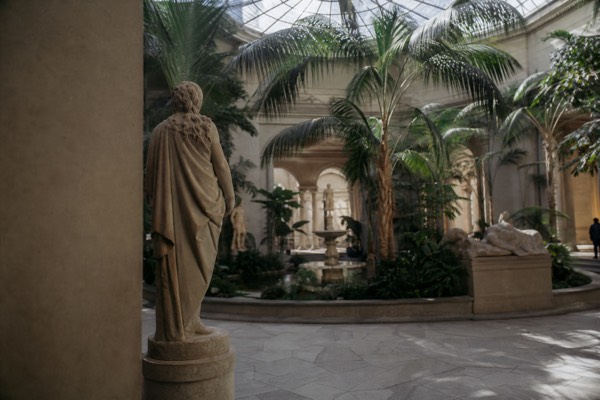
The easiest add-on is Amalienborg, where the royal family lives around an octagonal square and the guard changes at noon; it is a five-minute walk and a complete change of subject. For another art fix, the Ny Carlsberg Glyptotek pairs ancient sculpture with Rodin, Degas and a palm winter garden, a short trip across the centre. Both are covered by the card alongside the Designmuseum.
If design has you in the mood for a full day out, save time for the Louisiana museum at Humlebaek, where architecture, modern art and a coastal sculpture park come together above the Oresund; the card covers the train and the entry. You can check exactly what the pass includes on the Copenhagen Card site, and there is background on the museum and its collection on Wikipedia.
Questions people ask
How much does a Designmuseum Danmark ticket cost in 2026?
A standard adult ticket is around 140 DKK and covers the permanent galleries and the temporary shows. Under-18s enter free. Copenhagen Card holders get in at no extra cost, with regional transport included.
Is Designmuseum Danmark open on Mondays?
For most of the year it is closed on Mondays. The exception is the summer, when it opens every day of the week from 6 July to 31 August 2026. Outside that window, plan around the Monday closure and check the calendar for public holidays.
What is the chair corridor at Designmuseum Danmark?
It is a long gallery lined with classic 20th-century chairs, including Wegner's Wishbone, Arne Jacobsen's Egg, Swan and Ant, and Kaare Klint's designs. Seeing the icons of Danish Modern seating in one row is the museum's most photographed moment.
Is Designmuseum Danmark included in the Copenhagen Card?
Yes. Entry is included in the Copenhagen Card, along with unlimited public transport across the region, so the Metro and buses that reach Bredgade are covered too.
How long should I spend at Designmuseum Danmark?
Plan one to two hours. An hour covers the chair corridor, the Danish Modern rooms and the current temporary show; two hours suits anyone who reads the design histories or lingers over the ceramics, fashion and courtyard garden.
How do I get to Designmuseum Danmark?
The museum is at Bredgade 68 in the royal quarter. The nearest Metro stops are Kongens Nytorv and Marmorkirken, both a few minutes on foot, and several buses run nearby. The Copenhagen Card covers all of this transport.
Is Designmuseum Danmark worth visiting?
For anyone interested in design, furniture or architecture, yes. The chair corridor alone is a landmark, and the wider Danish Modern galleries explain how a small country shaped global design. The quiet former-hospital setting and courtyard garden make it a relaxed visit.
Refshaleoen (former shipyard, east harbour) · Warehouse-scale installation art
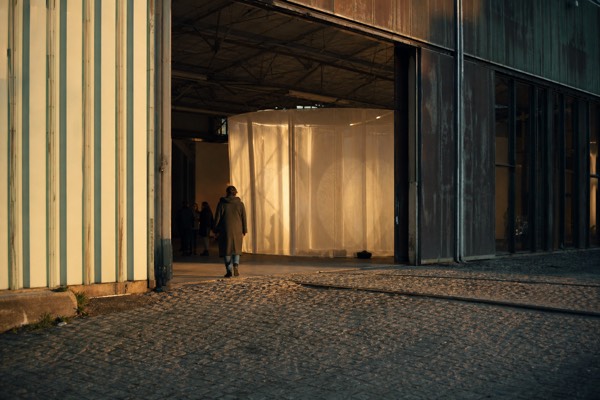
A non-profit art center in a former welding hall on Refshaleoen, built for the kind of huge, walk-into installation and light works that ordinary galleries cannot hold. Pairs well with a street-food stop at nearby Reffen.
Humlebaek (day trip, ~35 min by train) · Modern art, sculpture park and the sea
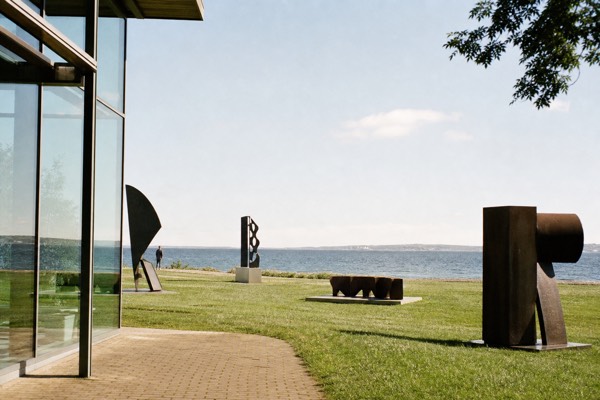
The reason many people take a train out of Copenhagen: a modern-art museum on the Oresund coast at Humlebaek where the galleries open onto a sculpture park and views across to Sweden. Calder, Giacometti and rotating shows, all a short walk from the station.
Central Copenhagen, behind Tivoli · Antiquities under a palm-filled winter garden
The brewer Carl Jacobsen's collection behind Tivoli: ancient Egyptian, Greek and Roman sculpture, a strong run of French and Danish art including Rodin and Degas, all around a domed winter garden of palms. One of the loveliest interiors in the city.