Is the National Museum of Denmark Worth Visiting?
An honest verdict on the National Museum of Denmark, now a paid ticket: the Viking hall, the Sun Chariot, what it costs in 2026, and who should skip it.
 By Anders Nielsen, Copenhagen Museums Specialist & Cultural Guide
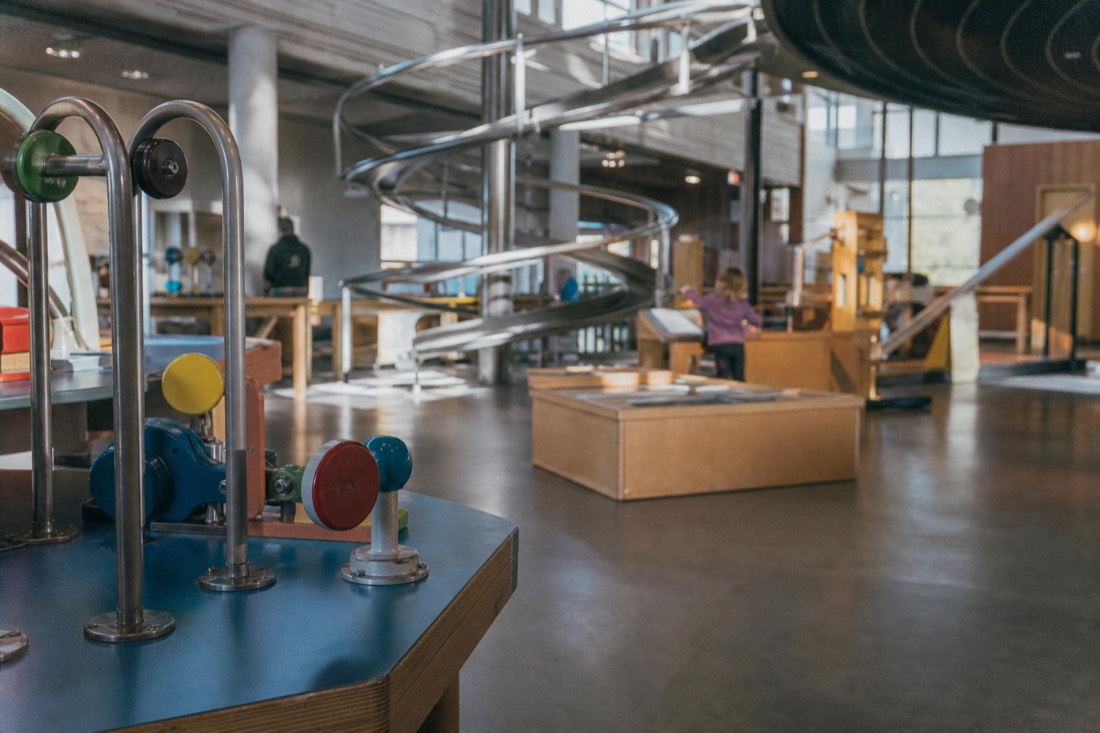
The first object that stops most people at the National Museum is smaller than you expect. The Sun Chariot, a gilded bronze horse pulling a sun disc on spoked wheels, is barely 60 centimetres long and roughly 3,400 years old, and it sits in a quiet case as if it were ordinary. It is not. That single Bronze Age piece is a fair test of whether this museum is your kind of place.
Is the National Museum of Denmark worth visiting?
Yes. The National Museum is the best single museum in Copenhagen for understanding Denmark, and the Viking hall and the Sun Chariot alone justify the ticket. It now charges adults 150 DKK, or 135 DKK online, with under-18s free, and the Copenhagen Card covers it. Skip it only if ancient history leaves you cold.
The one change worth flagging up front is that this is no longer a free museum, which trips up returning visitors and outdated guides. Paid or not, it remains the country's largest cultural-history collection, and for most first-timers it is the most rewarding indoor half-day in the city. Here is what you are actually paying for, and who genuinely will not enjoy it.
What will you actually see there?
A run through Danish history from the Stone Age to now, anchored by the Sun Chariot, a dense Viking hall of weapons and silver hoards, the preserved Egtved Girl from a Bronze Age oak coffin, and strong ethnographic and Near Eastern collections. There is also a hands-on Children's Museum, which makes it one of the better family stops in the centre.
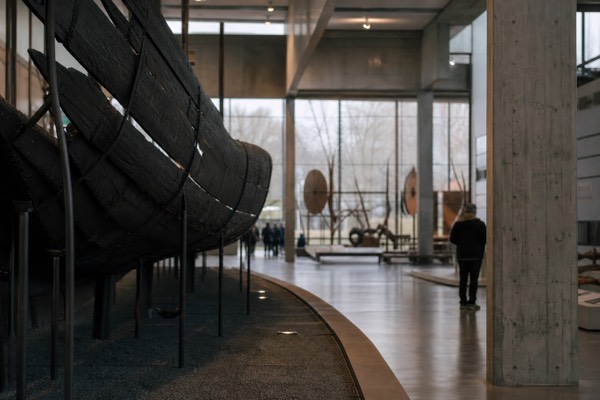
The Viking galleries are the heart of it for most visitors. Rather than the horned-helmet cliché, you get real rune stones, longship fittings, buried silver and the everyday objects of a trading people. The prehistory floor leading up to it, with the Sun Chariot and the astonishingly intact Egtved Girl, gives the Vikings their context instead of dropping them in cold.
Upstairs the museum widens out. Ethnographic collections carry Inuit, Asian and other material gathered across Denmark's reach, and the Near Eastern and antiquities rooms surprise people who came only for Vikings. The Children's Museum, where kids can climb into a longship or dress in period clothes, keeps younger visitors moving. You can confirm what is currently open on the official National Museum site, since galleries rotate.
Two smaller things reward a slower look. The Danish prehistory rooms hold a run of astonishing gold work, torcs and lur horns, that most visitors stride past on their way to the Vikings. And the ethnographic floor, gathered in an age when Denmark's reach ran from Greenland to the tropics, raises real questions about how these objects arrived, which the museum does not dodge. Neither is a headline, but both stay with you afterward.
How much does it cost now that it's no longer free?
Adult entry is 150 DKK at the door, or 135 DKK booked online, and under-18s go free. A National Museum ticket stays valid for a full year, so you can return. The Copenhagen Card includes entry at no extra cost, which tilts the maths if you are already carrying one for other attractions.
The move from free to paid is the single fact to absorb before you go, because a lot of travel writing still calls this a free museum. That stopped being true, and older guides have not caught up. The saving grace is the year-long validity, unusual and genuinely useful: buy once, and a rainy afternoon later in your trip costs nothing extra. Booking online trims the price and lets you walk past the desk.
If you are weighing a Copenhagen Card, the National Museum is one of the included attractions, and background on the Copenhagen Card site shows the wider list. Here is the quick money-and-time picture.
| Detail | 2026 |
|---|---|
| Adult entry | 150 DKK door, 135 DKK online |
| Under-18 | Free |
| Ticket validity | One year from purchase |
| Copenhagen Card | Included |
| Typical visit | 2 to 3 hours |
How long do you need, and when is it open?
Budget two to three hours for a first visit, or half a day if you take the ethnographic floors slowly with children in tow. The museum opens daily 10:00 to 17:00 from April to October, and closes on Mondays from November to March. It sits by Frederiksholms Kanal, a short walk from the main square and Christiansborg.
Two hours covers the highlights, the Sun Chariot, the Viking hall and a sweep of the prehistory floor. Three lets you add the ethnographic collections and the Near Eastern rooms without rushing. Families with kids should assume longer, because the Children's Museum tends to absorb an extra hour that nobody planned for and nobody regrets.
The seasonal Monday closure matters for tight itineraries. In the warmer half of the year the museum runs every day, but from November through March it shuts on Mondays, when several other central museums also close. The location helps recover lost time: you are minutes from Christiansborg across the canal and a short stroll from the Glyptotek, so a Monday clash is easy to reshuffle.
A practical note on flow, because the building is easy to get lost in, in a good way. Follow the numbered gallery route rather than wandering blind: grab a floor plan at the entrance, aim for the prehistory and Viking floors first while your energy is high, and leave the broader collections for the back half of the visit. The café near the main hall is a fair place to reset if the children start to flag.
Who might not enjoy it?
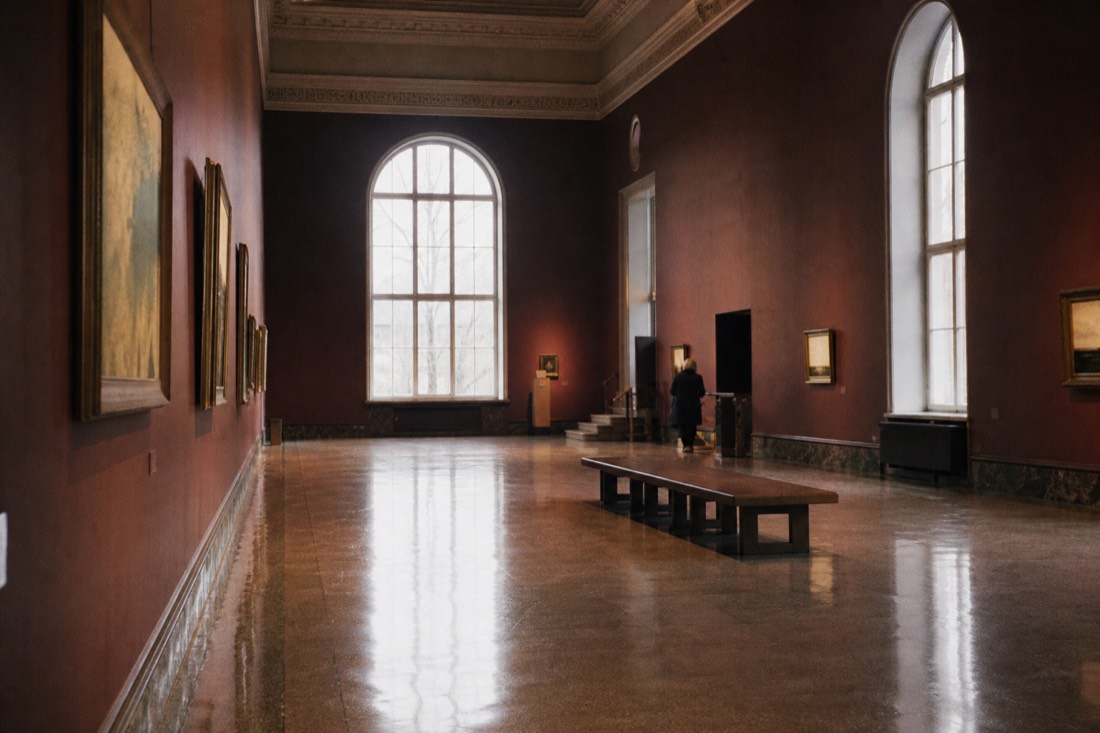
If ancient and cultural history simply is not your thing, this is not the museum to change your mind, and the scale can tire people who prefer one focused gallery. It is also less suited to a rushed 45-minute stop. But for anyone curious about Vikings, prehistory or how a nation tells its own story, it is close to essential.
The honest weak spot is breadth. This is a big, encyclopaedic museum, and if you like a tight, single-theme visit, the sheer range can feel like a lot. Visitors who want painting above all are better served at the Glyptotek or SMK, and those chasing modern art should look to Louisiana instead. There is no shame in it not being your museum.
Even so, reluctant history visitors tend to find one thread that grabs them, whether it is the gold hoards, the everyday Viking objects or the plain strangeness of a 3,000-year-old outfit still on its owner. The museum is good at the small human detail, not only the grand national sweep, and that detail is usually what converts a sceptic partway through.
For most travellers, though, the case is strong, and the split below sets it out plainly.
| Worth it if you | Maybe skip if you |
|---|---|
| Are curious about Vikings or prehistory | Find ancient history genuinely dull |
| Have at least two spare hours | Only have time for one quick stop |
| Are travelling with children | Want painting or modern art above all |
| Like understanding a country in depth | Prefer a single small focused gallery |
What pairs well with a National Museum visit?
Cross the canal to Christiansborg for the royal reception rooms and medieval ruins, or walk five minutes to the Danish War Museum in the old Royal Arsenal, which continues the history thread. Both sit within easy reach, so you can build a strong half-day of Danish history without a single train.
The National Museum anchors a history cluster on and around Slotsholmen. Christiansborg, just over the canal, adds the political and royal layer, with reception rooms still in use and the ruins of earlier castles beneath the current palace. It is the obvious next stop for anyone who wants the crown-and-parliament side of the story after the Viking one.
The walk between them is part of the appeal, over the canal and onto Slotsholmen, the little island where Danish power has sat for 800 years. From one spot you can take in parliament, the old harbour front and the museum's own neighbourhood, which sets the collections you just saw into the city that produced them.
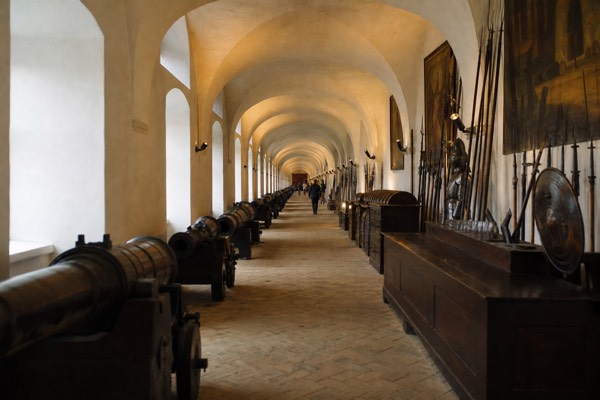
The Danish War Museum, Krigsmuseet, is the quieter pick and a personal favourite. Housed in Christian IV's 1604 Royal Arsenal, its long ground-floor cannon hall and 500 years of military history round out the picture, and it is consistently well reviewed. For the wider theme, my history museums in Copenhagen guide maps the whole cluster.
Build the cluster in whatever order suits your day and your legs. Most people let the National Museum be the anchor and hang the palace and the arsenal off it, which keeps the walking short and the theme coherent.
So, worth visiting? For the Vikings, the Sun Chariot and a real grip on Danish history, yes, comfortably, even now that it charges. The ticket buys a year of access and one of the best indoor days in the city. Only the confirmed no-history traveller should walk past.
Explore Independently Or With A Guide?
General recommendation; adjust it below for your plans.
Have your Copenhagen date in mind? Check Private National Museum Tour before arranging the rest of your itinerary.
Choose the two-hour museum option for a focused visit, including permanent-collection admission. Meet at the Lur Blowers column, City Hall Square. Transfers and Christiansborg require longer options. English is offered.
Compare Options And Adjust My Plan
Choose the experience you want, then check its exact option, language, party ages and dates with the provider. This tool does not confirm availability or individual eligibility.
Viator scheduled dates. Availability and final price are confirmed on Viator.
Choose a date to inspect the published schedule. You can also continue directly to Viator.