Opens the official listing with live dates and prices. Book there; nothing is charged on this site.
Area
Central Copenhagen, King's Garden
Theme
Royal palaces & castles
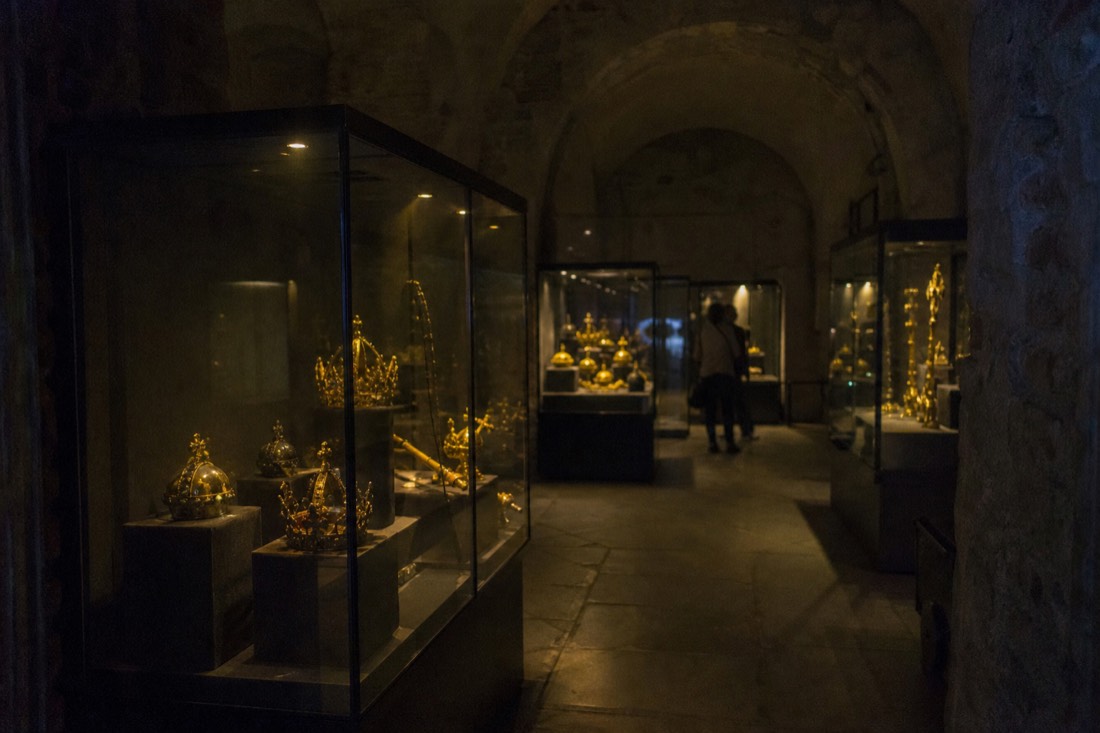
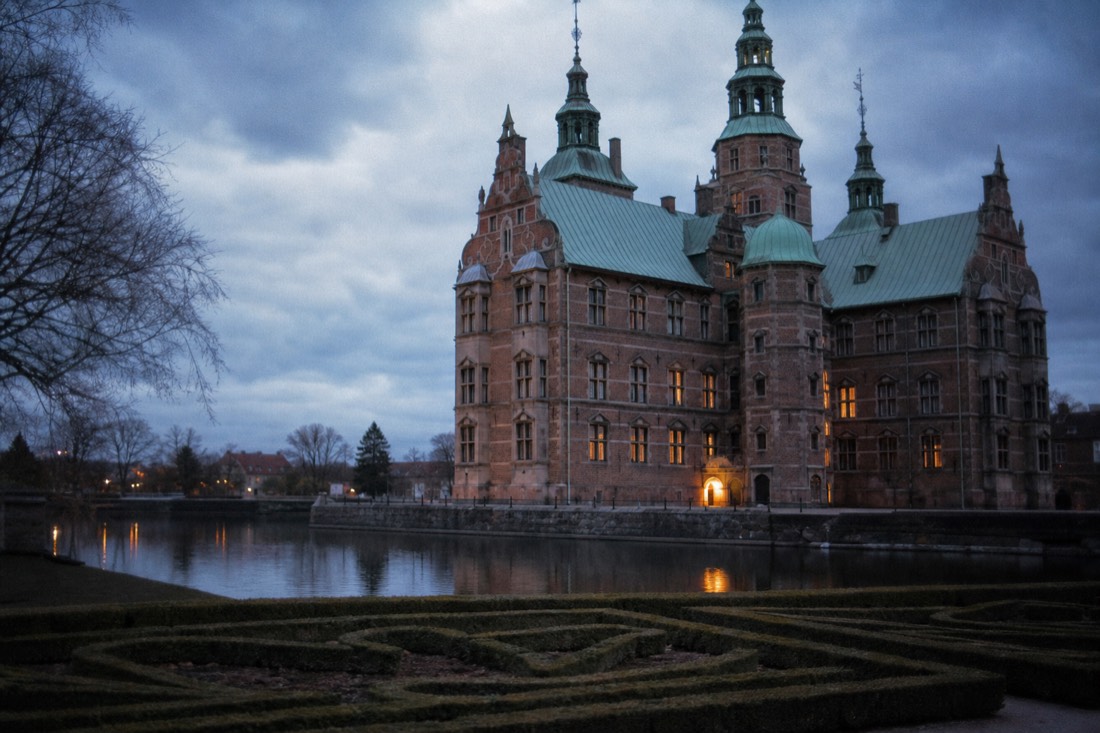
Down a short flight of stairs, below the castle floors, the Danish crown jewels sit behind glass in a low vaulted room: the ruby and diamond crowns, the coronation regalia, the sword of state. Rosenborg packs four centuries of royal life into a compact brick castle in the middle of the King's Garden, and most people are surprised how quickly it pulls them in.
What will you see inside Rosenborg Castle?
Rosenborg holds the Danish crown jewels and coronation regalia in its basement treasury, the coronation thrones and silver lions in the Long Hall upstairs, and the private rooms of Christian IV, the king who built it. It is a small castle, so almost everything on display is a genuine highlight rather than filler.
The treasury is the reason many visitors come. Down in the vaulted basement you stand in front of the regalia of the Danish monarchy: the crown of Christian IV from the 1590s, the heavier absolutist crown of Christian V, the orb, sceptre and sword of state, and the sets of jewels still used by the royal house. The room is dim and quiet by design, and the objects are close enough to read the settings on the stones.
Upstairs, the top-floor Long Hall was built as a ballroom and now shows the coronation thrones. The king's throne is carved from narwhal tusk, once believed to be unicorn horn, and three life-size silver lions stand guard in front of it. Flemish tapestries along the walls record the wars between Denmark and Sweden. It is the grandest room in the building and worth slowing down for.
The lower and middle floors keep the atmosphere of a lived-in royal residence. You pass through Christian IV's writing room and bedchamber, the panelled Winter Room hung with Dutch paintings, a mirror cabinet, and cases of Venetian glass and royal porcelain. One case holds the clothes Christian IV wore at the naval Battle of Colberger Heide in 1644, the day a cannon blast cost him his right eye. Christian IV built the castle between 1606 and 1633 as a summer house, and it still reads as a personal place rather than a museum of nothing.
Look for the smaller details as you go. The rooms hold personal objects rather than grand statements: a lathe the king used himself, drinking glasses engraved with royal monograms, and a set of amber and ivory pieces that show the taste of the period better than any label could. Because the castle stayed a royal residence into the 1700s, the layout still follows how the court actually lived, one connected room leading to the next rather than a modern gallery loop. That is part of why an hour here feels fuller than the floor plan suggests.
How do Rosenborg tickets work, and which one should you buy?
Rosenborg uses timed-entry tickets, so you choose a date and an arrival slot. A standard adult ticket is 140 DKK booked online or 150 DKK at the door, and anyone under 18 goes free. The Copenhagen Card covers entry at no extra cost. There is one ticket type for the castle and treasury together, so the main choice is simply your time slot.
Booking a slot ahead matters most on summer afternoons and in the school holidays, when the treasury can hold a short queue. Reserve a morning slot and you usually walk straight in. If your date is busy it is worth checking availability for the exact time you want before you leave your hotel, using the booking panel above.
The single ticket gives you the whole castle: all the royal floors and the basement treasury with the crown jewels. There is no separate treasury charge and no upsell you need to worry about. Under-18s enter free but still need a ticket in the system for a timed slot, which the ticket page handles.
There is no re-entry, so plan to do the castle in one visit rather than popping out to the garden and back. A guided tour is not required to enjoy it, though the free printed room notes are worth picking up at the entrance, and the treasury cases carry short English labels. If you are travelling with a group, aim for a weekday morning slot: the original staircases are narrow, and a quieter arrival makes the whole route flow better.
If you plan to see several paid sights over a couple of days, the Copenhagen Card can pay for itself, and it includes Rosenborg along with the regional trains and the Metro. The prices below are the current 2026 figures from the Royal Danish Collection, which runs the castle. You can confirm the live slots and any holiday hours on the Royal Danish Collection site before you travel.
Ticket
Price (2026)
Notes
Adult, booked online
140 DKK
Timed entry slot
Adult, at the door
150 DKK
Subject to same-day availability
Under 18
Free
Still needs a timed ticket
Copenhagen Card holder
Included
Free entry, plus transport across the region
How long do you need at Rosenborg Castle?
Most visitors spend about one to two hours at Rosenborg. An unhurried hour covers the royal floors and the treasury; give it closer to two if you like reading every case, sitting with the crown jewels, or pairing the visit with a walk in the surrounding King's Garden. It is a dense castle, not a sprawling one, so it rarely eats a whole day.
A natural route runs bottom to top and then down to the treasury last. Start on the ground floor with Christian IV's private rooms, climb through the Long Hall on the top floor for the thrones and tapestries, then finish in the basement with the regalia so the crown jewels are the last thing you see. The staircases are original and narrow, which slows big groups, so a quieter slot genuinely speeds things up.
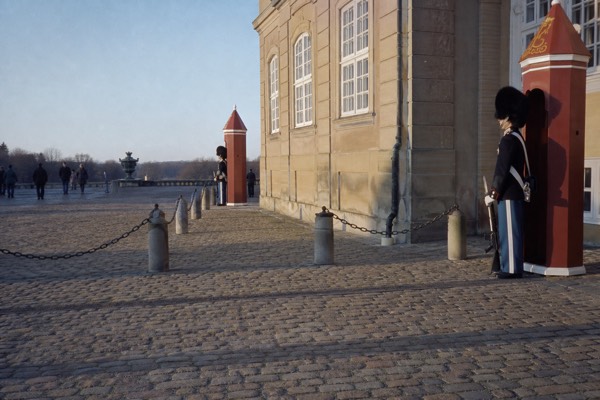
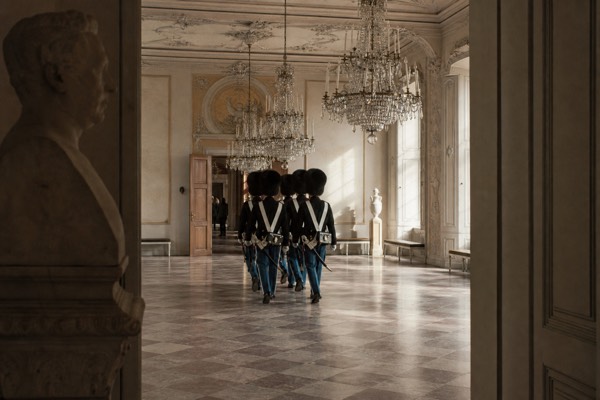
The King's Garden, Kongens Have, wraps the castle on all sides and is free to enter. In good weather it turns a one-hour castle stop into a relaxed half-day: coffee, a bench in Denmark's oldest royal garden, and the changing of the guard passing through on its way between palaces. Families often let children run in the garden before or after the indoor visit, which keeps everyone patient inside.
Know before you go: hours, closed days and getting there
Rosenborg sits at Oster Voldgade 4A in central Copenhagen, a five to ten minute walk from Norreport station. It is generally open daily from 10:00 to 17:00 in season, with longer summer mornings, and closes on Mondays in the winter months. Check the exact date before you go, since hours shift around holidays and the timed-ticket system.
Norreport is the easiest arrival point and is served by the Metro, the S-train and regional trains, so nearly any hotel in the city connects to it in minutes. From the station it is a short, flat walk along the edge of the King's Garden to the castle gate. Several bus routes also stop nearby, and the Copenhagen Card covers all of this public transport as well as the entry.
A few practical notes. The castle is a historic building with narrow original stairs and limited step-free access, so plan ahead if that matters for your group. Large bags go in the cloakroom. Photography without flash is fine in most rooms. The at-a-glance table below sums up the essentials, and the live details sit on the official site.
At a glance
Detail
Address
Oster Voldgade 4A, central Copenhagen
Nearest station
Norreport (Metro, S-train, regional), 5-10 min walk
Typical hours
Daily 10:00-17:00 in season; longer summer mornings
Closed day
Mondays in winter
Under 18
Free entry
Copenhagen Card
Entry and transport included
What can you pair with Rosenborg nearby?
Rosenborg pairs neatly with the city's other royal sights, all within a short walk or one Metro stop. The obvious combinations are Amalienborg, the monarch's working home a few minutes east, and Christiansborg Palace on Slotsholmen. For a change of subject, the National Museum of Denmark rounds out a royal morning with the country's wider history.
Start with the crown jewels here, then walk toward the harbour to Amalienborg, where the guard changes on the square at noon and the museum wing opens the private royal apartments. It is a natural continuation of the same story, the objects at Rosenborg and the living monarchy at Amalienborg, and the walk passes through some of the prettiest streets in the city.
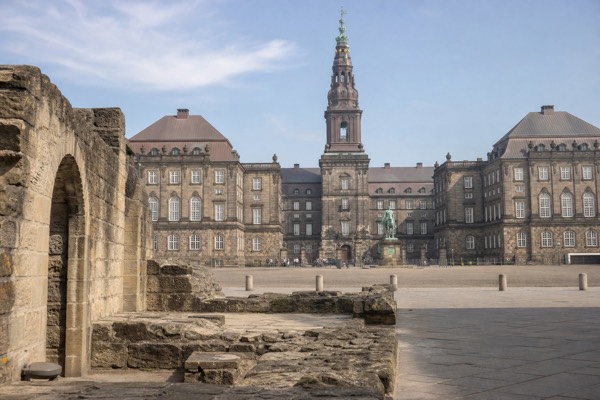
On the other side of the centre, Christiansborg Palace holds the Royal Reception Rooms, the medieval ruins beneath the courtyard and a tower with a free view over the rooftops. If you would rather swap palaces for the deeper history behind them, the National Museum of Denmark runs from the Vikings to the present a short walk away. A Copenhagen Card covers all four, which makes a two-day royal-and-history plan straightforward to price. You can check what the pass includes on the Copenhagen Card site, and there is more background on the castle's history on Wikipedia.
Questions people ask
Are the Danish crown jewels really at Rosenborg?
Yes. The Danish crown regalia and the crown jewels are kept in the treasury in the castle basement, including the crowns of Christian IV and Christian V, the sceptre, orb and sword of state, and the jewel sets still used by the royal house. Your standard ticket includes the treasury.
How much does a Rosenborg Castle ticket cost in 2026?
A standard adult ticket is 140 DKK booked online or 150 DKK at the door. Under-18s enter free but still need a timed ticket. Copenhagen Card holders enter at no extra cost.
Do I need to book Rosenborg tickets in advance?
Rosenborg uses timed-entry slots, so booking ahead guarantees your arrival time and skips the door queue. It matters most on summer afternoons and in the holidays. On quiet mornings you can often buy at the door, subject to availability.
Is Rosenborg included in the Copenhagen Card?
Yes. The Copenhagen Card includes free entry to Rosenborg, along with unlimited public transport across the region, so the Metro, S-train and regional trains that reach the castle are covered too.
How long should I plan for Rosenborg?
Plan roughly one to two hours. An hour covers the royal floors and the treasury at a steady pace; two hours suits anyone who reads every case or lingers with the crown jewels. Add time if you want to relax in the surrounding King's Garden.
Is Rosenborg open on Mondays?
In the winter months Rosenborg is closed on Mondays. In the peak summer season it generally opens daily. Because the timed-ticket calendar and holiday hours change, check the exact date on the official site before you visit.
How do I get to Rosenborg Castle?
The castle is at Oster Voldgade 4A, a five to ten minute walk from Norreport station, which is served by the Metro, S-train and regional trains. Several buses stop nearby, and the Copenhagen Card covers all of this transport.
Is Rosenborg Castle worth visiting?
For most first-time visitors, yes. Few places let you stand this close to a country's crown jewels and coronation thrones inside a genuine 400-year-old royal castle, all in about an hour. The compact size and the free garden around it make it easy to fit into a wider museum day.
Hillerod (day trip, ~40 min by train) · A Renaissance castle on three islets
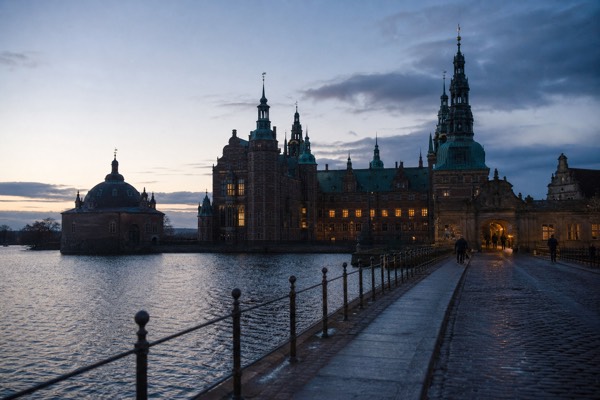
The grandest Renaissance castle in Scandinavia, set on three islets in a lake at Hillerod, now the Museum of National History with 500 years of royal portraits and a baroque garden. A free app audio guide comes with the ticket.
from $20per person; free app audio guide, live price on the listingCheck availability →
Central Copenhagen, Slotsholmen · Royal reception rooms, ruins and the tower
The seat of Danish power on Slotsholmen, holding parliament, the Supreme Court and the Royal Reception Rooms. A single ticket bundle covers the state rooms, the medieval ruins beneath, the royal kitchen and stables.
Helsingor (day trip, ~45 min by train) · Hamlet's castle, a UNESCO site
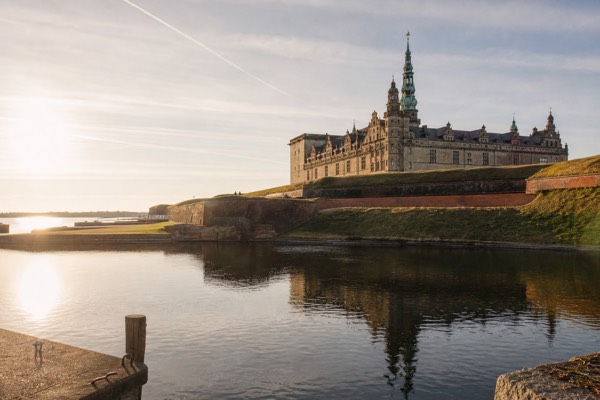
The Renaissance fortress at Helsingor that Shakespeare made Elsinore in Hamlet, guarding the narrowest point of the Oresund. A UNESCO World Heritage site with royal chambers above and the casemates and the statue of Holger the Dane below.