Is Glyptoteket Worth Visiting?
An honest verdict on the Ny Carlsberg Glyptotek: the palm-filled winter garden, antiquities, Rodin and Degas, 2026 prices, and the antique wing rearrangement to know about.
 By Anders Nielsen, Copenhagen Museums Specialist & Cultural Guide
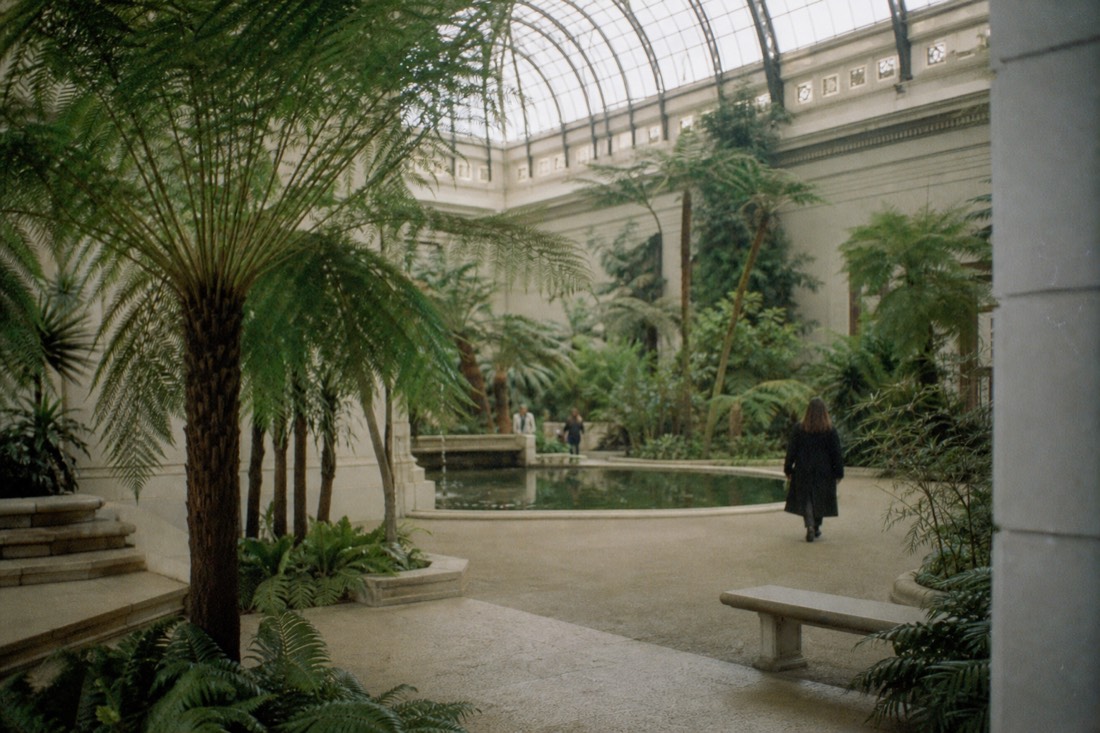
Behind Tivoli, past a plain facade that gives nothing away, the Glyptotek opens onto a domed winter garden full of palms, a fountain and marble figures caught mid-motion. People walk in expecting a sober antiquities museum and stop short in that first hall. It is, quietly, one of the loveliest interiors in Copenhagen, and it sets the tone for whether this place is worth your afternoon.
Is Glyptoteket worth visiting?
Yes. The Ny Carlsberg Glyptotek is one of Copenhagen's most beautiful museum interiors, built around a palm-filled winter garden, and it pairs ancient Egyptian, Greek and Roman sculpture with a strong run of French and Danish painting including Rodin and Degas. Adult entry is 150 DKK, or 135 DKK online, and under-18s go free.
The short answer is an easy yes for anyone who likes art or simply likes a beautiful room. There is one honest caveat about the antique galleries in 2026 that I will get to, because it affects what you can currently see. First, what actually makes this museum special, and why so many people rank it above the bigger names.
What will you see inside?
Two collections under one roof. The brewer Carl Jacobsen's antiquities, Egyptian, Greek, Etruscan and Roman sculpture, fill the older wings, while a light-filled modern wing holds French painting and sculpture: Rodin bronzes, Degas dancers, and works by Gauguin, Monet and Van Gogh, plus a deep Danish Golden Age collection. The winter garden ties it all together.
The founder shaped the whole thing. Carl Jacobsen, son of the Carlsberg brewery's founder, gave his private collection to the public and built a museum to hold it, which is why "Glyptotek" means a collection of sculpture. The antiquities are the historic core, with Roman portrait busts and Egyptian pieces arranged the old-fashioned way, densely and beautifully, rather than in sparse modern cases.
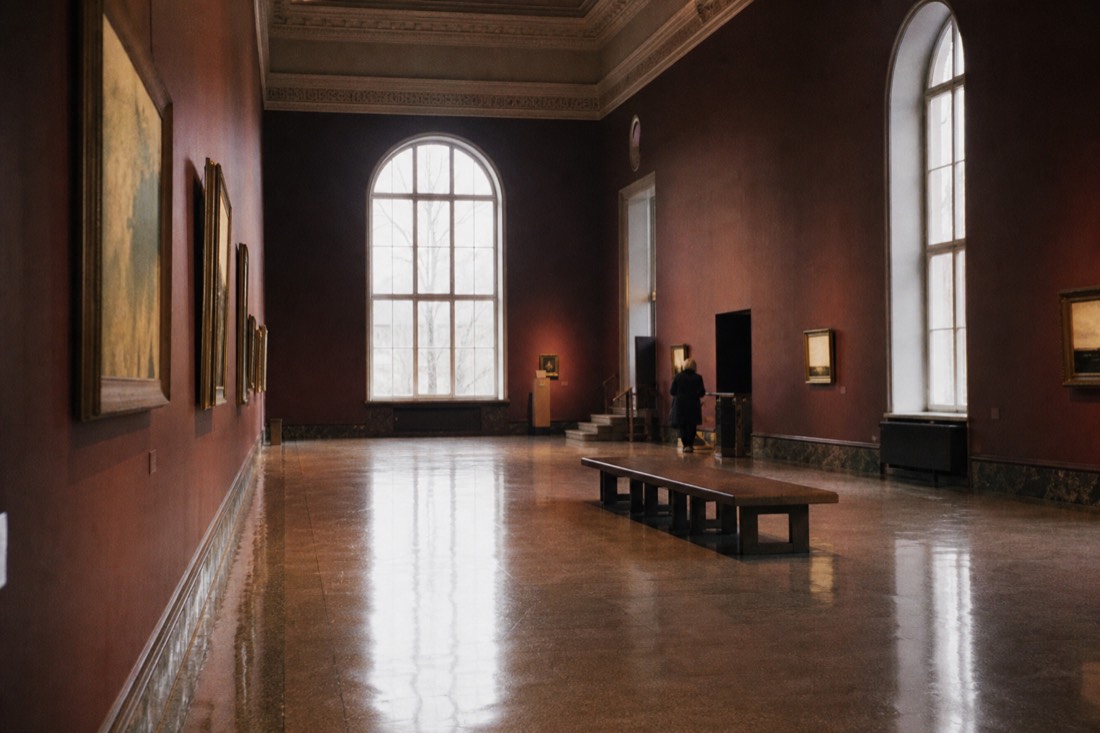
The French wing is the surprise for many visitors. A complete set of Degas bronzes, Rodin including a cast of The Thinker, and a room of Impressionist and Post-Impressionist painting give the museum an art-history weight that its size does not advertise. The Danish Golden Age holdings add the local thread. Background on the collection and Carl Jacobsen sits on the museum's Wikipedia page, and current shows are listed on the official Glyptotek site.
The building itself counts as an exhibit. The older Dahlerup wing and the later Kampmann extension were each designed to hold specific parts of the collection, and moving between them, from the dim hush of the antiquity rooms into the daylight of the French wing, changes how the art reads. Carl Jacobsen wanted visitors to feel welcome rather than lectured at, and that intent still shows in how easy the place is to simply enjoy.
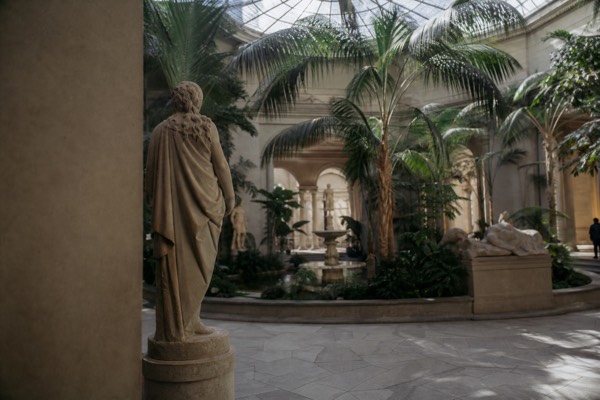
What's the deal with the antique collection right now?
One honest heads-up: the antique, meaning Greek and Roman, collection is being rearranged through 1 October 2026, so some of those rooms are unavailable during the reshuffle. The Egyptian galleries, the French and Danish wings and the winter garden are unaffected. If your main reason to come is the classical sculpture, it is worth checking the current state before you go.
I flag this because the Greek and Roman rooms are a real part of the museum's reputation, and a visitor arriving specifically for them in mid-2026 could be disappointed to find a section closed off. The rearrangement is temporary, and it is exactly the kind of thing museums do to show a collection better, but during the work some galleries are simply not open.
The good news is how much stays open. The Egyptian material, the Rodin and Degas rooms, the Impressionist painting and the Danish Golden Age galleries all remain accessible, and the winter garden, the single most photographed spot in the building, is untouched. For most visitors the affected rooms are a slice of the whole, not a dealbreaker, but if antiquities are your entire reason to visit, confirm the latest on the official site first.
To be fair to the museum, this kind of work usually means the collection comes back better lit and better arranged, so a visit after October 2026 may catch the Greek and Roman rooms at their best. For now, treat the antiquities as a bonus rather than the reason to come, and let the winter garden and the French wing carry the visit. Nobody I have taken there has left disappointed on that basis.
How much does it cost and when is it open?
Adult entry is 150 DKK, or 135 DKK booked online, with under-18s free. The museum opens Tuesday to Sunday 10:00 to 17:00, stays open late until 21:00 on Thursdays, and closes on Mondays. It sits directly behind Tivoli, a couple of minutes from the main square, and it is included on the Copenhagen Card.
The pricing is standard for a major Copenhagen art museum, and booking online saves a little while letting you skip the desk. The Thursday late opening is the insider tip: the winter garden after dark, quieter than the daytime crush, is a different and better experience. Like most of the city's art museums, the Glyptotek closes on Mondays, so plan around that.
If you are already carrying a Copenhagen Card, entry here is covered, which makes the Glyptotek an easy add to a central day. Here is the at-a-glance.
| Detail | 2026 |
|---|---|
| Adult entry | 150 DKK door, 135 DKK online |
| Under-18 | Free |
| Hours | Tue to Sun 10:00 to 17:00, Thu to 21:00 |
| Closed | Mondays |
| Copenhagen Card | Included |
How long do you need, and who should skip it?
Plan for 90 minutes to two and a half hours. That covers the antiquities, the French and Danish wings and unhurried time in the winter garden, ideally with a coffee in its café. Skip it only if sculpture and classical or 19th-century painting hold no interest for you, or if you have already committed the day to Louisiana.
An hour and a half is enough to see the highlights and sit in the winter garden. Give it two and a half if you want to read the rooms properly and take the French wing slowly. The café in the palm court is not an afterthought; a stop there, under the dome, is part of why people leave calling the visit lovely rather than merely good.
There is a rhythm to a good Glyptotek visit. Start in the winter garden to get your bearings, work outward through the sculpture halls, then finish in the French and Danish painting rooms upstairs where the afternoon light is best. Doubling back to the palm court for a coffee at the end is not indulgence, it is the correct way to close out the place.
The visitors who come away flat are usually those with no interest in sculpture or older painting, and that is a fair reason to pass. There is also the matter of overlap: if you are doing Louisiana as a modern-art day trip, the Glyptotek scratches a related itch, so pick one rather than forcing both into a tight trip. My take on whether Louisiana is worth it helps you choose between them.
What else pairs with the Glyptotek?
Everything is close. Tivoli is next door for an evening, the National Museum is a short walk across toward Frederiksholms Kanal for Danish history, and if you want more art, Louisiana up the coast is the natural pairing on a separate day. The Glyptotek's central spot makes it the easiest art museum to slot into a busy itinerary.
Because it sits behind Tivoli and minutes from the main square, the Glyptotek combines with almost anything. A common plan is the Glyptotek in the afternoon, then Tivoli's gardens and lights in the evening, both in the same corner of the city. For a history-and-art day, the National Museum a few minutes away makes an easy pairing without any transport.
This central spot is genuinely rare among the city's best art museums. SMK sits up by the Botanical Garden, and Louisiana is a train ride away on the coast, so both ask something of your schedule. The Glyptotek asks nothing of your transport plan, which makes it the easiest yes when you have a spare couple of hours and no appetite for a commute.
If it is more art you are after, Louisiana on the Oresund coast is the museum most people reach for next, though it wants its own half-day rather than an add-on. For the fuller art shortlist, my art museums in Copenhagen guide lays them out.
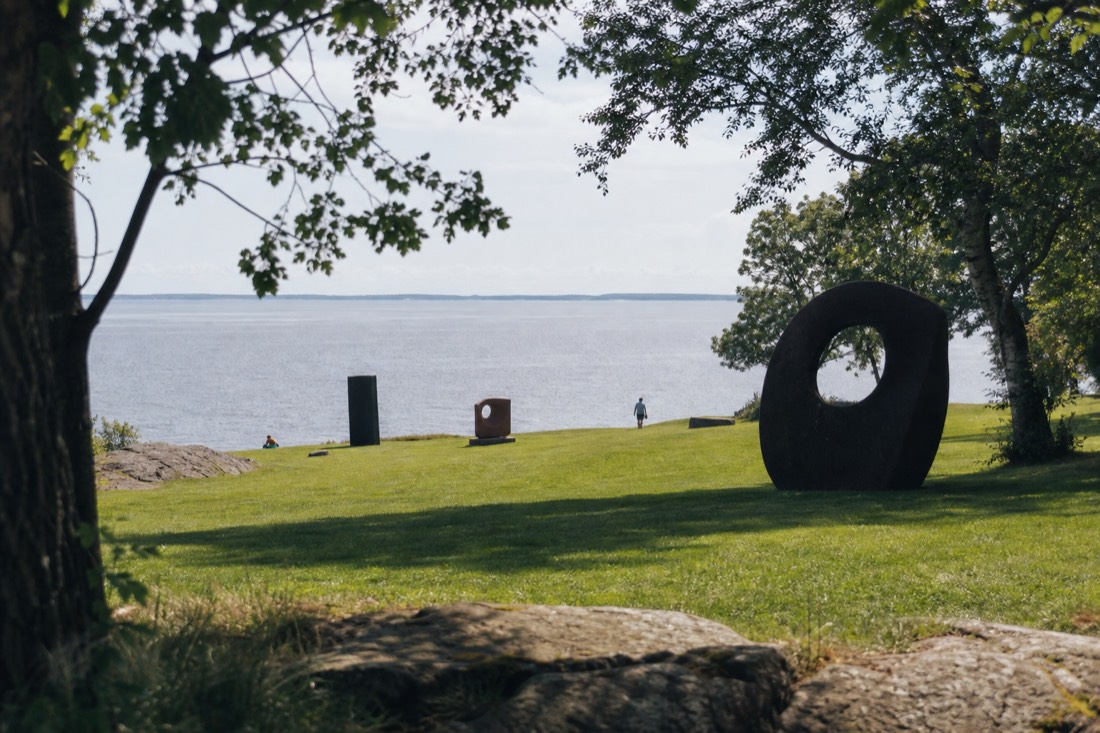
Whichever art museum you add, the Glyptotek holds its own on the day, so treat the rest as the bonus rather than the reason you came. On a tight trip, the one that costs you no transport is usually the one that actually gets seen.
So, worth visiting? Yes, and for many people it quietly becomes the favourite museum of the trip. The winter garden, the Degas and Rodin rooms and the sheer beauty of the place carry it, even with part of the antique wing under wraps until October 2026. For a central afternoon of real art in one of Copenhagen's best interiors, it is hard to beat.
One Museum Or A Wider Art Trip?
General recommendation; adjust it below for your plans.
Have your Copenhagen date in mind? Check Copenhagen Card DISCOVER before arranging the rest of your itinerary.
Digital attraction pass with Capital Region public transport. Activate in the app before use. Tivoli rides cost extra; compare your itinerary total before buying.
Compare Options And Adjust My Plan
Choose the experience you want, then check its exact option, language, party ages and dates with the provider. This tool does not confirm availability or individual eligibility.
Viator scheduled dates. Availability and final price are confirmed on Viator.
Choose a date to inspect the published schedule. You can also continue directly to Viator.